
How to Swiftly Open and Close Positions on WEEX:A Step-by-Step Guide

 Prefer us on Google
WEEX offers a dynamic feature that allows traders to rapidly open and close positions at market price. Whether you’re a seasoned trader or a beginner, this tool helps you respond to market shifts quickly and trade efficiently. This guide outlines the steps to open and close positions seamlessly on WEEX.
What Does Opening and Closing Positions Mean?
Opening or closing a position at market price on WEEX means the system instantly places an order at the most favorable price available. This ensures your order is executed as quickly as possible, aligning with current market conditions.
Steps to Open and Close Positions
Set the Quantity
Begin by determining the quantity, or number of contracts, for your position. This defines how much you want to buy or sell at market price.
Execute Your Order
After setting the quantity, place your order at market price. The system will automatically select the best available price, allowing you to enter or exit the market without delay.
Trailing Mechanism for Unfilled Orders
If your order isn’t fully executed immediately, WEEX employs a trailing mechanism. The system will keep trying to fill the order by adjusting it to a more executable price at regular intervals.
Order Termination After Repeated Attempts
If the order remains unfilled after multiple tries, the system will cancel it. This prevents partially executed positions, keeping your trading process smooth.
Key Information to Understand
Multiple Transaction Records
When opening or closing positions at market price, your transaction history may show multiple entries at varying prices. This occurs if the system fills your order in parts, each at a slightly different price.
Unexecuted Orders
Sometimes, an order may not be fully completed after several attempts. In such cases, the system terminates the transaction to avoid leaving you with an incomplete position.
Liquidation Safeguards
If the reasonable mark price hits your position’s estimated liquidation price, the system prioritizes liquidation. A liquidation bot activates first to manage your position securely and efficiently.
Why Quick Positioning Matters
In fast-moving markets, swiftly opening and closing positions can be transformative. Using WEEX’s market price feature, you can:
Seize Market Opportunities: Act instantly when you identify a trading chance or need to limit losses.
Streamline Execution: Save time by avoiding delays and capitalizing on market moments.
Minimize Slippage: Rapid trades in volatile conditions help secure better prices and reduce slippage.
Conclusion
WEEX’s ability to quickly open and close positions at market price is a vital tool for traders. By following these steps, you can execute trades efficiently and stay responsive to market changes. If an order isn’t fully filled, the trailing mechanism retries it, ensuring you don’t miss out.
Stay ahead with WEEX’s fast and efficient trading capabilities at your fingertips.
For more insights and updates, visit the WEEX platform for the latest features and news!
This content is provided for general informational purposes only and doesn't constitute financial, investment, legal, or tax advice. Any events, rewards, online promotions, or related information mentioned herein should not be considered a recommendation, solicitation, or invitation to purchase, sell, trade, or otherwise deal in any crypto assets. Crypto assets are highly volatile and may result in loss. The availability of WEEX services, products, and related events may vary by region. You are responsible for ensuring that your participation is in accordance with applicable local laws and regulations.
You may also like

Why Is STRK Up Over 25%? Starknet's Layer 1 Idea, the Quantum Roadmap and the Risks Behind the Jump
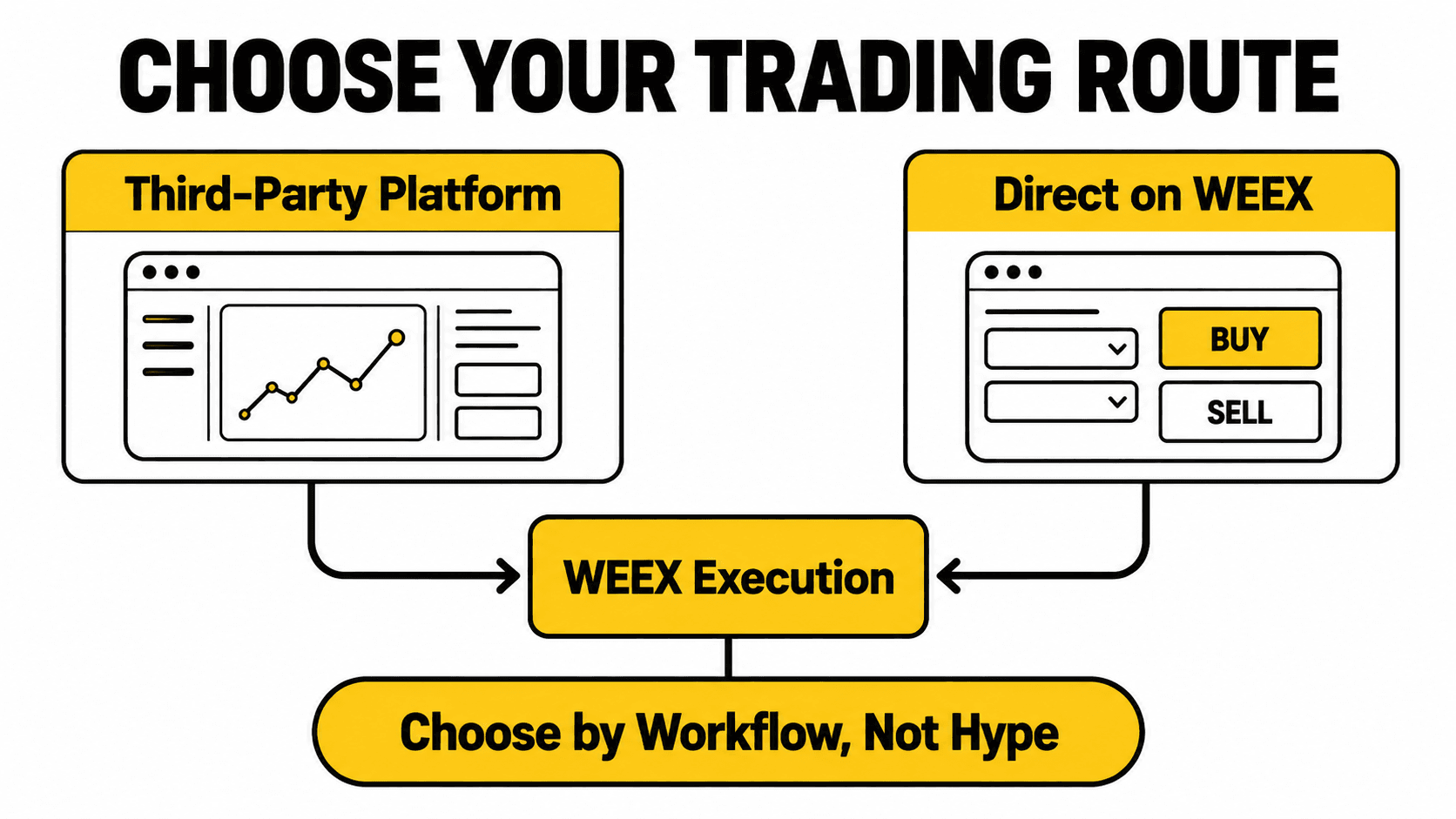
Third-Party Trading Platforms vs Direct WEEX Trading: Fees, Liquidity, Security, and Control
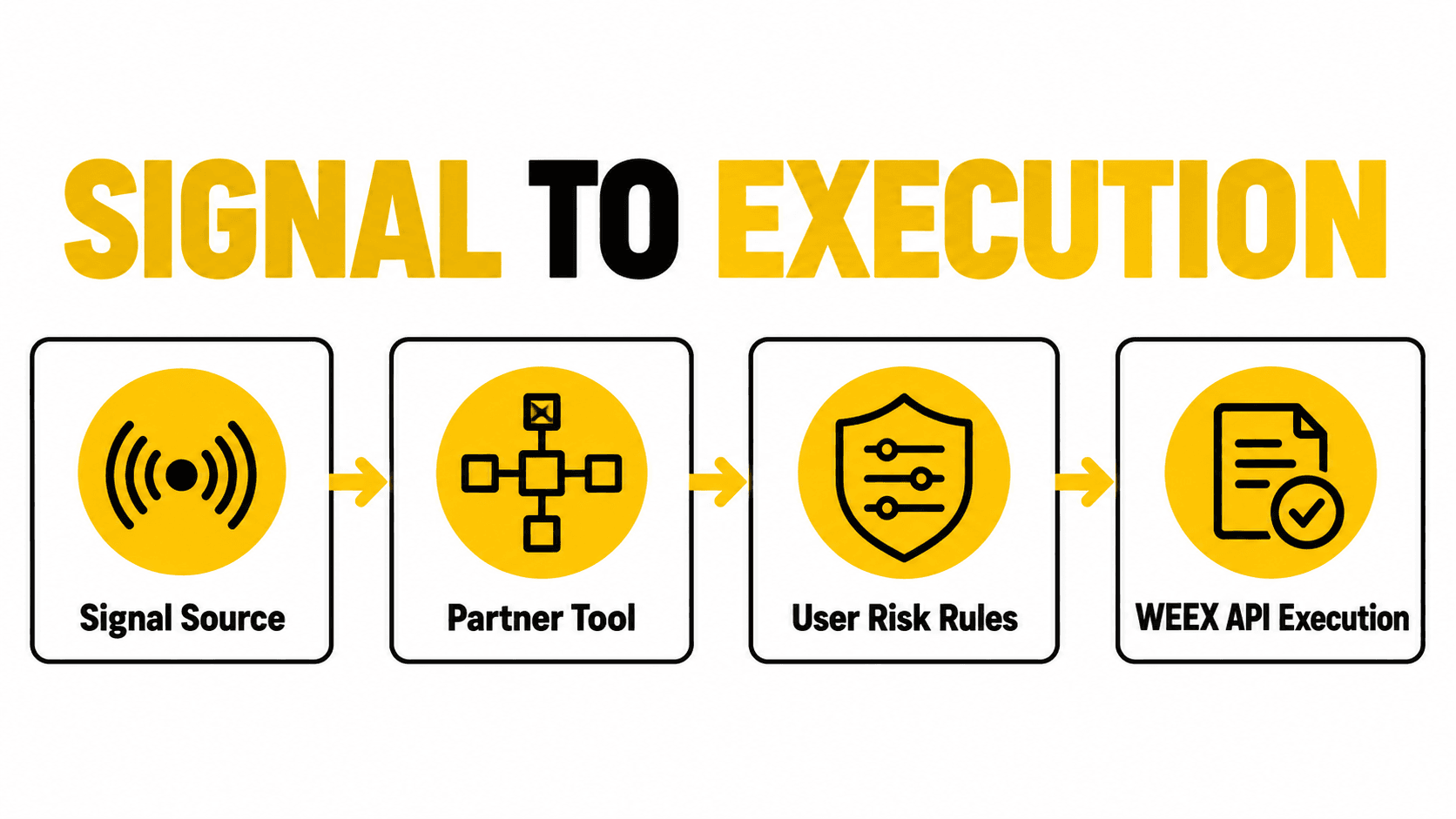
How Copy Trading, Signal, and Telegram Trading Tools Can Build With WEEX Broker

What Is Derive (DRV)? Why the Token Jumped About 25% After Citrini Research's Altcoin Portfolio Report
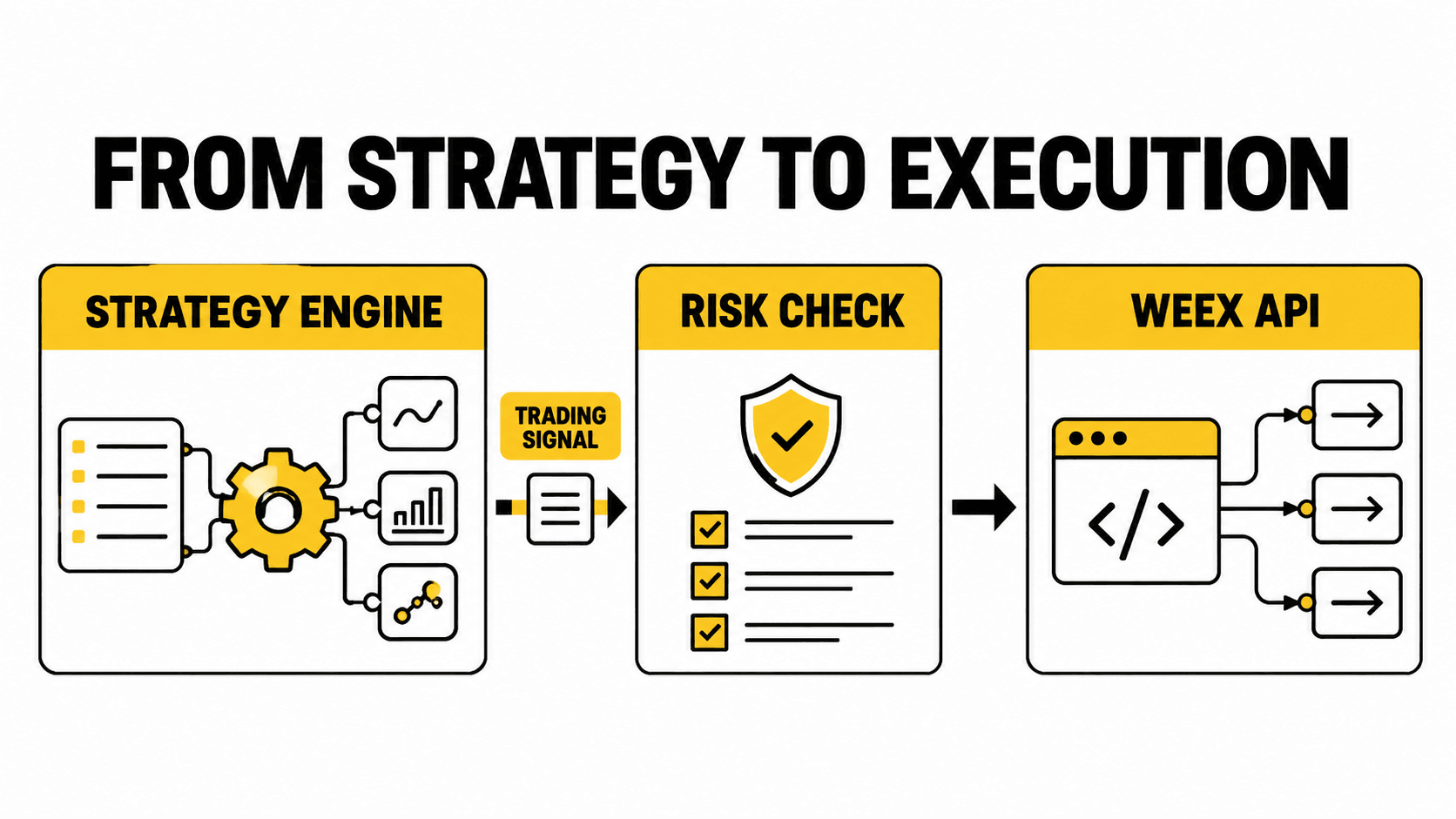
How Quant Trading Platforms and Bots Can Build With WEEX Broker
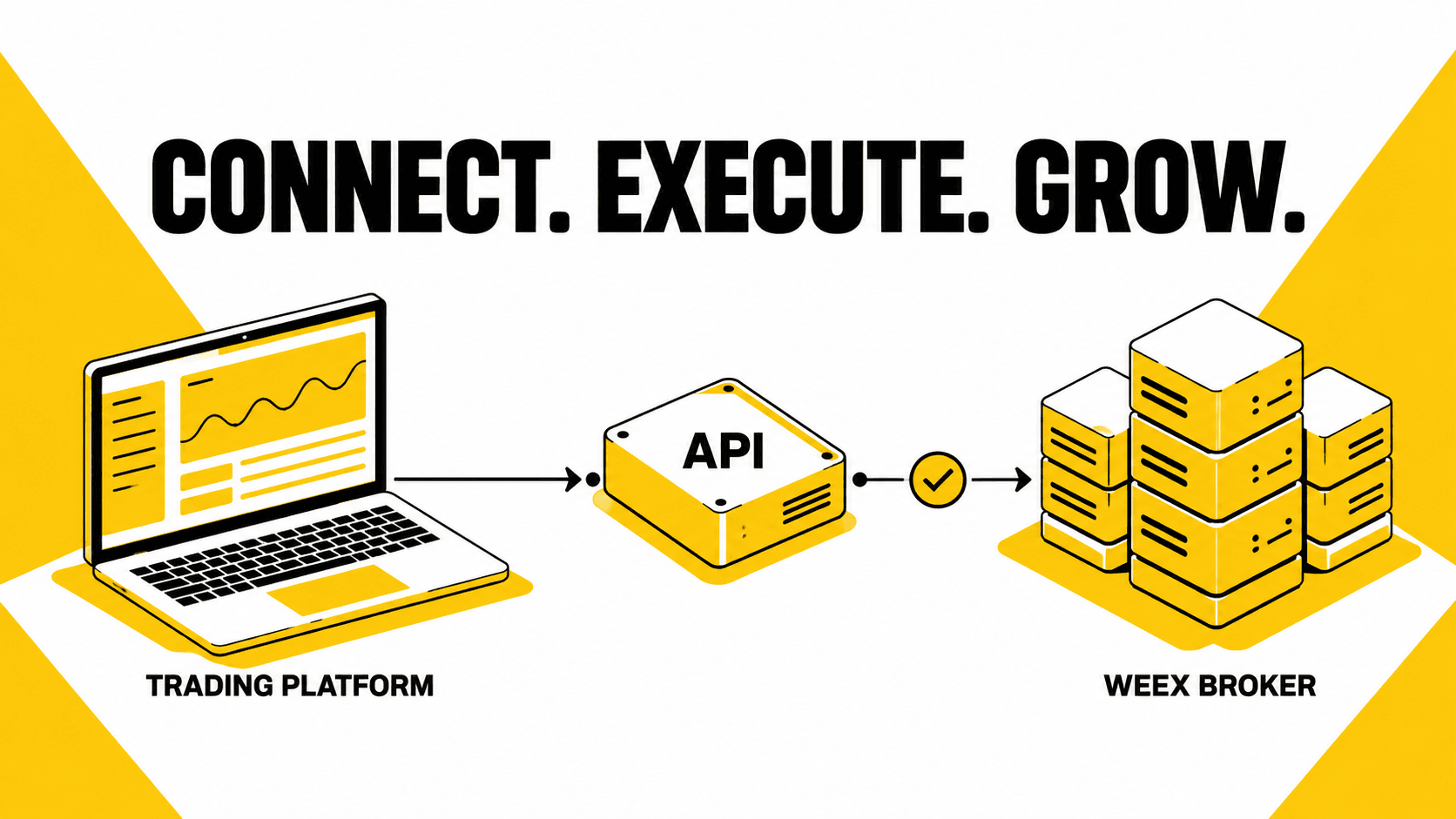
How Trading Platforms and Terminals Can Connect to WEEX Broker

How to Use an APR Boost on WEEX Auto Earn Without Wasting It

How to Buy Presale Crypto: Step by Step Guide for Beginners

Ethereum Glamsterdam Hits 200M Gas on Sepolia: What Changes After the Upgrade?
ENA Token Price Drops After October 5 Unlock: What Happened to Ethena?
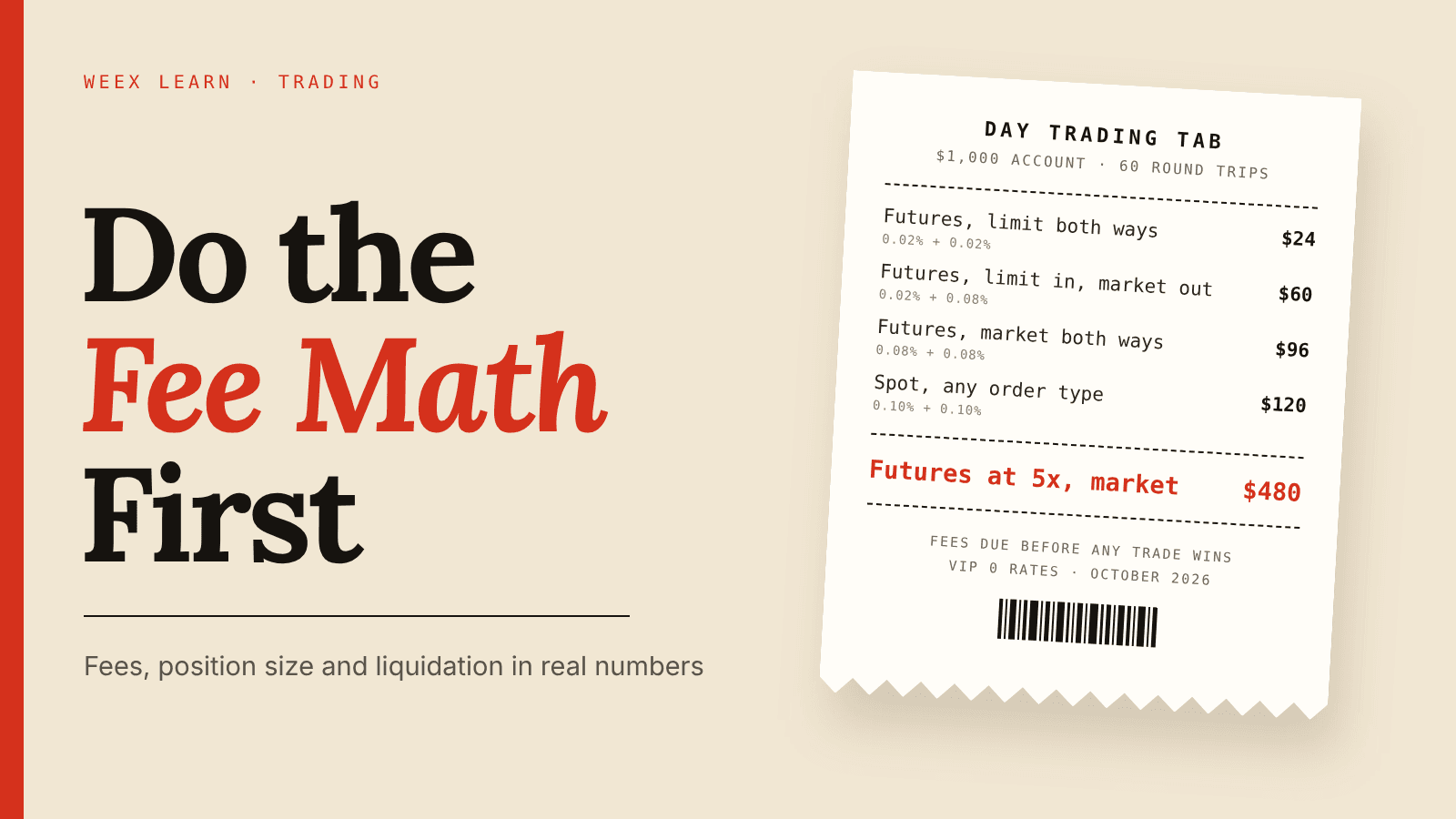
How to Day Trade Crypto for Beginners: Do the Fee Math First
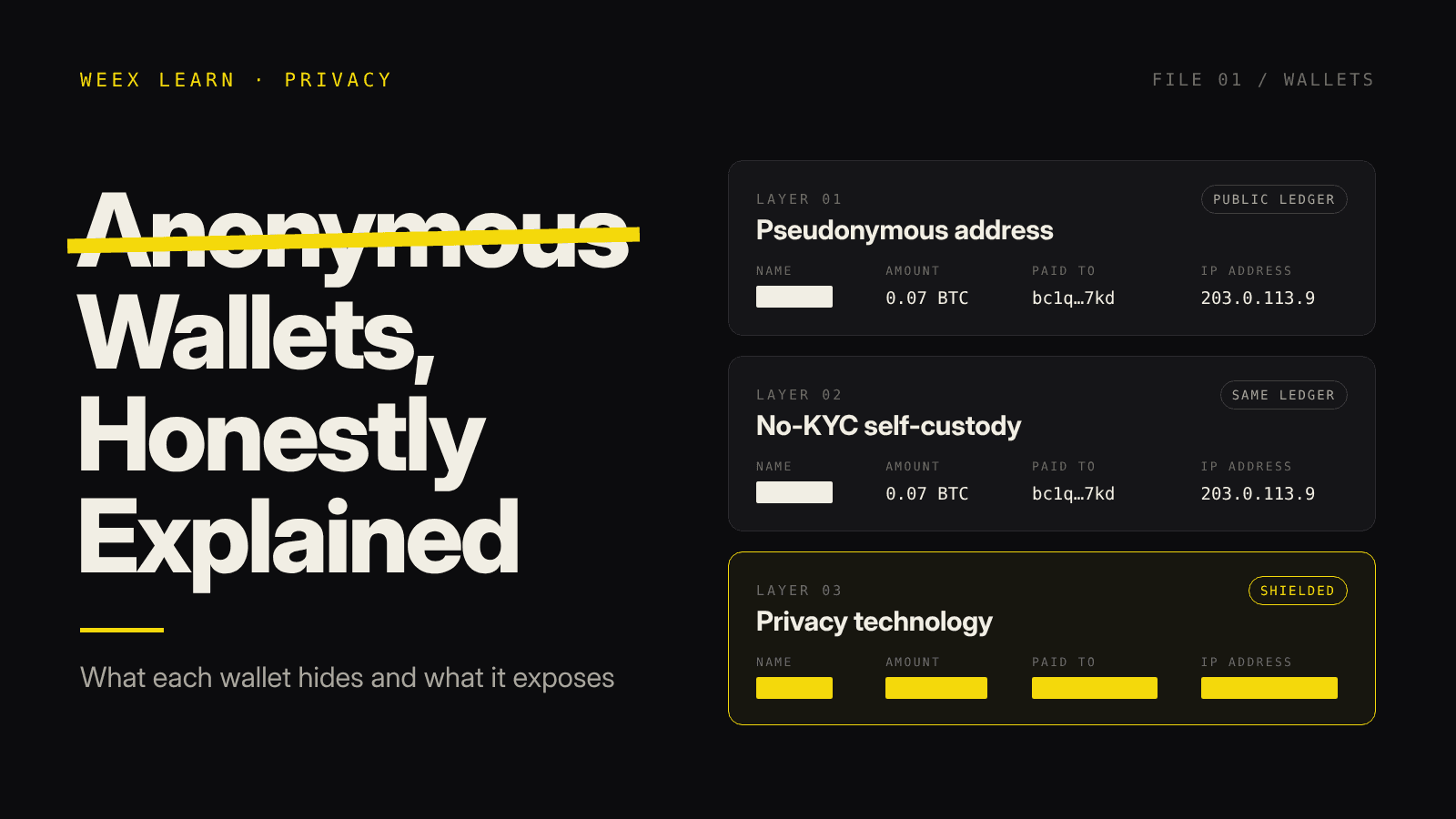
Anonymous Crypto Wallet: What Each One Hides and Where It Fails
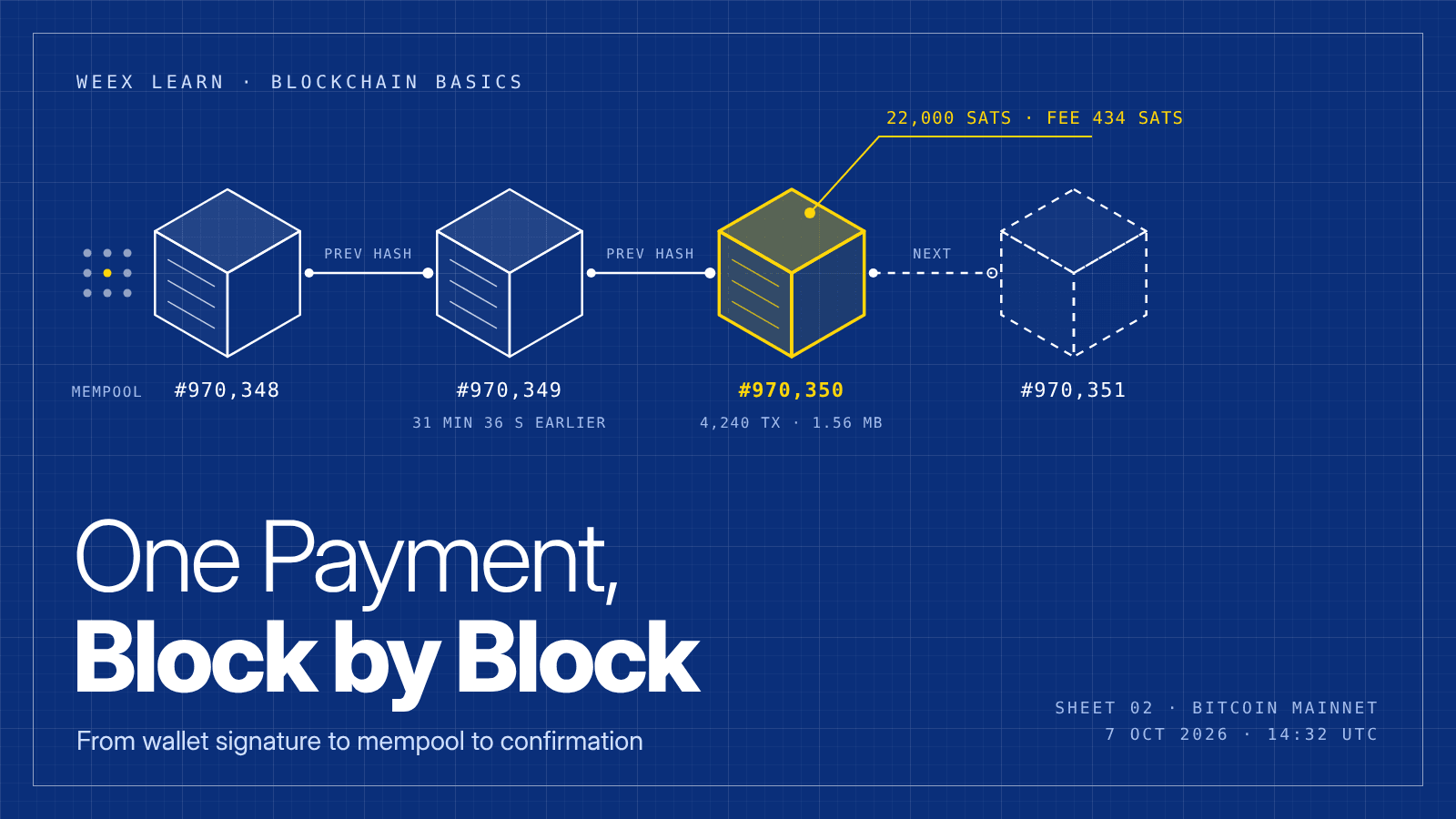
What Is Blockchain and How Does It Work? One Real Payment Traced
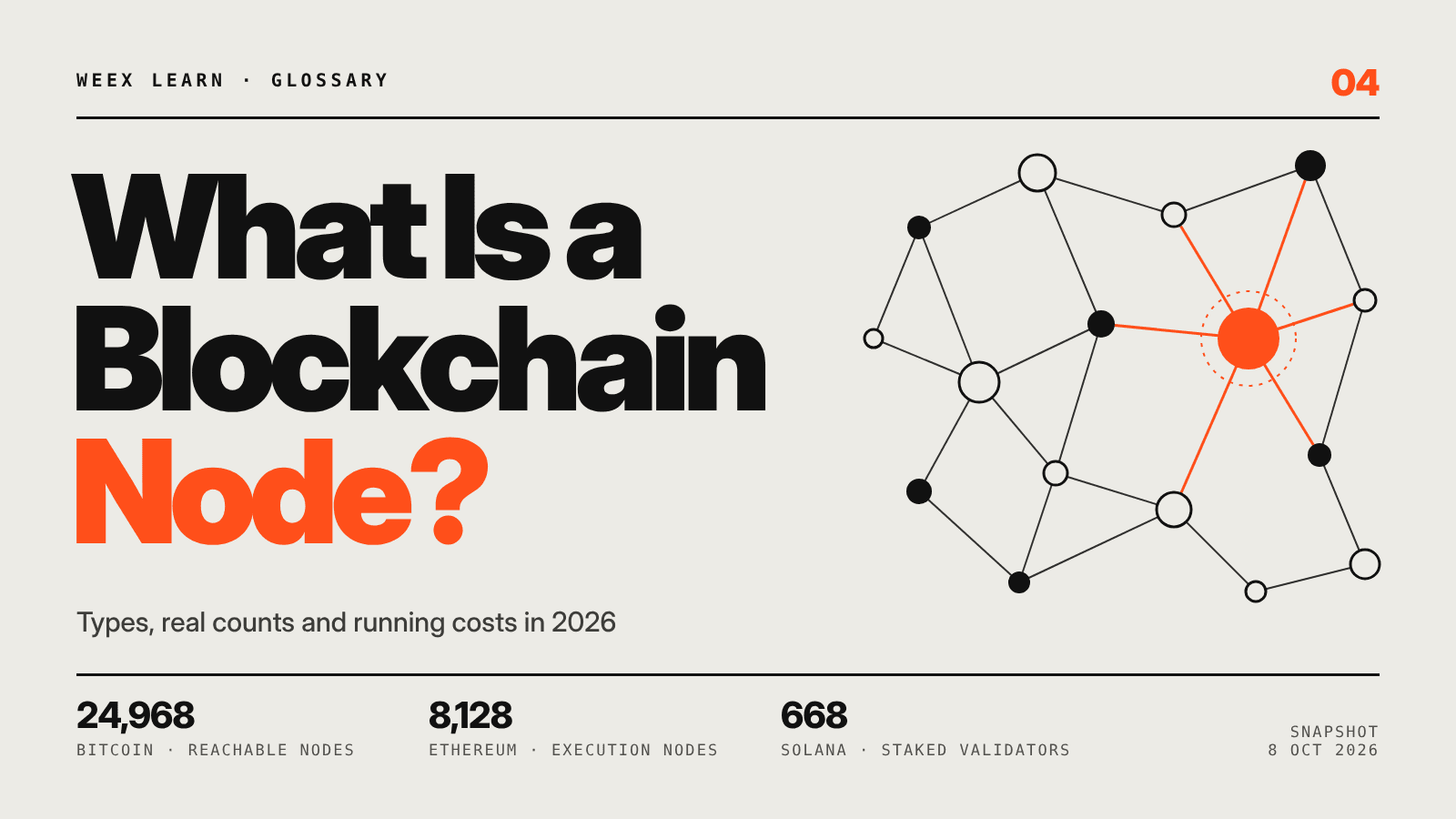
What Is a Blockchain Node? Types, 2026 Counts, and Real Costs
How to Buy New Crypto Before Listing: 5 Routes and Their Traps

What Is Staking? 4 Myths to Clear Up Before You Stake Crypto
TSMC Stock Outlook Ahead of Q3 Earnings: Can AI Demand Push Shares Higher?

Taiwan Stock Market Nears 50,000: Can the TAIEX Break the Milestone After the Holiday?

How to Buy USDT in Thailand: Payment Methods, Fees and Transfer Checks

What Is RLC Crypto? How iExec (RLC) Powers Confidential Computing

What Is Blockchain Interoperability? How Cross-Chain Bridges and Messaging Work
How to Buy Crypto With a Prepaid Card: Step-by-Step Guide

What Is WEEX Fast Connect? How OAuth Connects Third-Party Trading Platforms
How Do WEEX Broker Commissions Work? Direct vs Indirect Commission Explained
Best Crypto Trading Strategies for Beginners: What to Know Before You Trade
WEEX API for Quantitative Trading: Use Cases, Market Data and Automated Trading
WEEX API Documentation: How to Get Started With the WEEX Trading API
What Is WEEX API? Features, Trading Tools and How It Works

WEEX Auto Earn vs Staking: Flexibility, APR, and Lock Terms

What Is Orca (ORCA) Crypto? The Solana DEX, USDY Liquidity, and the ORCA Name Confusion
Why Is STRK Up Over 25%? Starknet's Layer 1 Idea, the Quantum Roadmap and the Risks Behind the Jump
Third-Party Trading Platforms vs Direct WEEX Trading: Fees, Liquidity, Security, and Control
How Copy Trading, Signal, and Telegram Trading Tools Can Build With WEEX Broker
What Is Derive (DRV)? Why the Token Jumped About 25% After Citrini Research's Altcoin Portfolio Report
How Quant Trading Platforms and Bots Can Build With WEEX Broker
How Trading Platforms and Terminals Can Connect to WEEX Broker


