
Understanding Order Types on WEEX Exchange

 Prefer us on Google
Mastering the various order types on WEEX Exchange is key to boosting your trading success and efficiency. Each order type has a distinct role, enabling traders to execute trades accurately, manage risks, and refine their strategies. This guide covers the order types available on WEEX, their purposes, and how to leverage them effectively.
What Are Trading Order Types?
Order types determine how trades are carried out in the market. They allow traders to control entry and exit points, mitigate risks, and automate strategies. Selecting the appropriate order type can enhance performance and avoid costly errors, particularly in the fast-moving crypto market.
Order Types on WEEX Exchange
Market Order
A Market Order executes instantly at the best current price available. It’s the quickest way to enter or exit a trade, though the final price may vary slightly due to market volatility.
Best for: Traders prioritizing speed over exact pricing.
How to use: Select “Market Order,” input the amount, and submit the order.
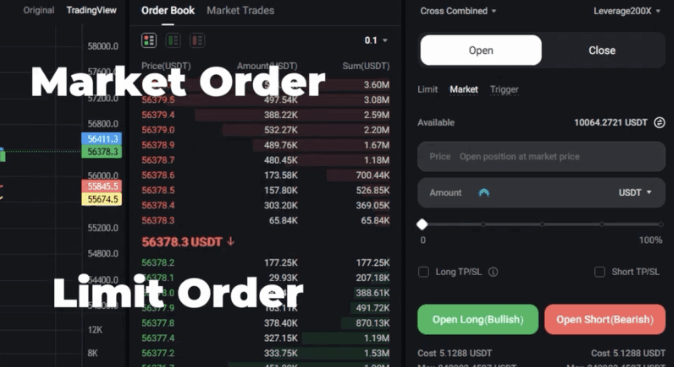
Limit Order
A Limit Order lets traders buy or sell at a chosen price or better. It only executes when the market hits the set price, offering precise control over trade execution.
Best for: Traders aiming to define specific entry or exit prices.
How to use: Choose “Limit Order,” specify the price, enter the amount, and place the order.
Stop-Loss Order
A Stop-Loss Order automatically closes a trade at a preset price to limit losses, serving as a vital risk management tool.
Best for: Traders seeking to shield their funds from significant price drops.
How to use: Activate “Stop-Loss” during trade setup and set the stop price.
Take-Profit Order
A Take-Profit Order secures profits by closing a position once it reaches a target price.
Best for: Traders looking to lock in gains at a desired level.
How to use: Specify a Take-Profit price when placing the trade.
Stop-Limit Order
A Stop-Limit Order blends stop-loss and limit order features. When the stop price is hit, a limit order is triggered at a defined price.
Best for: Traders wanting precise stop-loss execution control.
How to use: Set both the stop price and limit price before submitting the order.
Selecting the Best Order Type for Your Approach
The ideal order type aligns with your trading goals:
Scalping & High-Frequency Trading: Use Market Orders or Limit Orders.
Risk Management: Opt for Stop-Loss or Trailing Stop Orders.
Passive Trading: Choose Post-Only or Iceberg Orders.
Profit Maximization: Employ Take-Profit or Stop-Limit Orders.
Conclusion
WEEX Exchange offers a range of order types tailored to various trading styles and objectives. By grasping how each functions, you can streamline your trading, manage risks better, and elevate your performance in the cryptocurrency market.
Trade smarter on WEEX today by choosing the order types that match your strategy!
This content is provided for general informational purposes only and doesn't constitute financial, investment, legal, or tax advice. Any events, rewards, online promotions, or related information mentioned herein should not be considered a recommendation, solicitation, or invitation to purchase, sell, trade, or otherwise deal in any crypto assets. Crypto assets are highly volatile and may result in loss. The availability of WEEX services, products, and related events may vary by region. You are responsible for ensuring that your participation is in accordance with applicable local laws and regulations.
You may also like

Why Is STRK Up Over 25%? Starknet's Layer 1 Idea, the Quantum Roadmap and the Risks Behind the Jump
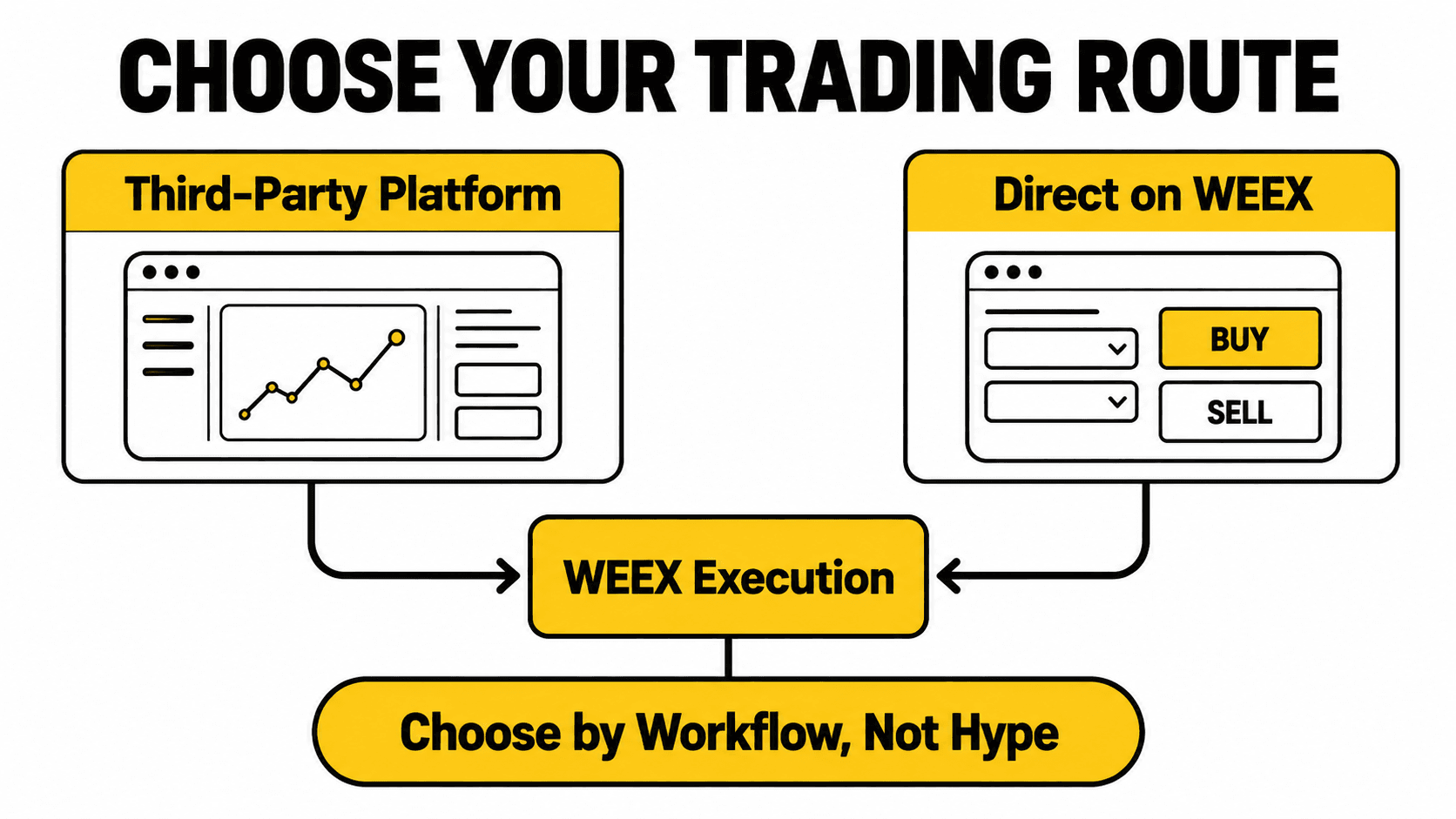
Third-Party Trading Platforms vs Direct WEEX Trading: Fees, Liquidity, Security, and Control
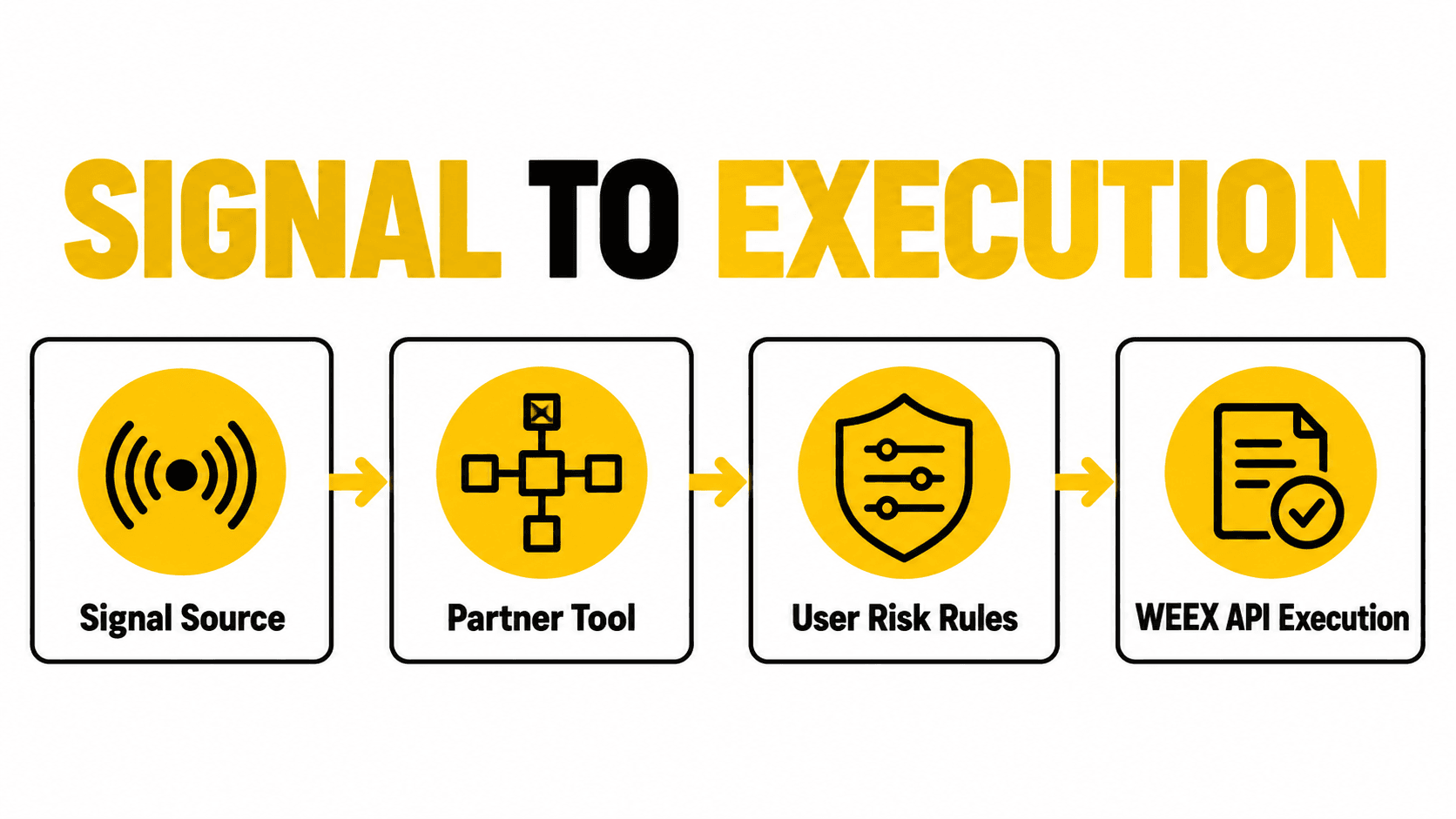
How Copy Trading, Signal, and Telegram Trading Tools Can Build With WEEX Broker

What Is Derive (DRV)? Why the Token Jumped About 25% After Citrini Research's Altcoin Portfolio Report
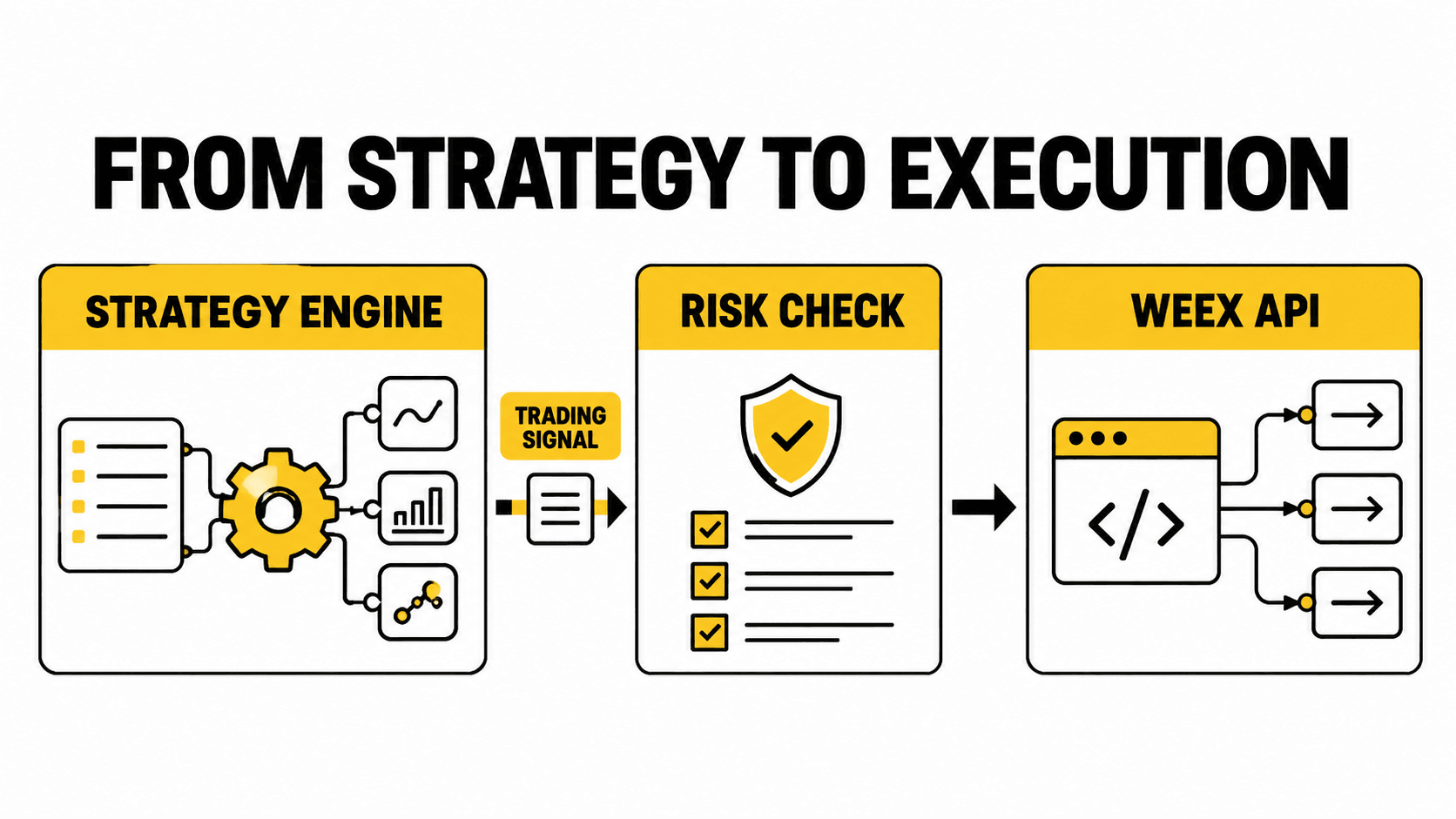
How Quant Trading Platforms and Bots Can Build With WEEX Broker
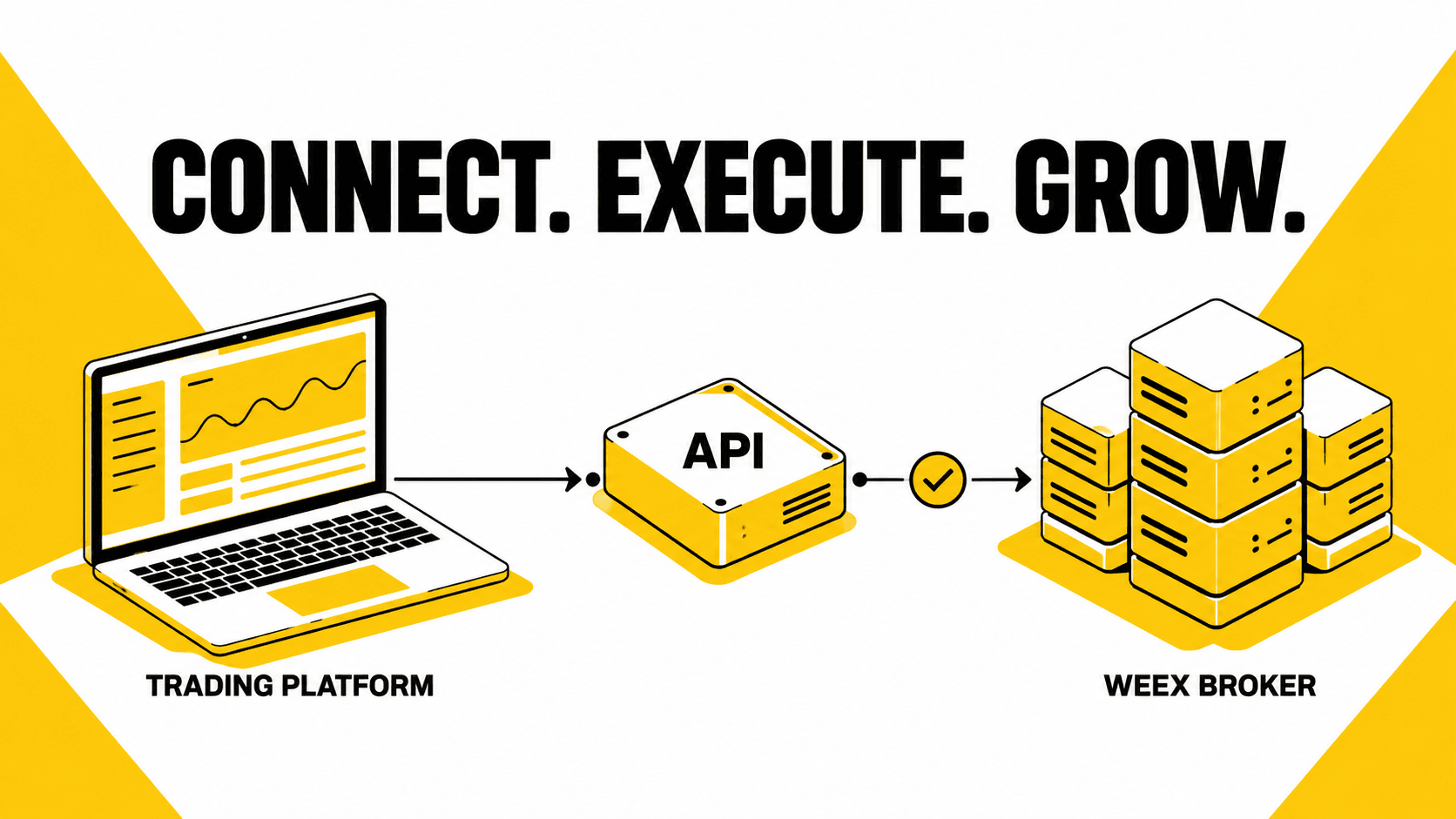
How Trading Platforms and Terminals Can Connect to WEEX Broker

How to Use an APR Boost on WEEX Auto Earn Without Wasting It

How to Buy Presale Crypto: Step by Step Guide for Beginners

Ethereum Glamsterdam Hits 200M Gas on Sepolia: What Changes After the Upgrade?
ENA Token Price Drops After October 5 Unlock: What Happened to Ethena?
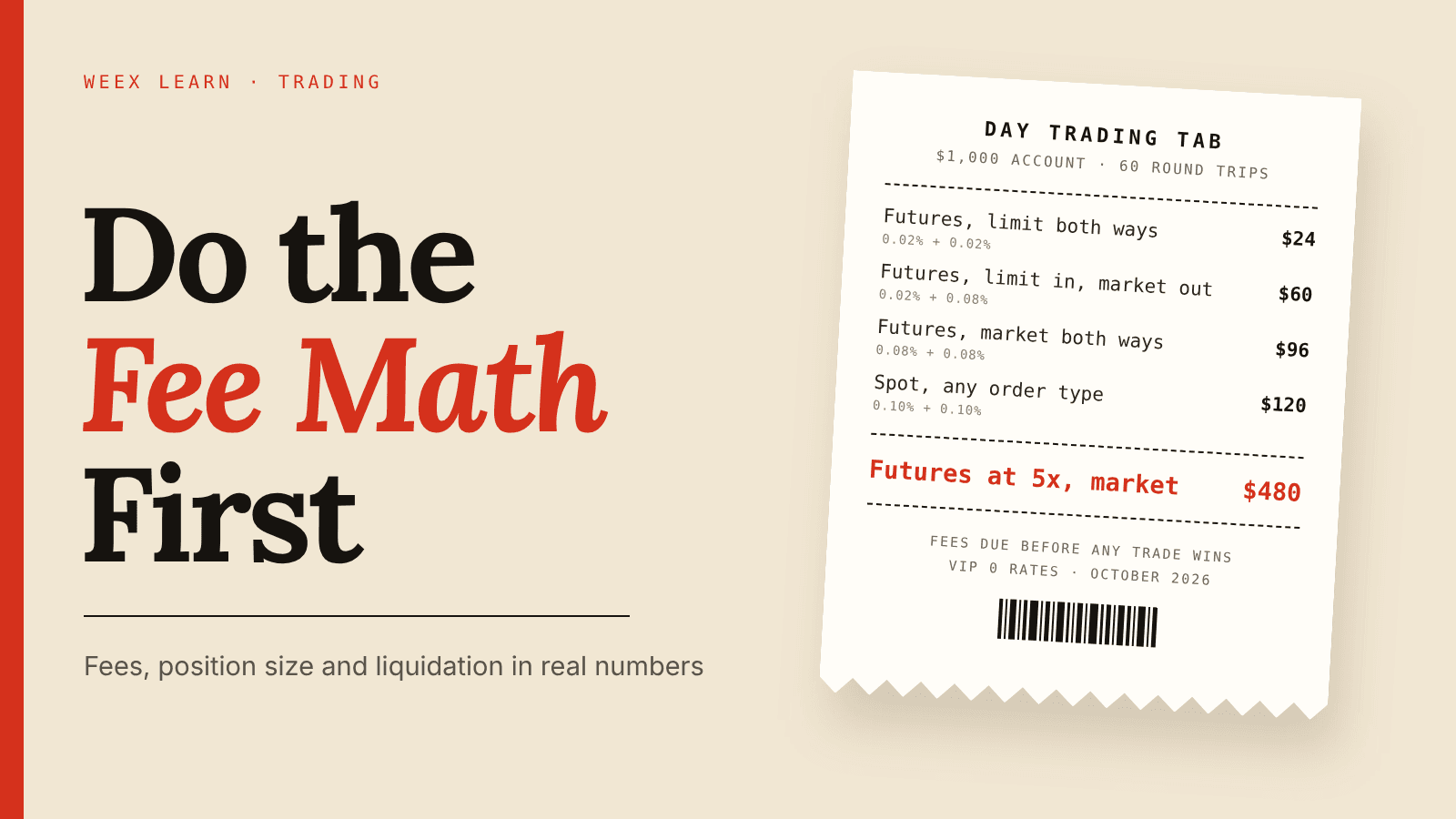
How to Day Trade Crypto for Beginners: Do the Fee Math First
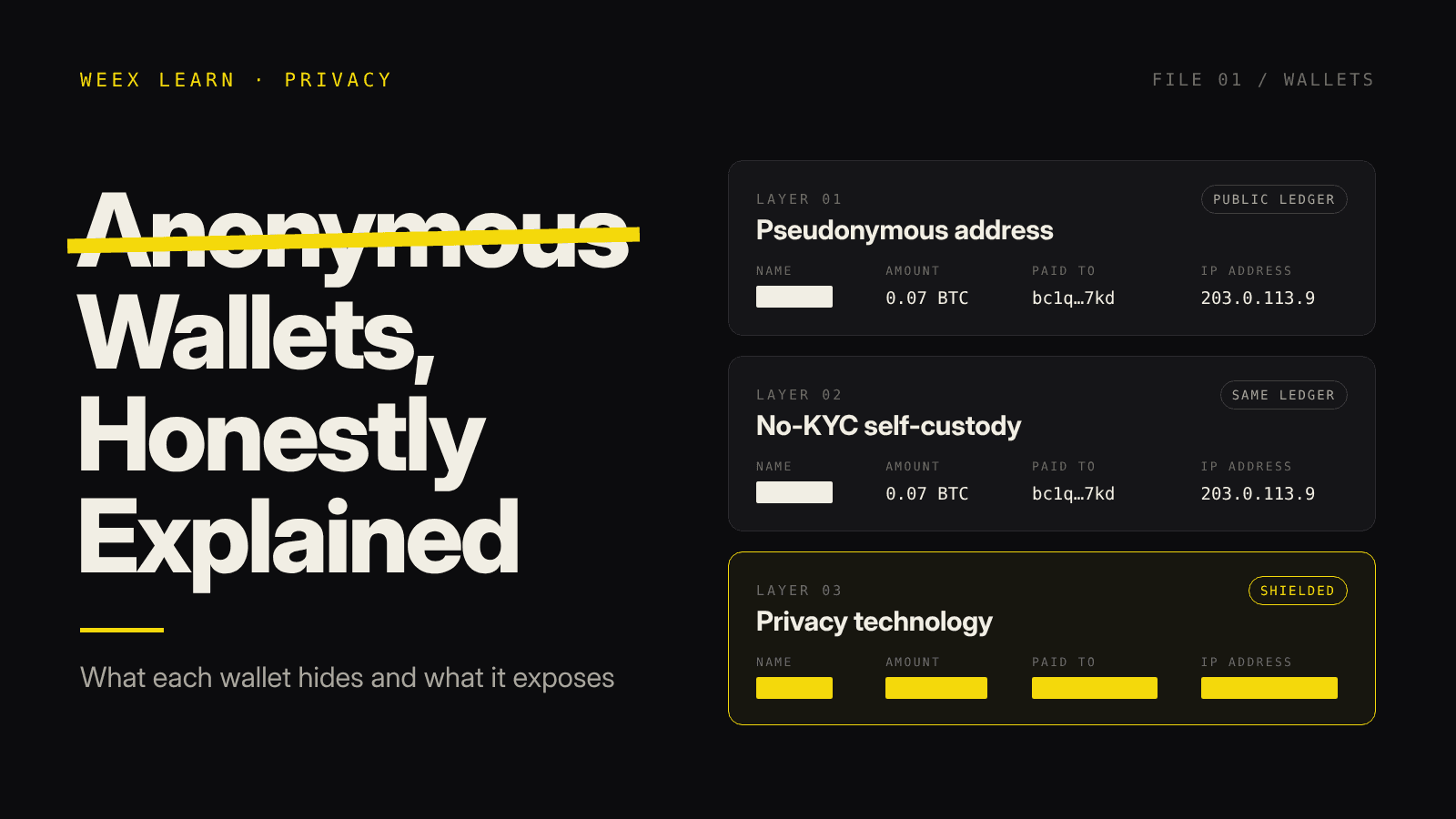
Anonymous Crypto Wallet: What Each One Hides and Where It Fails
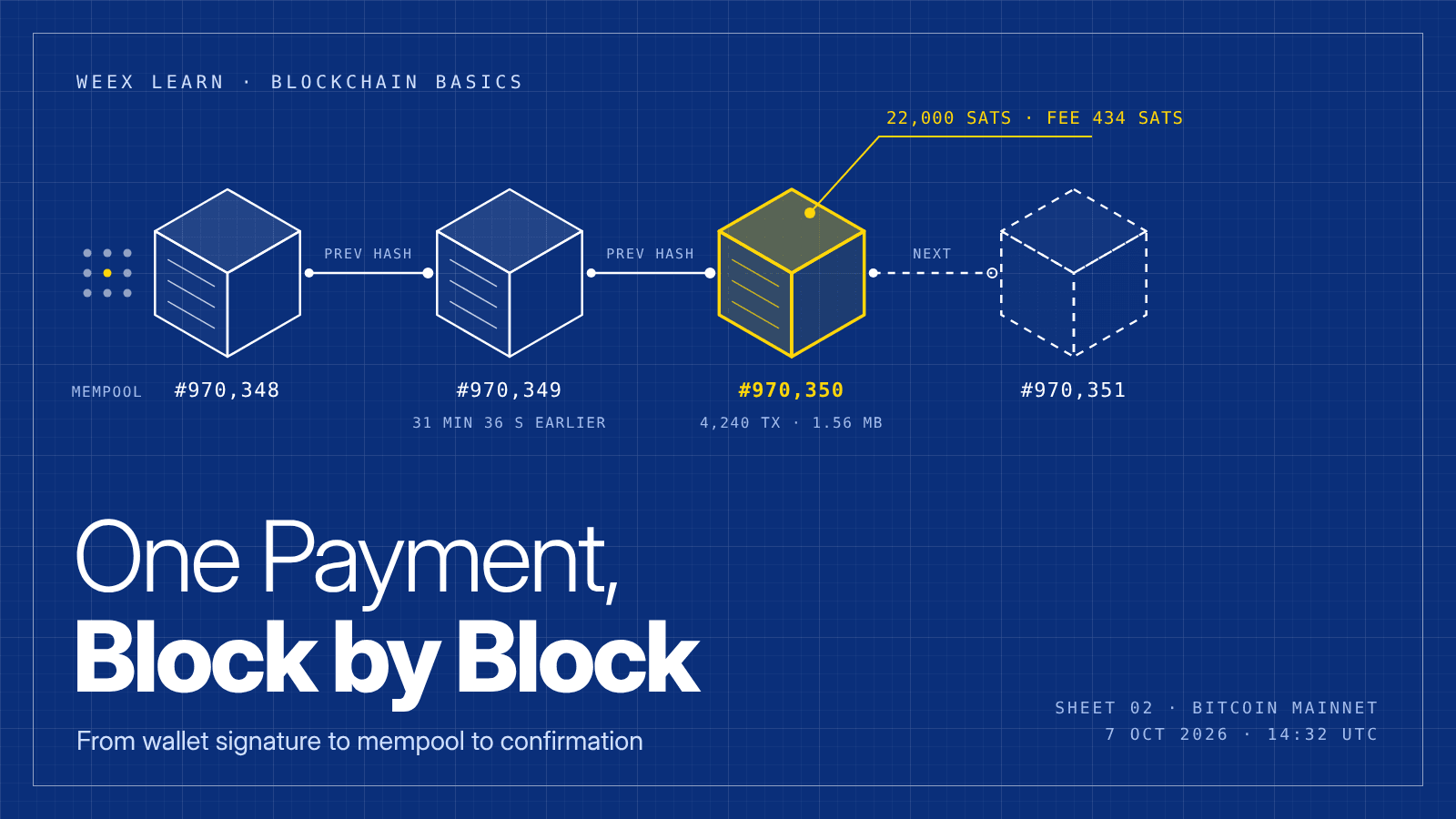
What Is Blockchain and How Does It Work? One Real Payment Traced
What Is a Blockchain Node? Types, 2026 Counts, and Real Costs

How to Buy New Crypto Before Listing: 5 Routes and Their Traps

What Is Staking? 4 Myths to Clear Up Before You Stake Crypto
TSMC Stock Outlook Ahead of Q3 Earnings: Can AI Demand Push Shares Higher?

Taiwan Stock Market Nears 50,000: Can the TAIEX Break the Milestone After the Holiday?

How to Buy USDT in Thailand: Payment Methods, Fees and Transfer Checks

What Is RLC Crypto? How iExec (RLC) Powers Confidential Computing
What Is Blockchain Interoperability? How Cross-Chain Bridges and Messaging Work
How to Buy Crypto With a Prepaid Card: Step-by-Step Guide

What Is WEEX Fast Connect? How OAuth Connects Third-Party Trading Platforms
How Do WEEX Broker Commissions Work? Direct vs Indirect Commission Explained
Best Crypto Trading Strategies for Beginners: What to Know Before You Trade
WEEX API for Quantitative Trading: Use Cases, Market Data and Automated Trading
WEEX API Documentation: How to Get Started With the WEEX Trading API
What Is WEEX API? Features, Trading Tools and How It Works

WEEX Auto Earn vs Staking: Flexibility, APR, and Lock Terms

What Is Orca (ORCA) Crypto? The Solana DEX, USDY Liquidity, and the ORCA Name Confusion
Why Is STRK Up Over 25%? Starknet's Layer 1 Idea, the Quantum Roadmap and the Risks Behind the Jump
Third-Party Trading Platforms vs Direct WEEX Trading: Fees, Liquidity, Security, and Control
How Copy Trading, Signal, and Telegram Trading Tools Can Build With WEEX Broker
What Is Derive (DRV)? Why the Token Jumped About 25% After Citrini Research's Altcoin Portfolio Report
How Quant Trading Platforms and Bots Can Build With WEEX Broker
How Trading Platforms and Terminals Can Connect to WEEX Broker


