
User Guide: How to Invest in Bitcoin and Cryptocurrencies?

 Prefer us on Google

Introduction
While Bitcoin and other cryptocurrencies can diversify your portfolio, they come with significant volatility and risk. Successful crypto investing requires more than speculative buying—it. It demands a solid grasp of market fundamentals, technology, and risk management.
Before entering the market, conduct thorough research and develop a strategy aligned with your risk tolerance. Always invest responsibly—never commit more capital than you can afford to lose, and stay informed to navigate crypto space wisely.
Bitcoin or altcoins?
For beginners entering crypto space, Bitcoin is often the starting point for investments. As the most well-known blockchain project and the largest cryptocurrency by market cap, it serves as a gateway to the digital asset world.
Beyond Bitcoin, there are thousands of alternative cryptocurrencies (altcoins) available. Some operate on their own independent blockchains, while others are built on existing networks like Ethereum. Each project offers unique features, along with its own set of potential rewards and risks.
The choice between investing solely in Bitcoin or diversifying into altcoins depends entirely on personal preference. Some investors prefer the stability and dominance of BTC, while others seek opportunities across a broader range of cryptoassets.
Diversification can help mitigate risks by spreading exposure across multiple assets, reducing the impact if one underperforms. However, altcoins often carry higher risks, including the possibility of scams or failed projects. Thorough research is essential before committing funds to any cryptocurrency investment.
Necessary to trade or invest?
When deciding whether to invest in Bitcoin or trade altcoins, it’s crucial to understand the difference between the two approaches. Investing typically means buying and holding assets like Bitcoin for the long term, based on strong belief in their future value. This strategy requires less active effort and generally carries lower risk compared to frequent trading.
On the other hand, trading focuses on short to medium-term gains by buying and selling cryptocurrencies frequently. Successful trading demands time, skill, and disciplined strategies, along with careful analysis of market trends and trading platforms. Traders must also account for transaction fees, which can add up over time—especially when dealing with volatile assets like Bitcoin and altcoins.
Cryptocurrency markets are known for their extreme volatility, which can create profit opportunities for traders but also increase risk. For beginners, long-term investing in Bitcoin is often the safer choice, as it avoids the stress of timing the market. Investors focus on fundamentals—such as a project’s technology and long-term potential—rather than short-term price swings.
Ultimately, your approach depends on your goals, risk tolerance, and available time. Some prefer the stability of investing in Bitcoin, while others embrace the fast-paced world of **trading**. A balanced strategy might even combine both. However, never risk more than you can afford to lose.
-- Price
How to Invest?
Choosing the right Bitcoin or crypto investment requires careful analysis. The approach depends on whether you're investing long-term or actively trading, with both fundamental and technical analysis playing important roles.
For investors focused on Bitcoin or other long-term holds, fundamental analysis (FA) is key. FA examines a project's real-world value by evaluating its technology, team, roadmap, adoption potential, and overall ecosystem strength – factors that determine its staying power beyond short-term price swings.
Traders, however, rely more on technical analysis (TA), using price charts, trading volume, and indicators like moving averages to spot patterns. While FA helps identify strong projects, TA helps traders time their Bitcoin and altcoin entries and exits in volatile markets. Many successful market participants combine both methods for a balanced strategy. Also, you can rely on candlestick charts and TA indicators, such as MACD indicator and RSI indicator.
What should I do with my cryptocurrency?
When investing or trading crypto, common strategies include buying, selling, and holding assets like Bitcoin and altcoins. For long-term holders (HODLers), you can store your crypto directly in your WEEX account or transfer it to an external wallet for added security.
Closing Thoughts
Mastering Bitcoin and crypto investing or trading takes time, but building knowledge helps minimize risks and make smarter decisions. Emotional trading—like panic-selling during market dips—becomes less likely when you understand market cycles and strategies. To dive deeper into managing market psychology, explore our guide How to Measure Crypto Market Sentiment and 5 Exit Strategies for Traders.
This content is provided for general informational purposes only and doesn't constitute financial, investment, legal, or tax advice. Any events, rewards, online promotions, or related information mentioned herein should not be considered a recommendation, solicitation, or invitation to purchase, sell, trade, or otherwise deal in any crypto assets. Crypto assets are highly volatile and may result in loss. The availability of WEEX services, products, and related events may vary by region. You are responsible for ensuring that your participation is in accordance with applicable local laws and regulations.
You may also like
How to Buy Presale Crypto: Step by Step Guide for Beginners
Ethereum Glamsterdam Hits 200M Gas on Sepolia: What Changes After the Upgrade?
What Is Staking? 4 Myths to Clear Up Before You Stake Crypto
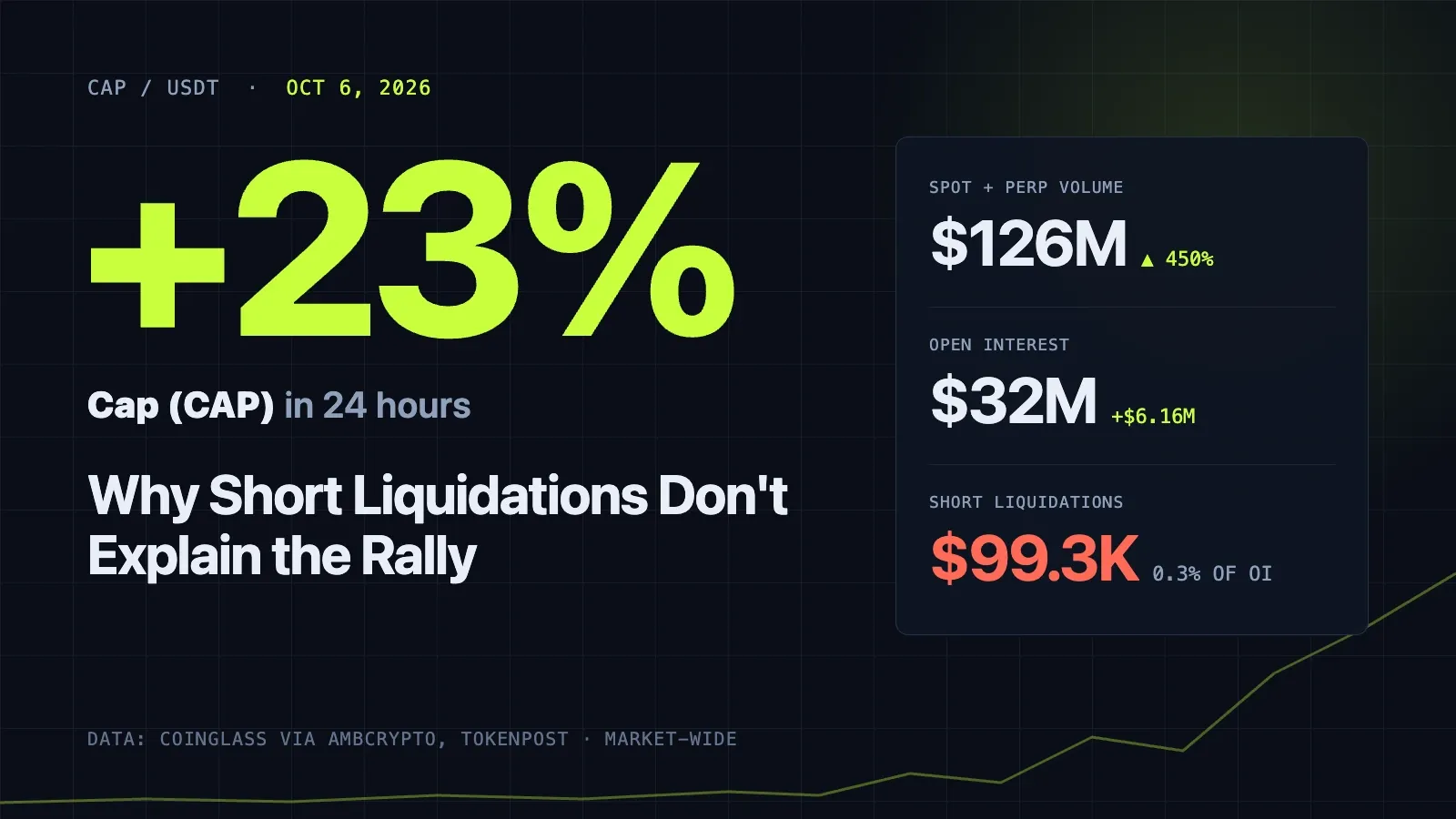
CAP Price Up 23%: Why Short Liquidations Don't Explain the Rally
Ethereum Glamsterdam Upgrade: Sepolia Date and ETH Price Impact
How to Earn Interest on USDT: What a 10% APR Really Pays in 2026
How to Buy Crypto With Apple Pay in 5 Steps: Why Your Bank May Decline the Payment
What Is Blockchain and How Does It Work? One Real Block Explained
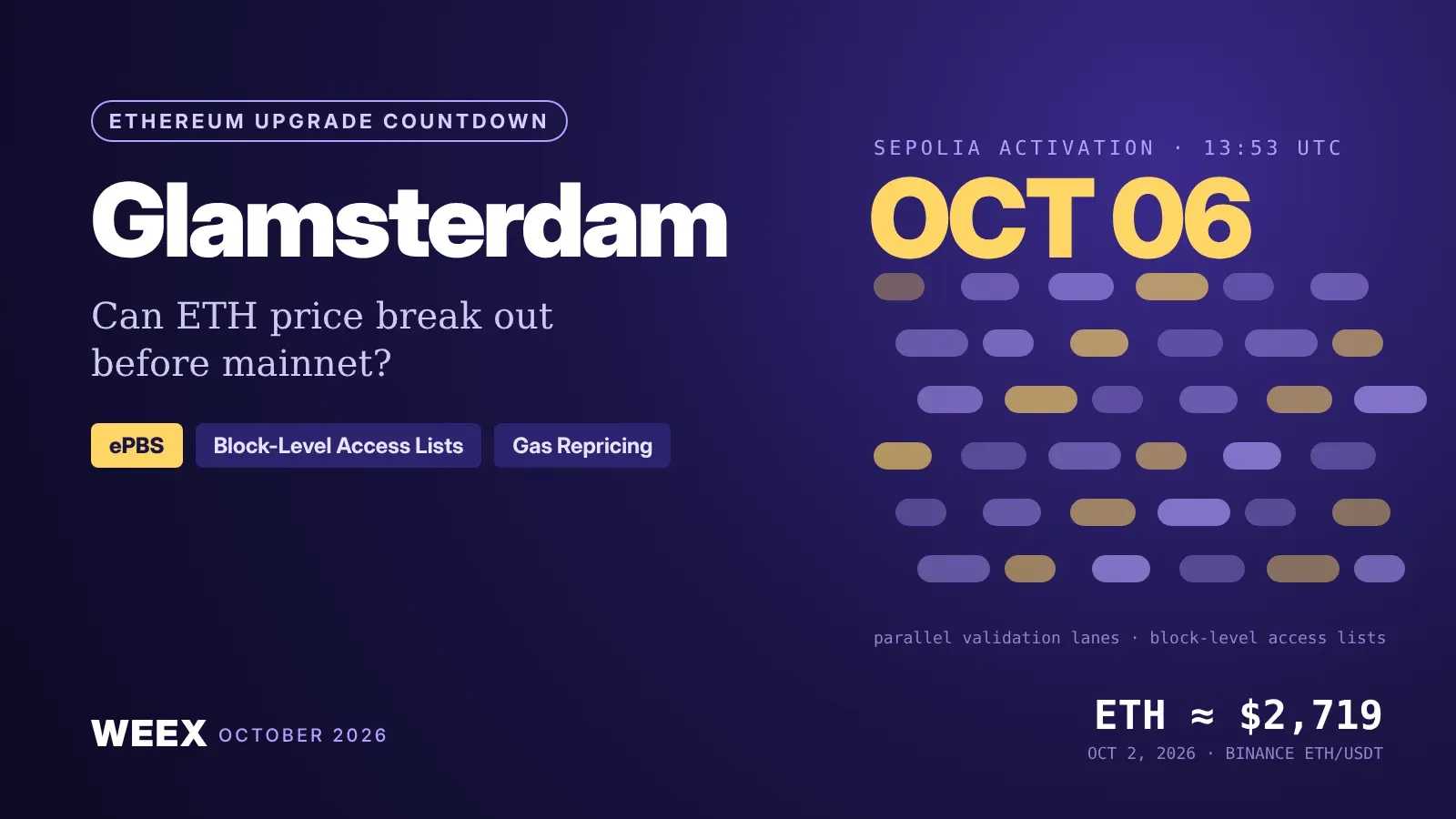
Ethereum Glamsterdam Upgrade Countdown: Can ETH Price Break Out?
Anonymous Crypto Wallet: What Still Protects Your Privacy in 2026
How Tether Freezes USDT: Address Blacklists and Holder Checks
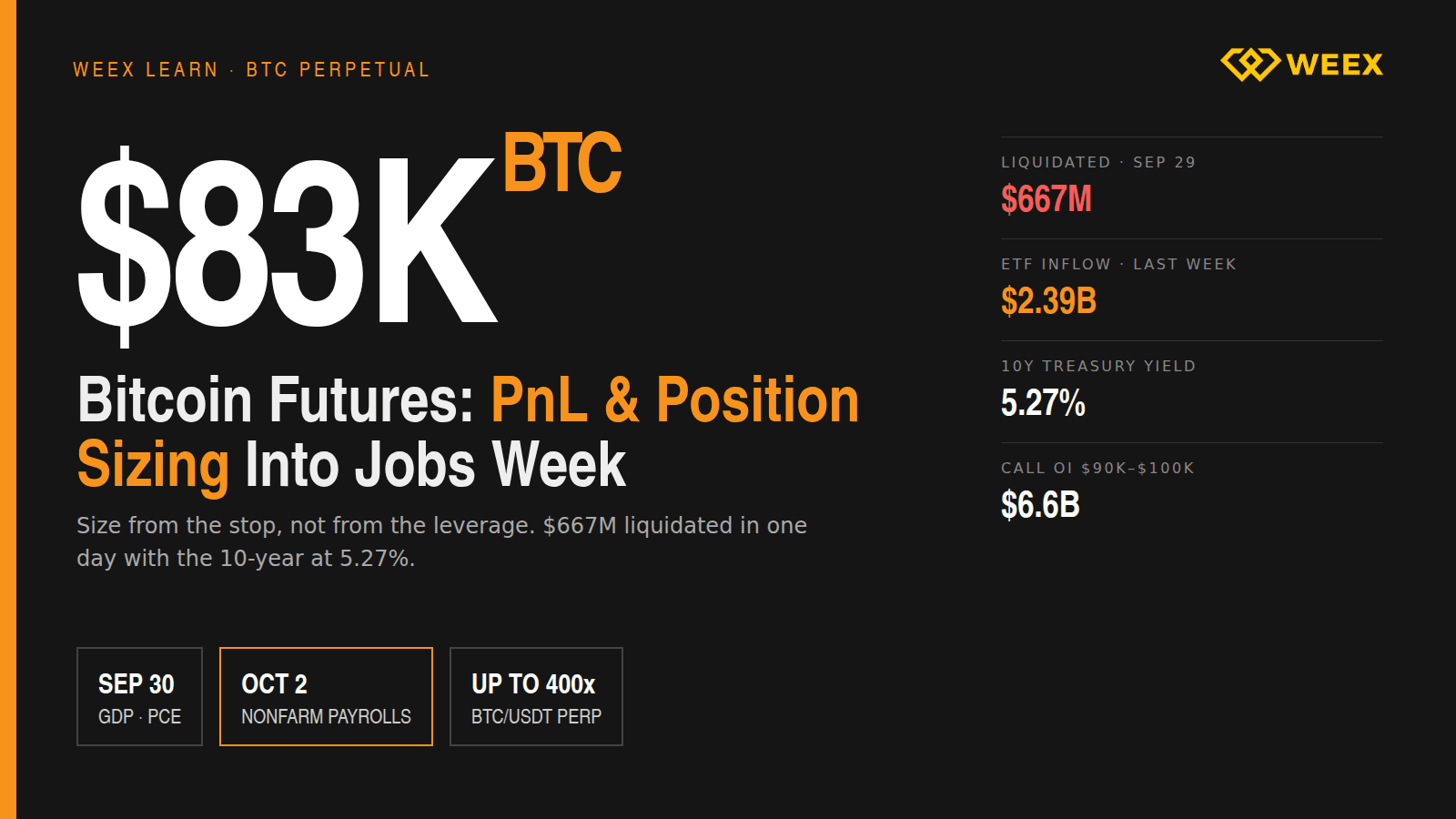
Bitcoin Futures at $83K: PnL and Position Sizing Into Jobs Week
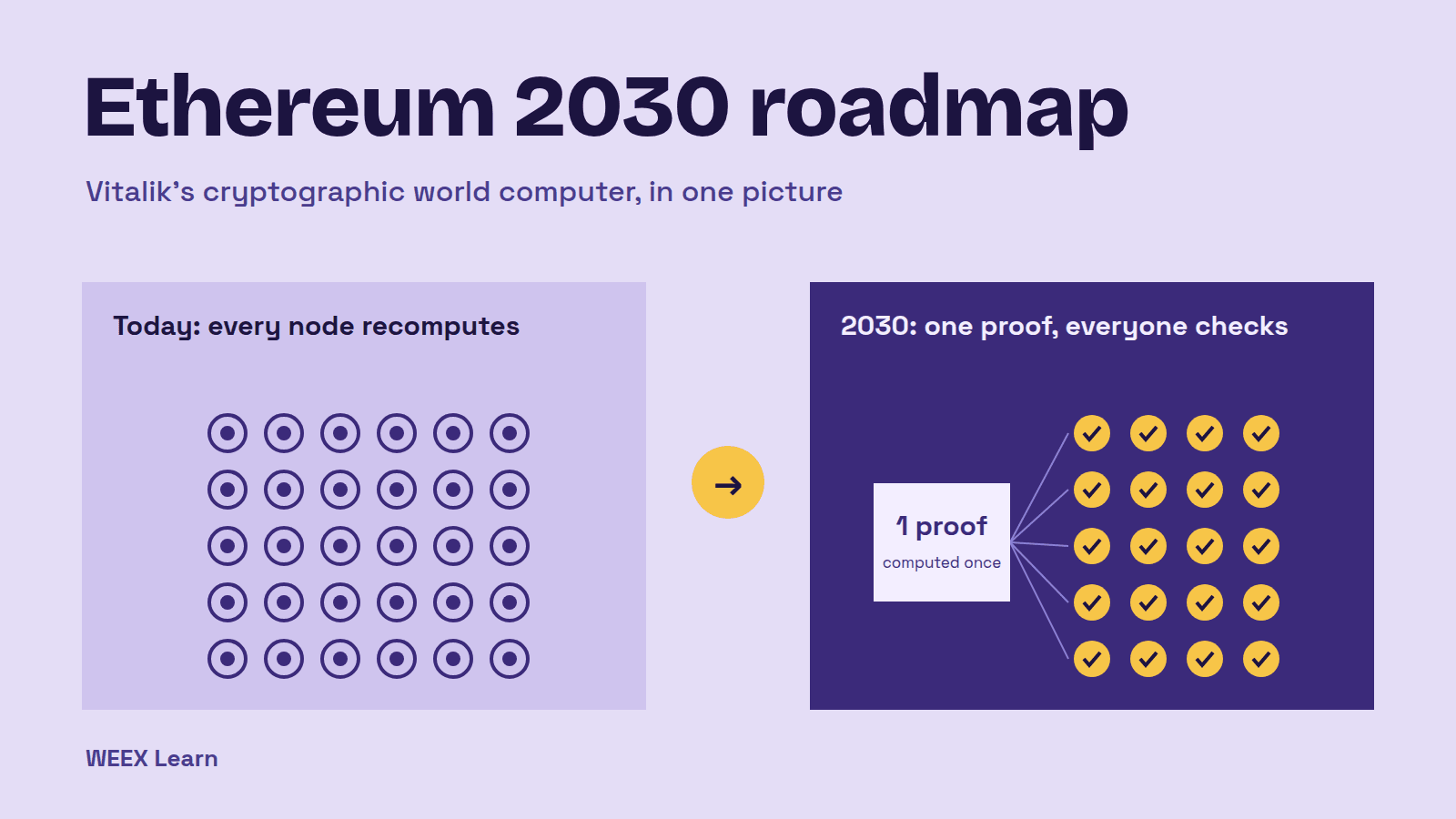
Ethereum 2030 Roadmap: Vitalik's Cryptographic World Computer
Common P2P Crypto Scams and How to Spot Them
How to Choose a P2P Crypto Merchant on WEEX
How to File a WEEX P2P Appeal: Evidence and Video Requirements
Is WEEX P2P Crypto Trading Safe? Risks and Checks Before You Trade
WEEX P2P Order Limits: Minimums, Maximums, and Available Ads
P2P Crypto Trading Fees: Spreads and Payment Costs Explained
P2P vs. Spot Trading: Which Does What?
P2P vs. OTC Crypto Trading: Key Differences Explained
Bitget Resumes Withdrawals in Phases: Schedule in Vietnam Time and What to Check
Bitget Phased Withdrawal Restart: Schedule (UTC+8) and Checks for Taiwan Users
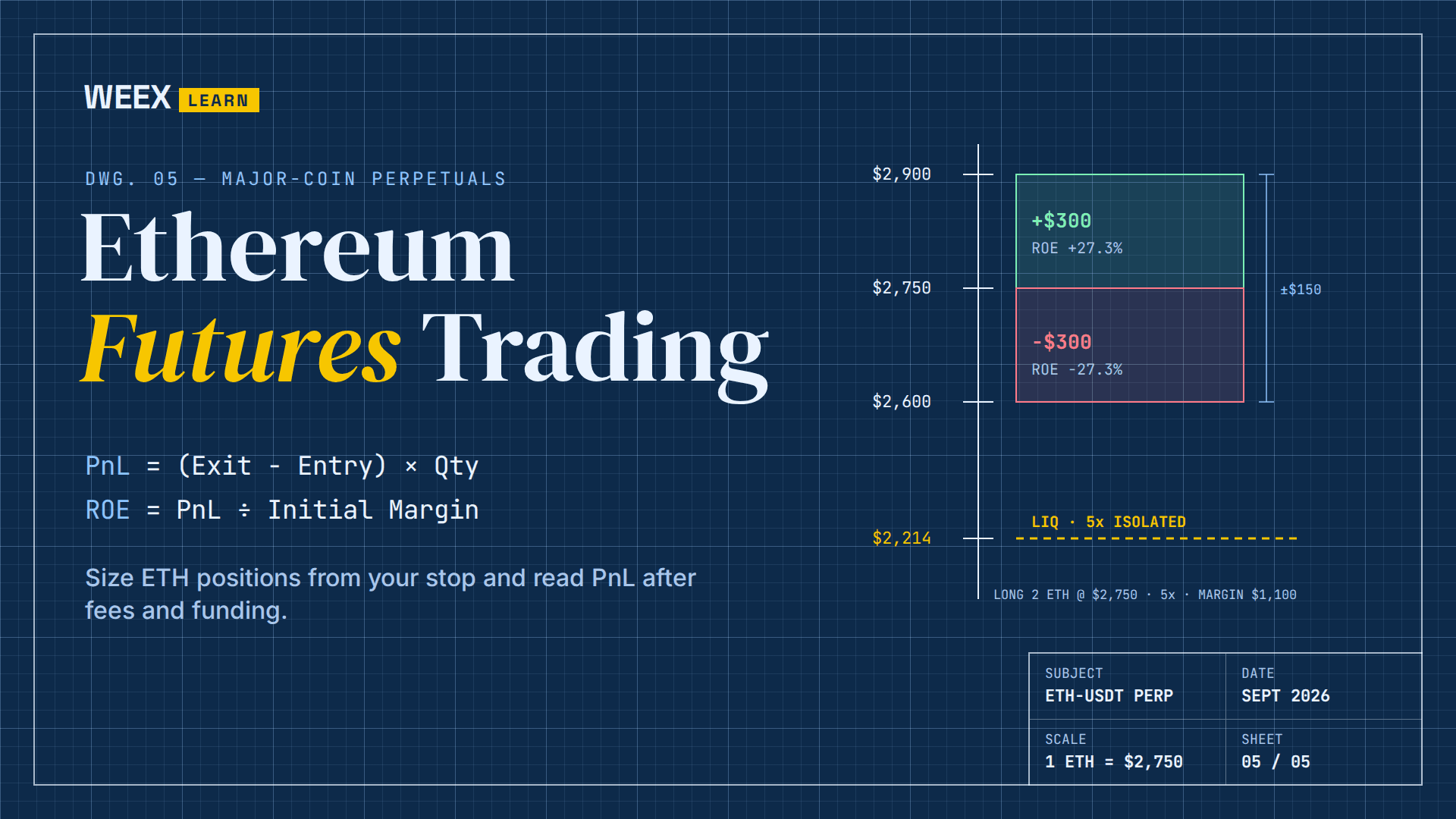
Ethereum Futures Trading: How to Size ETH Positions and Read PnL
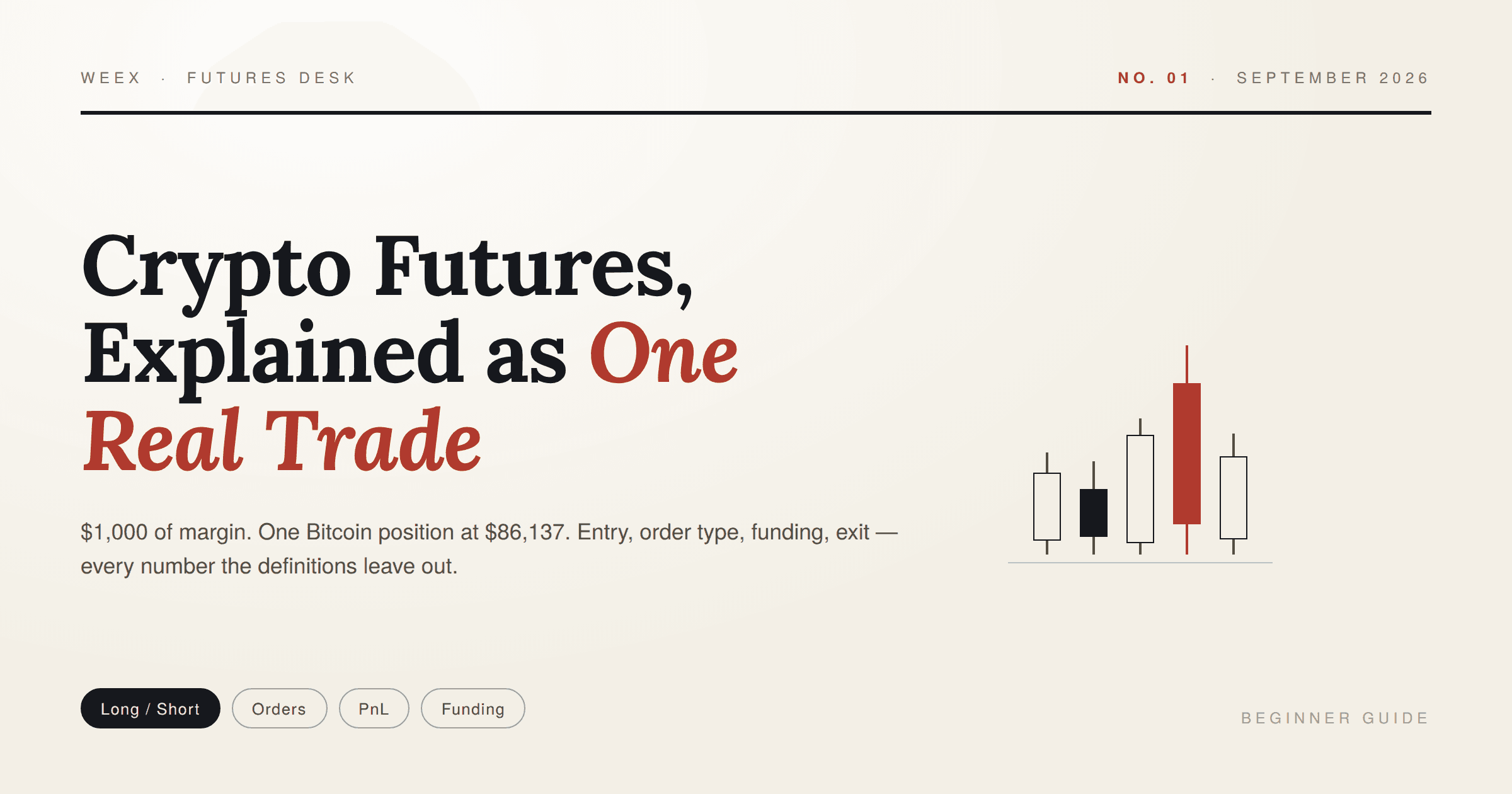
Crypto Futures Trading Explained: One Real Trade, Start to Exit
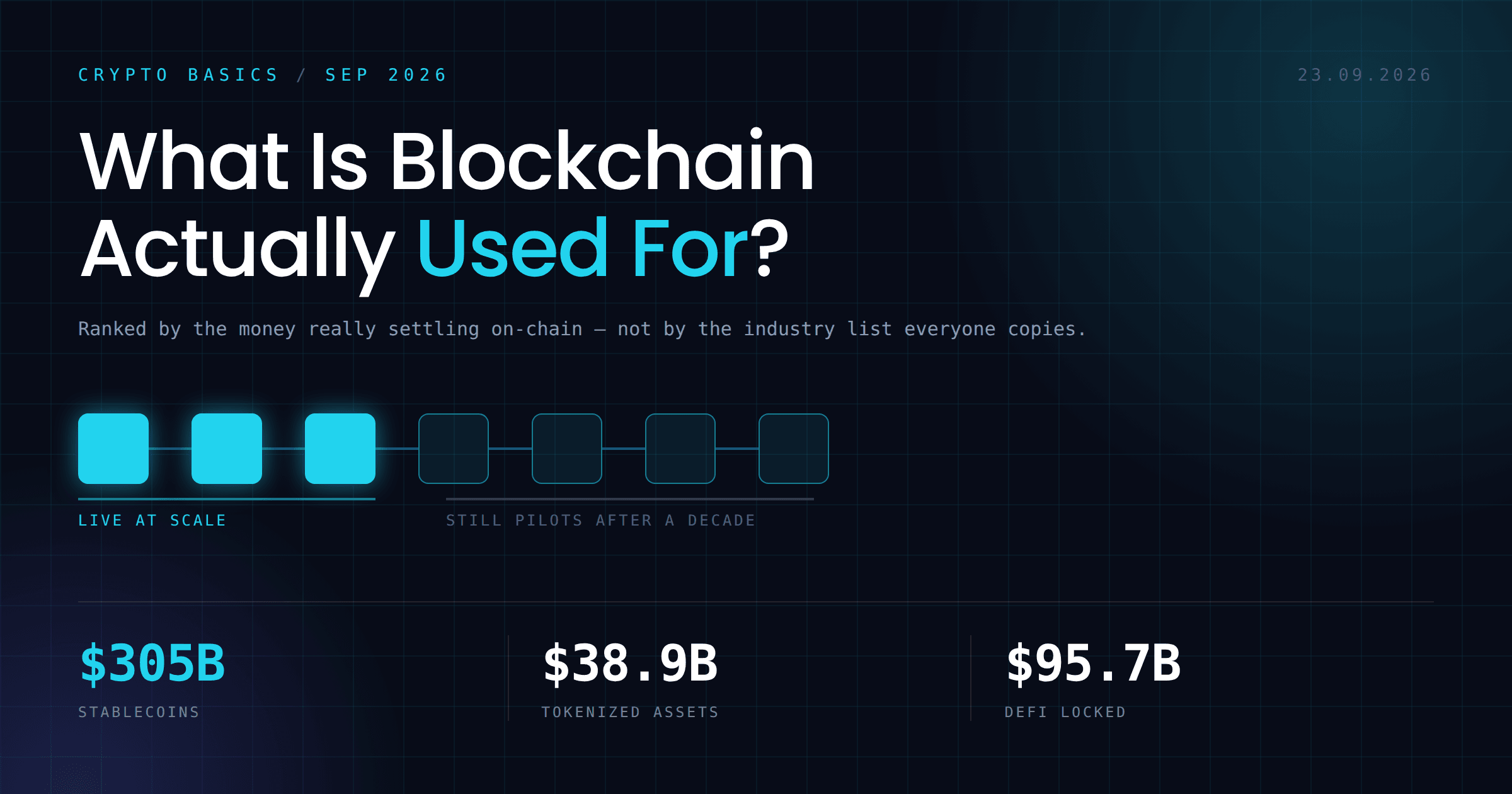
What Is Blockchain Used For? 2026 Uses, Ranked by Real Money
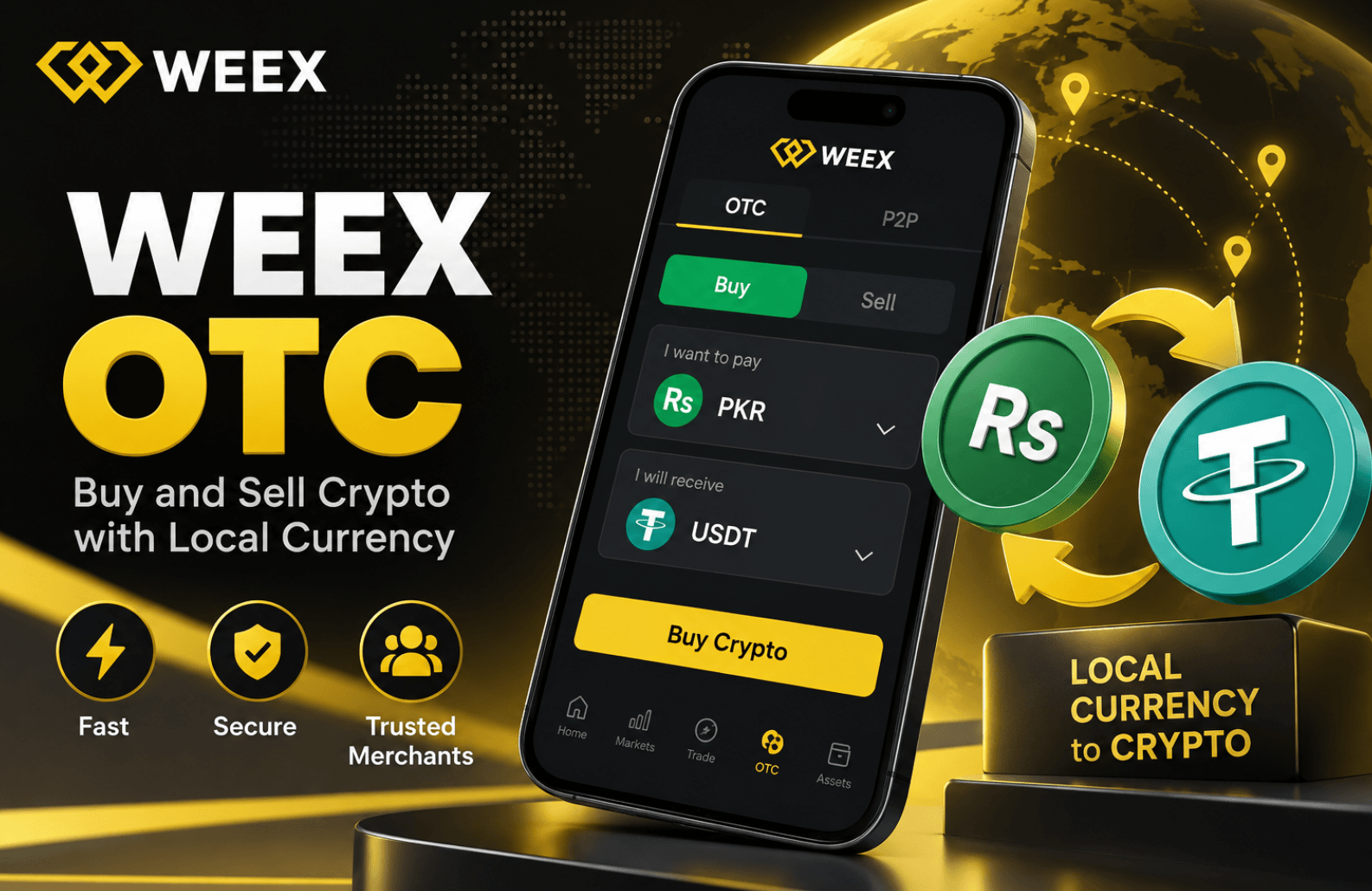
How to Buy USDT with EUR via SEPA Bank Transfer on WEEX
How to Buy Bitcoin with EUR in Europe on WEEX
How to Buy Crypto in Europe with EUR on WEEX OTC
How to Buy Crypto in Vietnam with VND on WEEX OTC
How to Buy Presale Crypto: Step by Step Guide for Beginners
Ethereum Glamsterdam Hits 200M Gas on Sepolia: What Changes After the Upgrade?
What Is Staking? 4 Myths to Clear Up Before You Stake Crypto
CAP Price Up 23%: Why Short Liquidations Don't Explain the Rally
Ethereum Glamsterdam Upgrade: Sepolia Date and ETH Price Impact
How to Earn Interest on USDT: What a 10% APR Really Pays in 2026




