
What is Open Campus (EDU) and Why Is EDU Hot in October 2025?

 Prefer us on Google

What is Open Campus?
Open Campus is a blockchain-based initiative designed to transform the worldwide education landscape by establishing a decentralized network. This ecosystem integrates students, instructors, content developers, and educational bodies, facilitating direct interaction and value exchange. It shifts authority away from centralized entities, enabling educators to earn directly from their materials, learners to maintain control over their academic records, and organizations to engage in clear, cooperative ventures.

Core Goals of Open Campus
The existing educational framework is plagued by issues like restricted accessibility, non-transparent certification, and inadequate compensation for educators. Open Campus strives to create a learning environment that is equitable, transparent, and universally accessible. Its primary goals are to:
- Grant educators and creators full ownership and monetization rights for their instructional materials.
- Provide learners with tamper-proof academic credentials and self-sovereign digital identities.
- Allow educational institutions to leverage and monetize their resources on a clear, trustworthy platform.
- Foster a worldwide community that removes barriers to quality education.
Through the application of Web3 tools, Open Campus is establishing a new, incentive-driven framework that promotes open participation and fair compensation.
What is EDU Token?
The EDU token functions as the primary digital currency within the Open Campus Protocol, a decentralized network built for the education sector. This system allows all members of the educational community—including tutors, curriculum designers, and learners—to receive fair value for their contributions. The $EDU token serves several key purposes:
- Educators and creators are compensated by EDU for publishing and sharing quality content.
- Students utilize EDU tokens to pay for courses, certifications, and other educational services.
- Token holders participate in platform governance, voting on key decisions about protocol upgrades, fund allocation, and content standards.
As the Open Campus network grows, the utility and demand for the EDU token are expected to increase correspondingly.
-- Price
Why Investors Are Watching EDU Again?
The recent upward movement in EDU's market value is linked to increasing investor focus on tokens with tangible utility and real-world applications. The education sector, along with decentralized science (DeSci), is gaining traction as a promising niche, and Open Campus is a recognized project in this domain. Several elements contribute to its renewed appeal:
- Strategic collaborations with other Web3 educational platforms and decentralized organizations.
- An engaged governance system that lets the community decide on fund distribution and project development.
- Its established position as a top blockchain network dedicated to education.
- Speculation around new exchange listings and integration with additional layer-two scaling solutions.
The token's economic model is also a factor, with a significant portion of the total supply already in circulation, reducing the risk of inflation from large, unlocked reserves.
What Could Influence EDU’s Price Next?
Traders and investors are monitoring several potential developments that could impact EDU's price trajectory:
- New governance proposals that increase funding for educational initiatives and creator incentives.
- Technical integrations that connect the EDU Chain with more decentralized applications and e-learning tools.
- Announcements regarding listings on major global or regional cryptocurrency exchanges.
- Collaborative agreements with traditional universities, online learning platforms, or digital credentialing services.
- A sector-wide uptrend in tokens related to decentralized science and education.
Should these catalysts materialize, EDU could potentially experience a steady upward trend through the last quarter of 2025.
Conclusion
The price recovery of EDU in October 2025 signals a restoration of confidence in its core mission and a broader market interest in practical Web3 applications. With a strengthening ecosystem, increased trading activity, and a well-defined role in decentralized learning, Open Campus has successfully recaptured market attention.
For traders looking to capitalize on this momentum, the EDU token is readily accessible for trading on WEEX exchange. The project's continued progress—specifically in scaling its blockchain, growing its library of tokenized educational content, and enhancing tools for educators—will be critical to its long-term position. Maintaining a price level above $0.13 will be a key test to determine if this resurgence is a temporary spike or the start of a more durable growth phase.
Further Reading
- What is Bittensor Crypto (TAO) and How Does It Work?
- What is YieldBasis (YB) and How Does It Work?
- What is Enso (ENSO) and How Does It Work?
Disclaimer: The opinions expressed in this article are for informational purposes only. This article does not constitute an endorsement of any of the products and services discussed or investment, financial, or trading advice. Qualified professionals should be consulted prior to making financial decisions.
This content is provided for general informational purposes only and doesn't constitute financial, investment, legal, or tax advice. Any events, rewards, online promotions, or related information mentioned herein should not be considered a recommendation, solicitation, or invitation to purchase, sell, trade, or otherwise deal in any crypto assets. Crypto assets are highly volatile and may result in loss. The availability of WEEX services, products, and related events may vary by region. You are responsible for ensuring that your participation is in accordance with applicable local laws and regulations.
You may also like
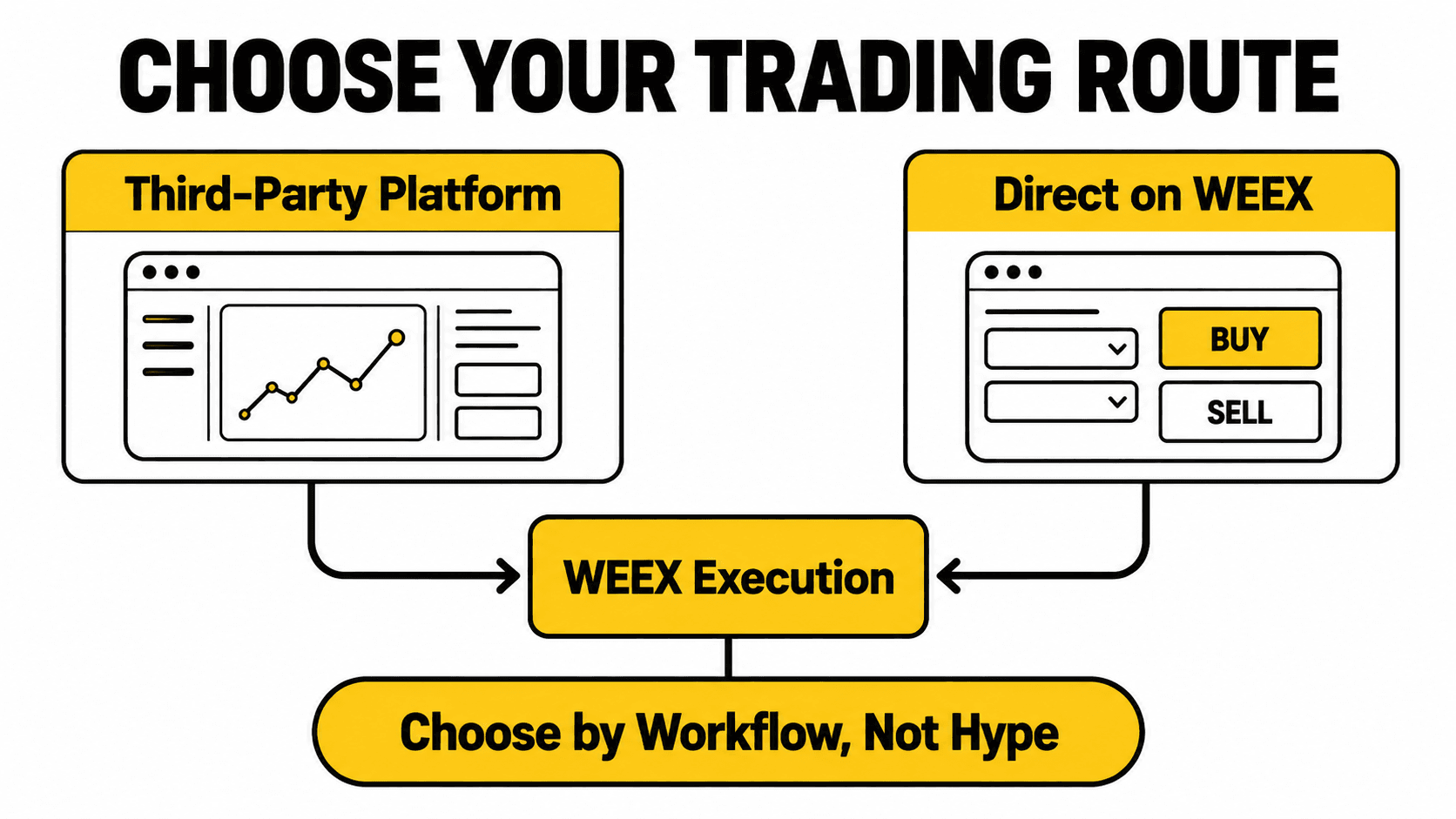
Third-Party Trading Platforms vs Direct WEEX Trading: Fees, Liquidity, Security, and Control
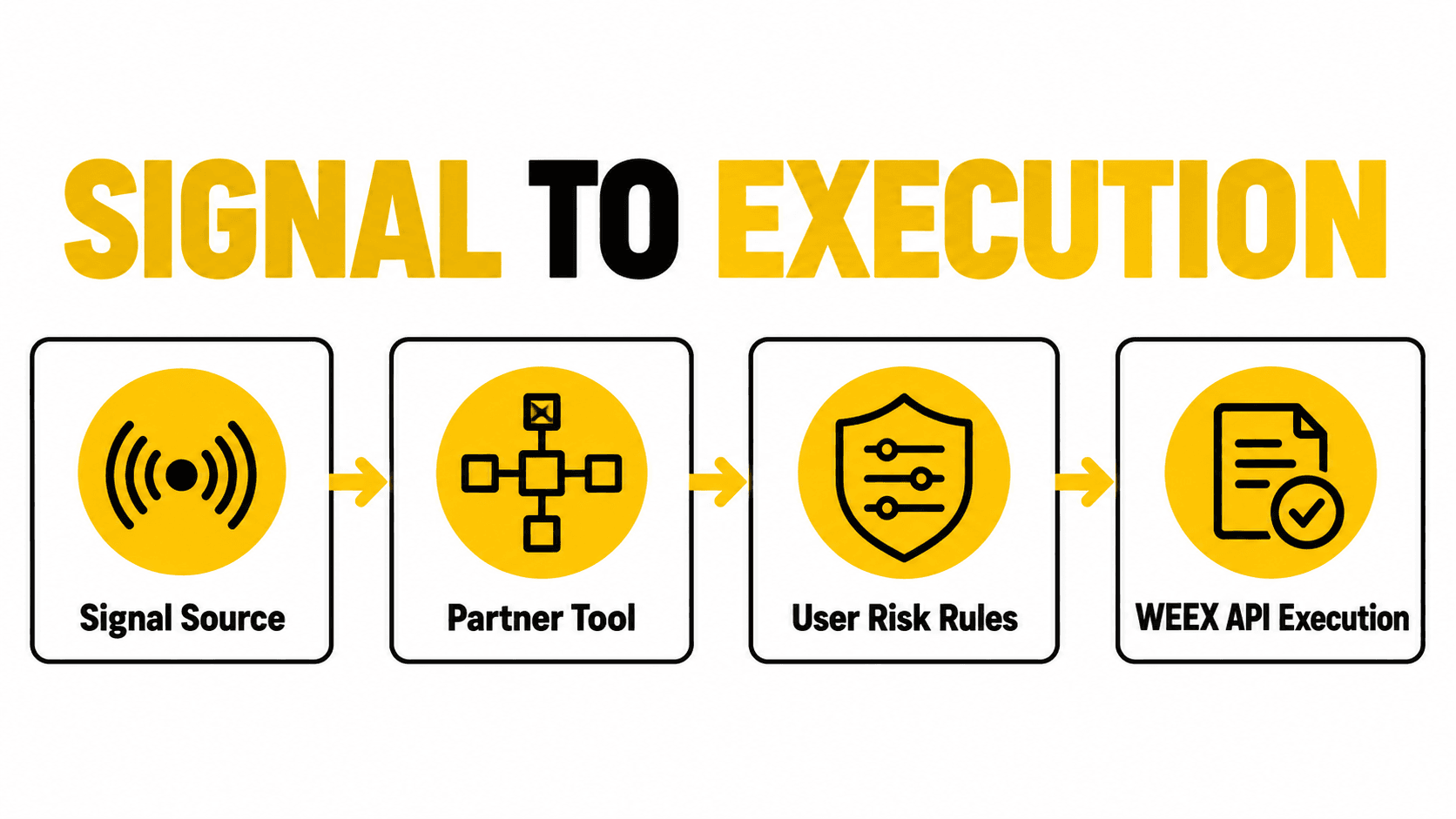
How Copy Trading, Signal, and Telegram Trading Tools Can Build With WEEX Broker
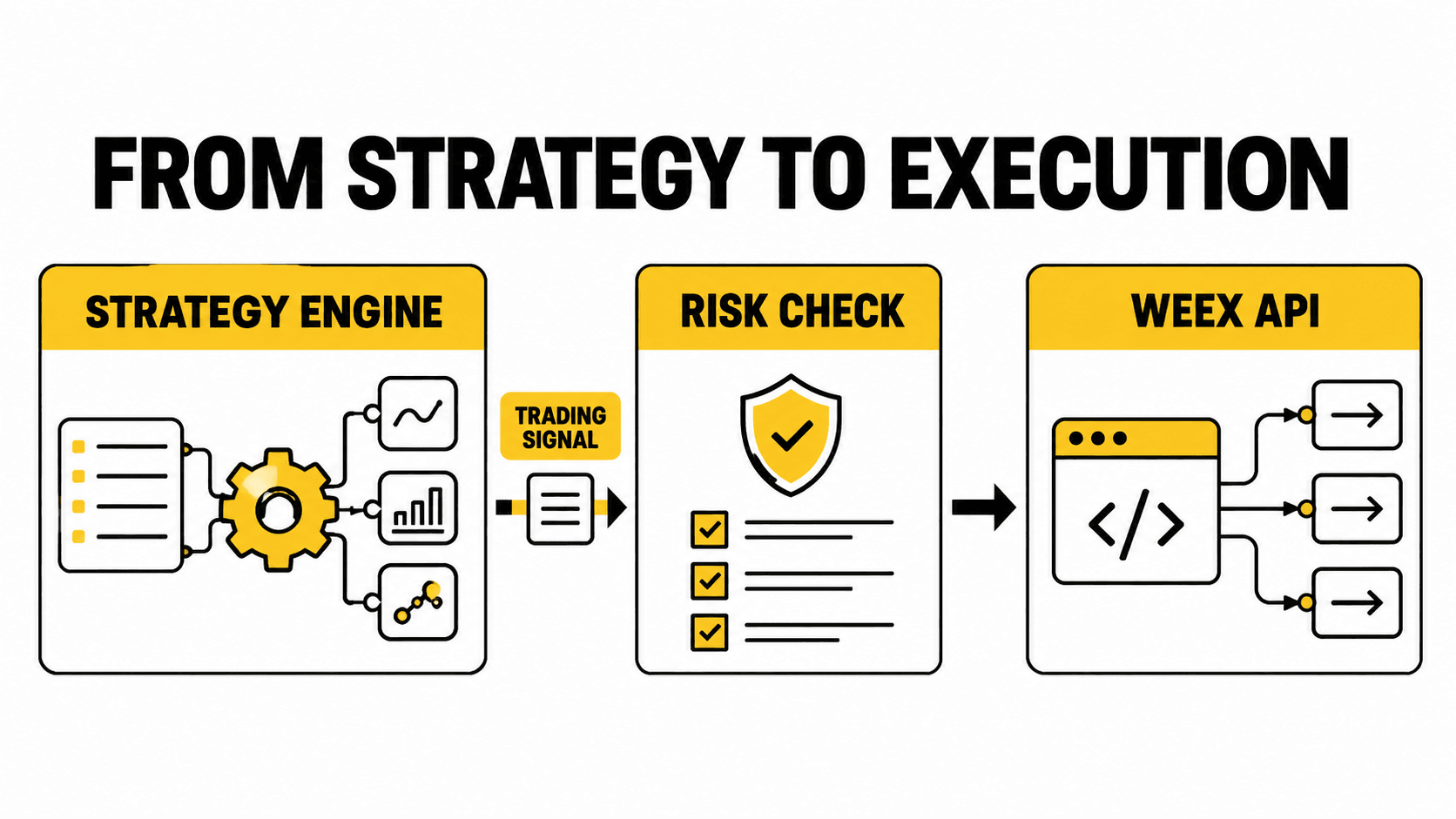
How Quant Trading Platforms and Bots Can Build With WEEX Broker
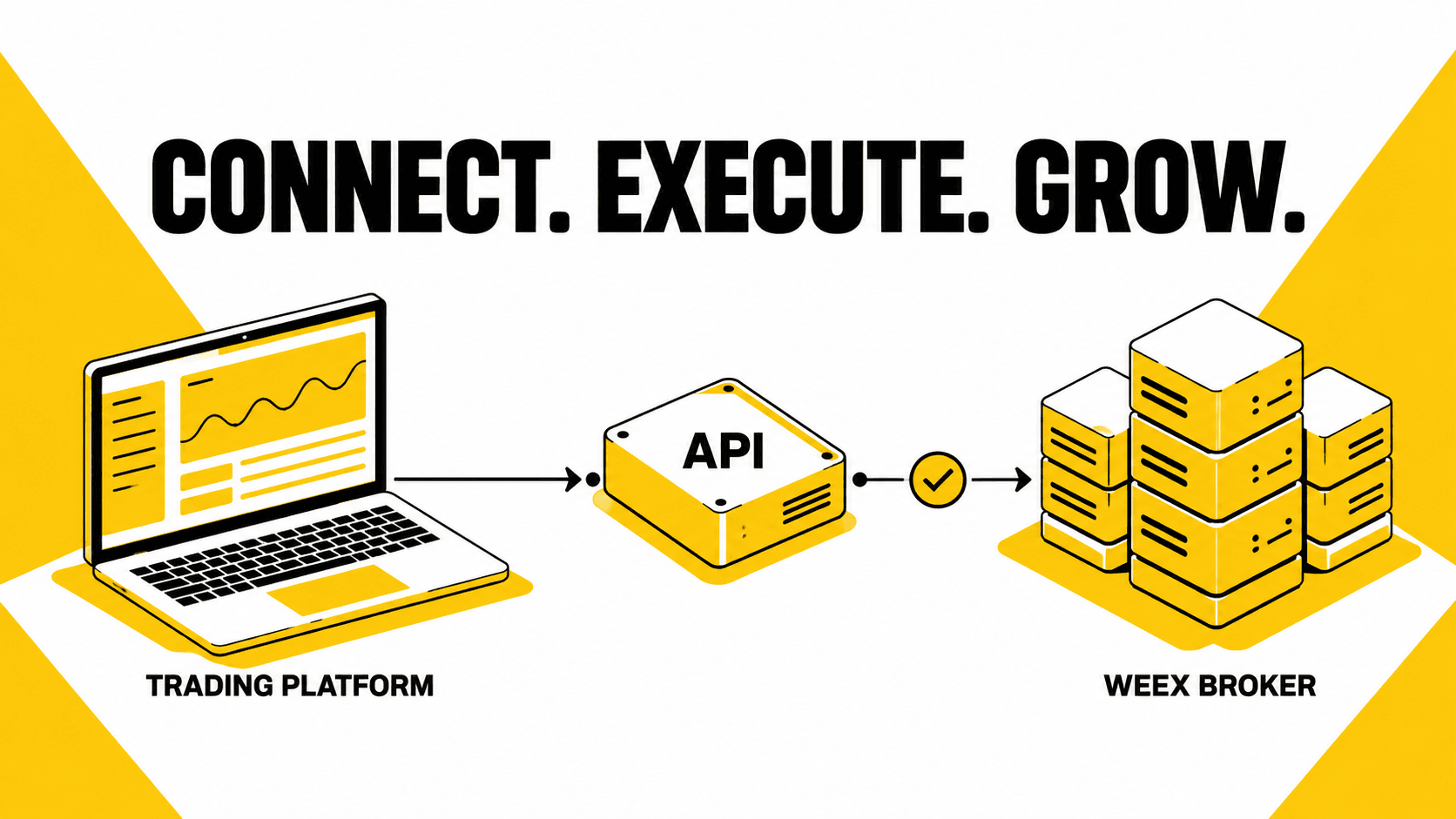
How Trading Platforms and Terminals Can Connect to WEEX Broker

How to Use an APR Boost on WEEX Auto Earn Without Wasting It
How to Buy Presale Crypto: Step by Step Guide for Beginners

Ethereum Glamsterdam Hits 200M Gas on Sepolia: What Changes After the Upgrade?

ENA Token Price Drops After October 5 Unlock: What Happened to Ethena?
How to Day Trade Crypto for Beginners: Do the Fee Math First
Anonymous Crypto Wallet: What Each One Hides and Where It Fails
What Is Blockchain and How Does It Work? One Real Payment Traced
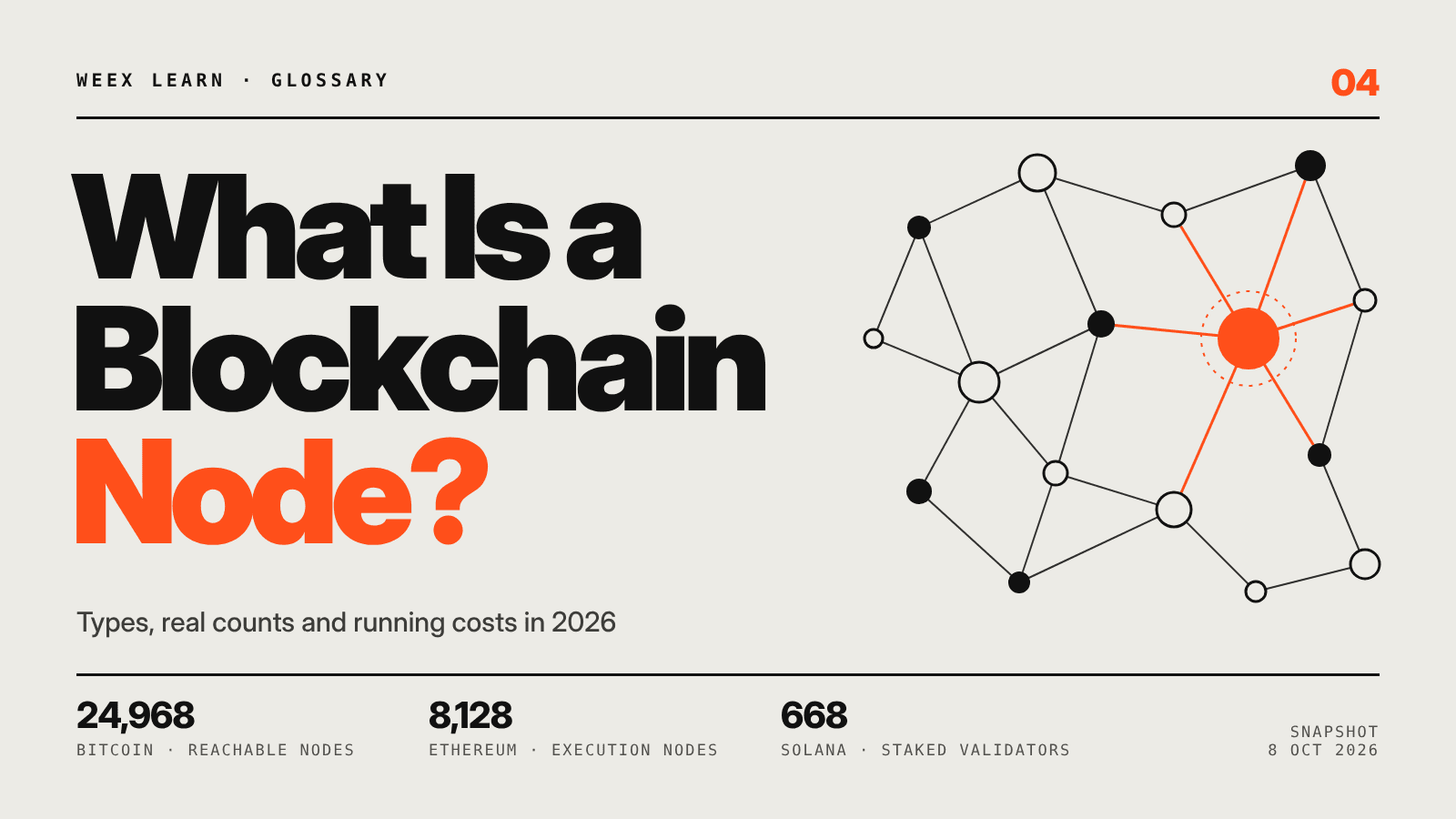
What Is a Blockchain Node? Types, 2026 Counts, and Real Costs
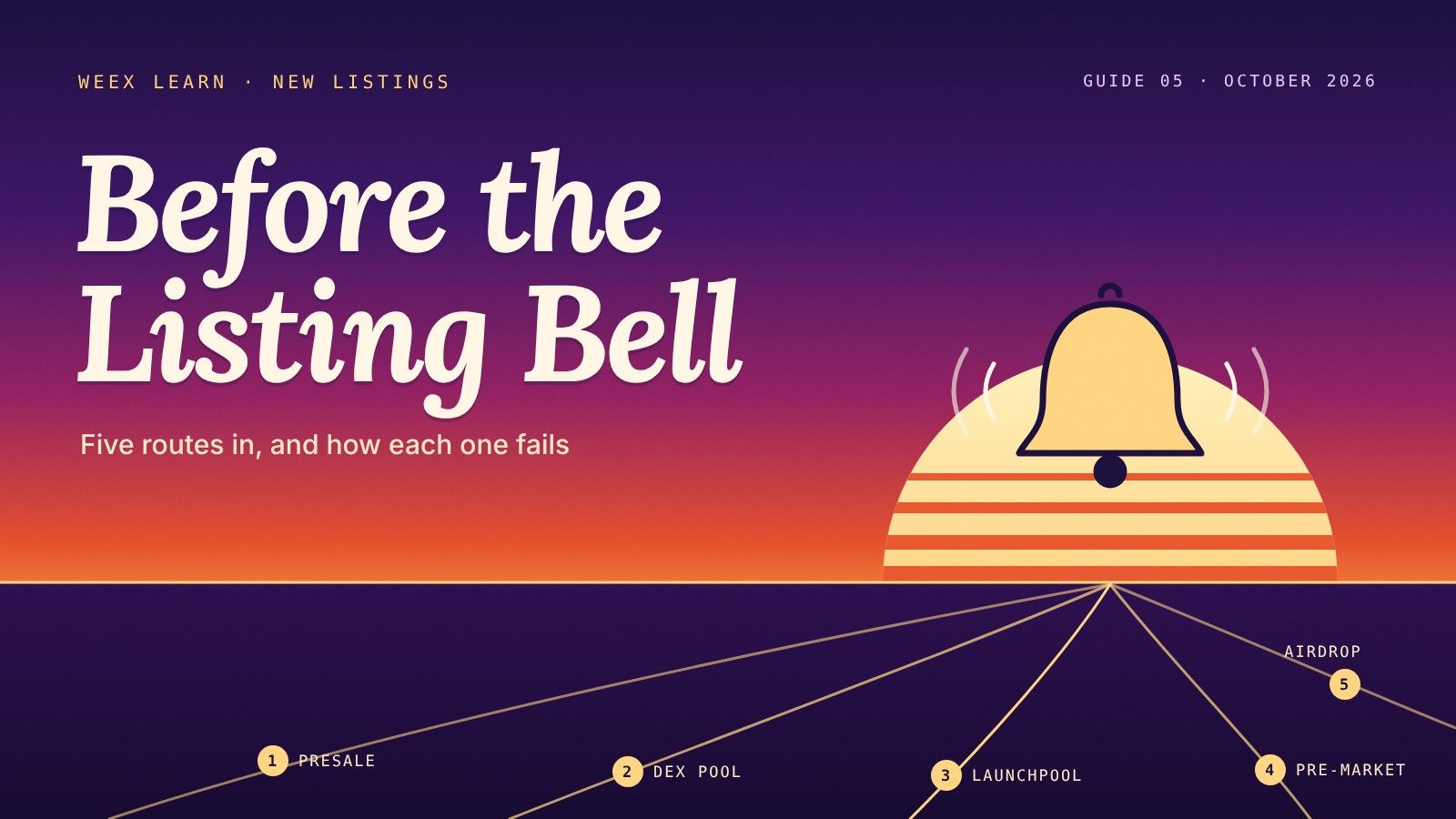
How to Buy New Crypto Before Listing: 5 Routes and Their Traps

What Is Staking? 4 Myths to Clear Up Before You Stake Crypto

TSMC Stock Outlook Ahead of Q3 Earnings: Can AI Demand Push Shares Higher?

Taiwan Stock Market Nears 50,000: Can the TAIEX Break the Milestone After the Holiday?

How to Buy USDT in Thailand: Payment Methods, Fees and Transfer Checks
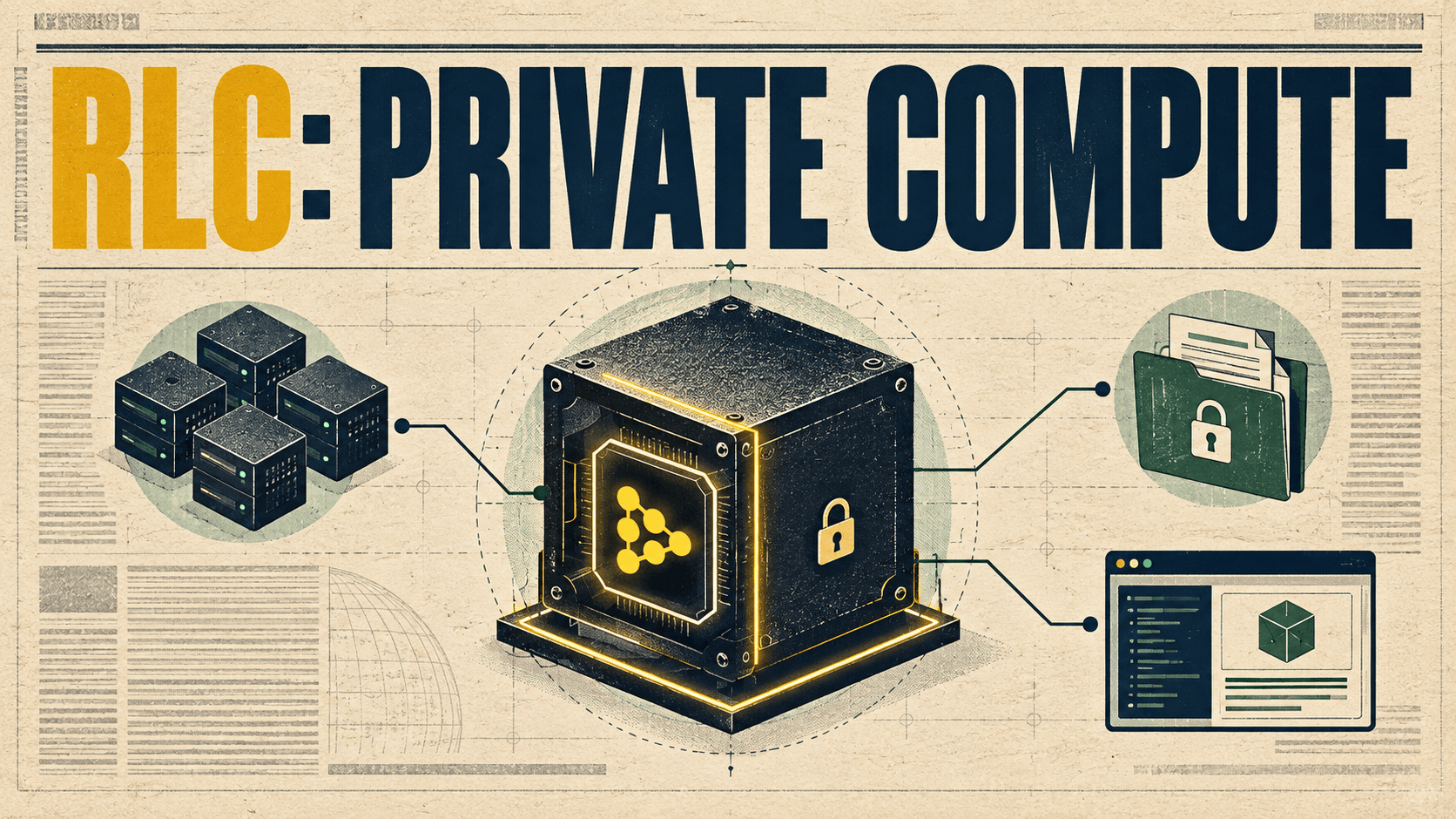
What Is RLC Crypto? How iExec (RLC) Powers Confidential Computing
What Is Blockchain Interoperability? How Cross-Chain Bridges and Messaging Work
How to Buy Crypto With a Prepaid Card: Step-by-Step Guide

What Is WEEX Fast Connect? How OAuth Connects Third-Party Trading Platforms
How Do WEEX Broker Commissions Work? Direct vs Indirect Commission Explained
Best Crypto Trading Strategies for Beginners: What to Know Before You Trade
WEEX API for Quantitative Trading: Use Cases, Market Data and Automated Trading
WEEX API Documentation: How to Get Started With the WEEX Trading API
What Is WEEX API? Features, Trading Tools and How It Works
WEEX Auto Earn vs Staking: Flexibility, APR, and Lock Terms
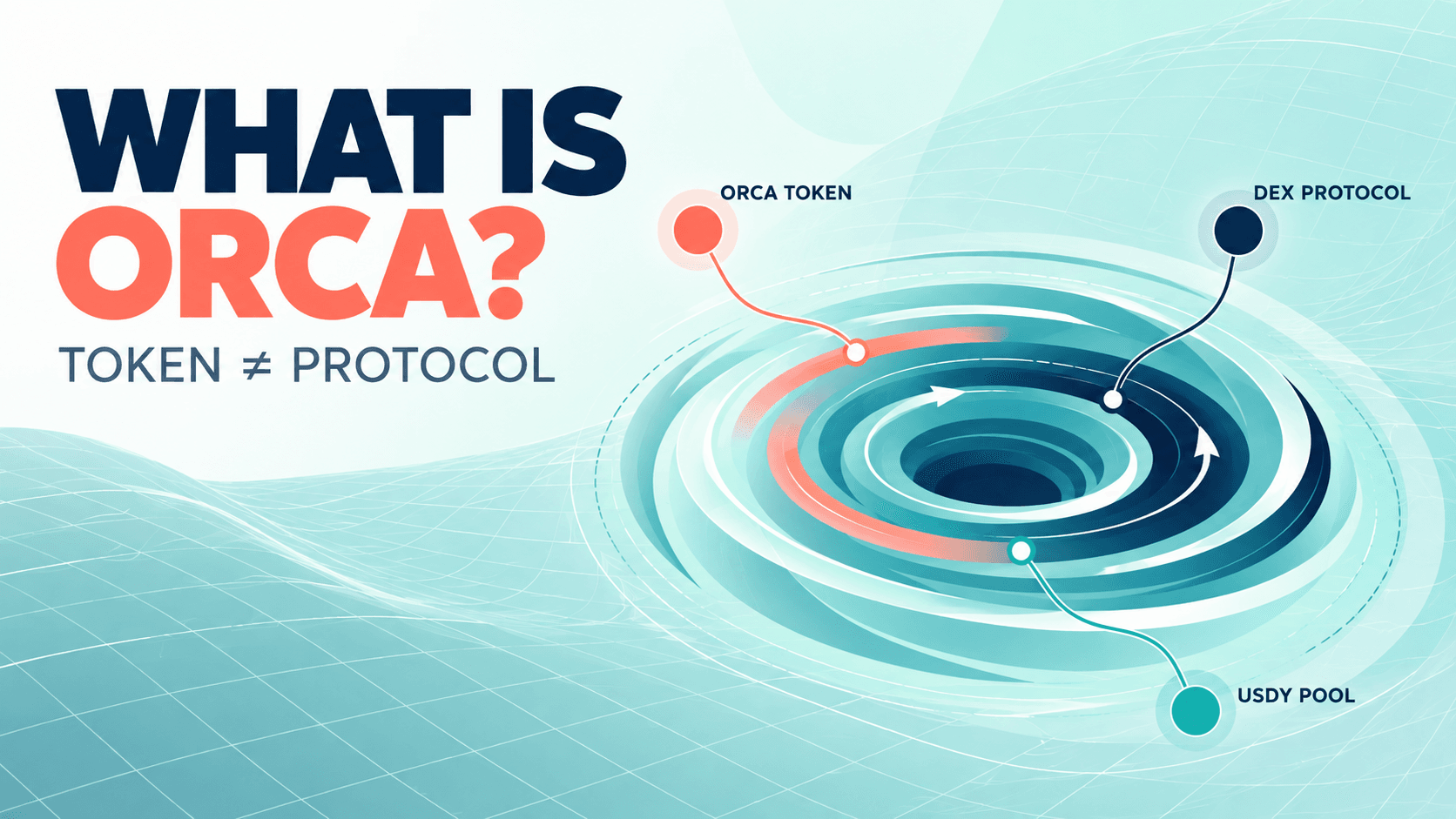
What Is Orca (ORCA) Crypto? The Solana DEX, USDY Liquidity, and the ORCA Name Confusion
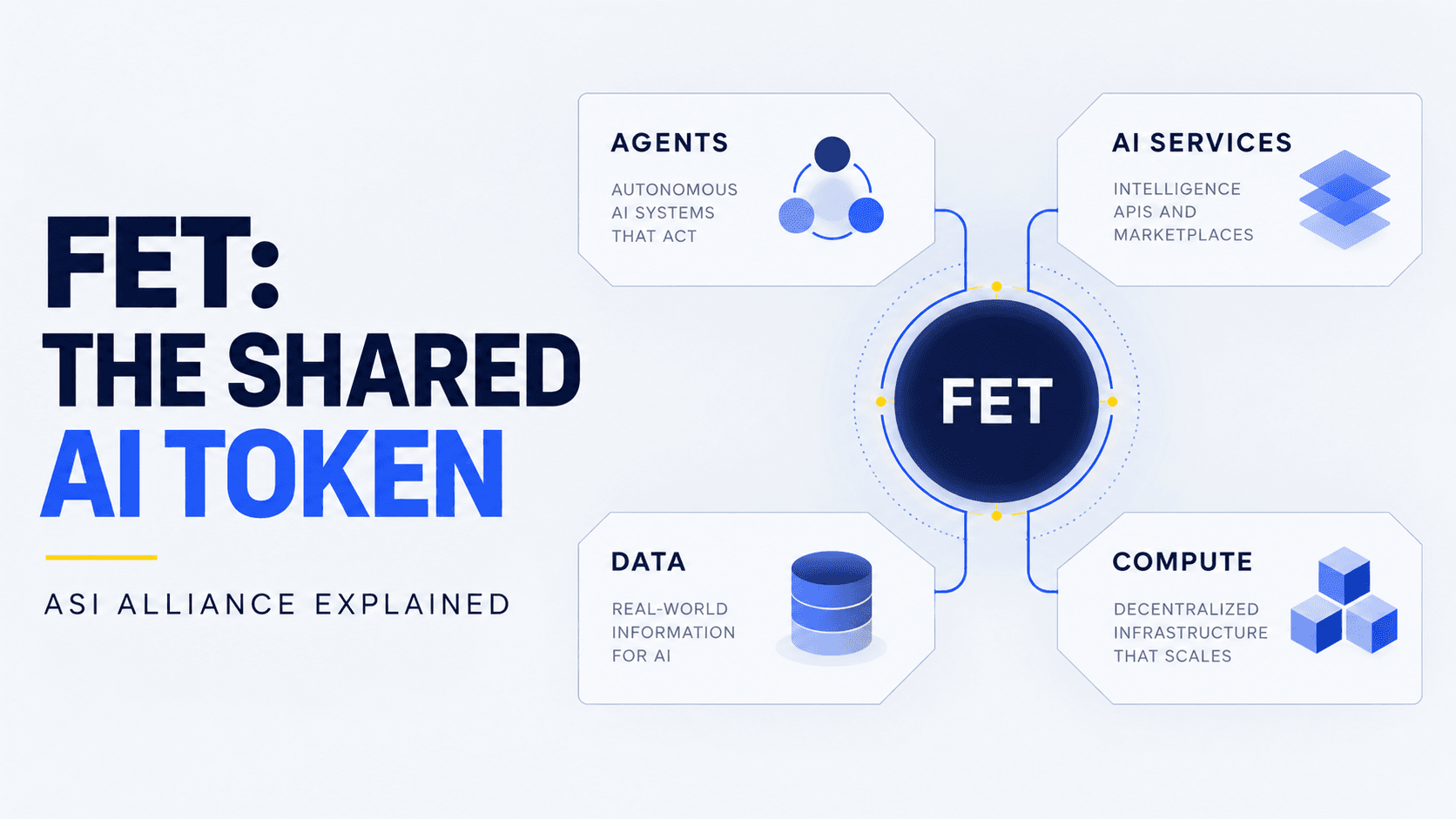
What Is Artificial Superintelligence Alliance (FET) Crypto? The ASI Token, Migration Status, and Real-World Demand Test
WEEX TOKEN2049 Day 1 Live Preview: Booth, MBTI and AI Demo
Third-Party Trading Platforms vs Direct WEEX Trading: Fees, Liquidity, Security, and Control
How Copy Trading, Signal, and Telegram Trading Tools Can Build With WEEX Broker
How Quant Trading Platforms and Bots Can Build With WEEX Broker
How Trading Platforms and Terminals Can Connect to WEEX Broker
How to Use an APR Boost on WEEX Auto Earn Without Wasting It
How to Buy Presale Crypto: Step by Step Guide for Beginners





