
How Trading Platforms and Terminals Can Connect to WEEX Broker

 Prefer us on Google


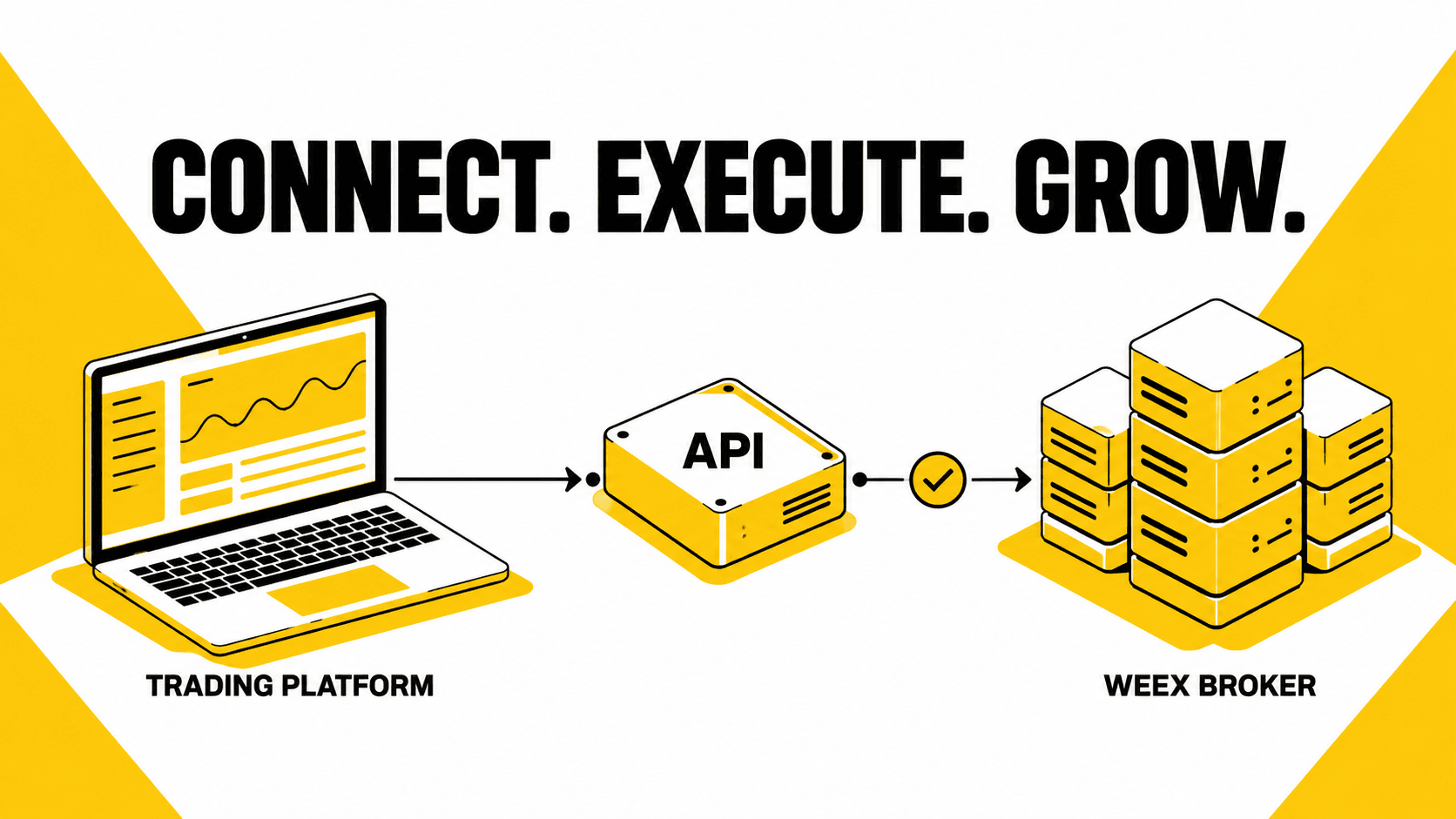
WEEX Broker enables trading platforms, terminals, and professional service providers to connect their products to WEEX through API integration. Approved partners receive a unique Broker ID, which is included in qualifying API orders so trading activity can be attributed correctly and commissions can be calculated under the applicable broker terms.
At WEEX, we believe a broker integration should do more than add another exchange logo to a terminal. The durable model is one in which a platform retains control over its product experience while its users gain access to deep liquidity, reliable execution infrastructure, and a commission framework that recognizes the value created by the platform.
What Is WEEX Broker?
WEEX Broker is designed for professional partners that offer trading products or services through API integration. This can include trading terminals, strategy platforms, quantitative tools, trading-bot providers, social trading products, and other professional services that help users research, manage, or execute trades.
Rather than operating as a standard referral-only model, the broker program is built around actual order attribution. Once a partner is approved, WEEX provides a Broker ID. The partner includes that ID in API order requests according to the integration requirements. This allows eligible trades placed through the partner’s product to be recognized within the WEEX broker framework.
For a platform, this matters because the integration is connected to a real product workflow. A trader can discover a market, make a decision, configure an order, and execute through the platform interface—while the trading relationship remains traceable.
Why Trading Terminals Need More Than Market Data
A trading terminal is only as useful as the path between analysis and execution. Charts, watchlists, alerts, and order-entry tools can improve a trader’s process, but their value falls away if the execution route is fragmented, unclear, or difficult to measure.
A strong terminal integration should answer four practical questions:
- Can users access the markets relevant to their strategy?
- Can the platform submit orders reliably through an API workflow?
- Can the platform identify which trading activity came through its product?
- Can the business model remain transparent as the platform grows?
WEEX Broker is designed to support that connection. Our broker page highlights API integration, dedicated support, real-time commission tracking, and configurable risk controls as core parts of the proposition. We also provide a broker backend and data dashboard for partners that need visibility into activity and commissions.
How the Broker ID Supports Order Attribution
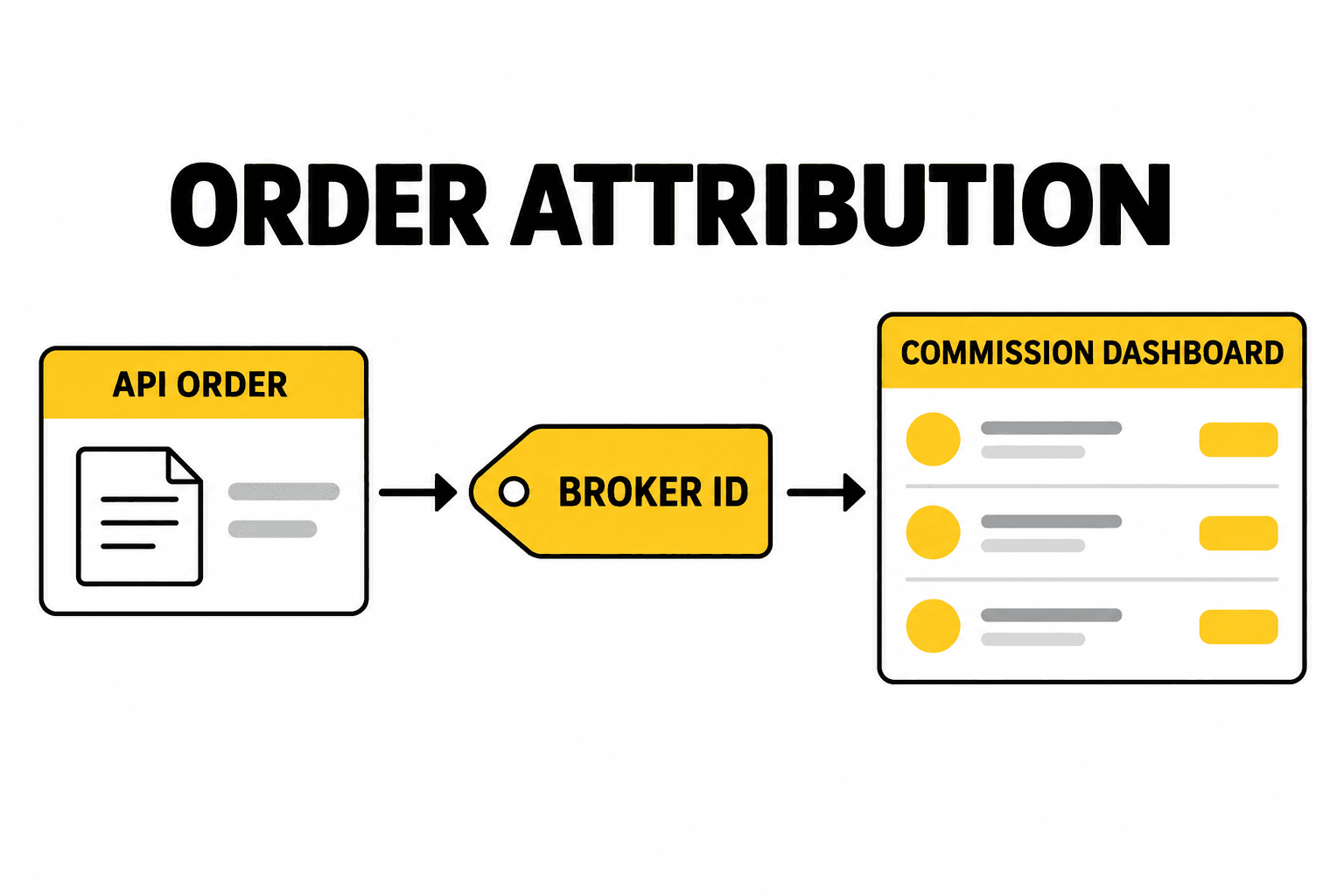
The Broker ID is the operational layer that separates a genuine product integration from a generic traffic referral.
After approval, a partner receives a unique Broker ID. When the platform submits API orders, that ID must be included according to WEEX’s integration rules. Eligible orders can then be attributed to the broker for commission calculation.
This creates a clearer structure for trading platforms and terminals:
| Integration Step | What the Partner Does | Why It Matters |
|---|---|---|
| Apply | Submit broker application information and complete review | Establishes the partnership framework |
| Receive Broker ID | Obtain a unique ID after approval | Creates a specific attribution identifier |
| Integrate API | Connect the product to WEEX API requirements | Enables the trading workflow |
| Include Broker ID | Pass the ID in qualifying order requests | Allows eligible order attribution |
| Monitor Activity | Review volume and commission data | Helps evaluate product usage and growth |
Orders with a missing, incorrect, or improperly configured Broker ID may not qualify for the relevant broker commission. That is why technical implementation should be treated as a business-critical requirement, not an administrative detail added after a product launches.
-- Price
A Better Fit for Terminals, Platforms, and Strategy Products
Different partners can use the WEEX Broker model in different ways. A professional terminal may focus on fast order entry and market monitoring. A strategy platform may focus on signal generation, portfolio logic, or rule-based execution. A quantitative tool may need a more programmatic connection between its models and a live trading environment.
The common requirement is not a specific interface. It is the ability to connect a user-facing product to an execution venue in a way that is measurable and operationally clear.
For example, a trading terminal can integrate WEEX access beside its charts and alerts. A quantitative platform can build a workflow in which approved users connect their own API credentials and execute strategy-defined orders. A research product can evolve from delivering signals to enabling an optional execution route for users who want to act on those signals.
The right implementation depends on the product. We do not expect every partner to offer the same workflow, and we do not believe every partner should. What matters is that the API connection, user permissions, order handling, and Broker ID attribution are designed deliberately.
What Does WEEX Provide to Broker Partners?
WEEX Broker combines technical access with operational support for partners building trading-facing products.
According to the current broker program information, partners can access API integration support, a Broker ID for order attribution, tier-based commission arrangements, and commission coverage for eligible direct and indirect user relationships. The same broker commission rates apply to qualifying spot and futures trading activity under the program terms.
The broker page also lists several partner-facing tools and services:
- A commission dashboard for tracking activity and commissions
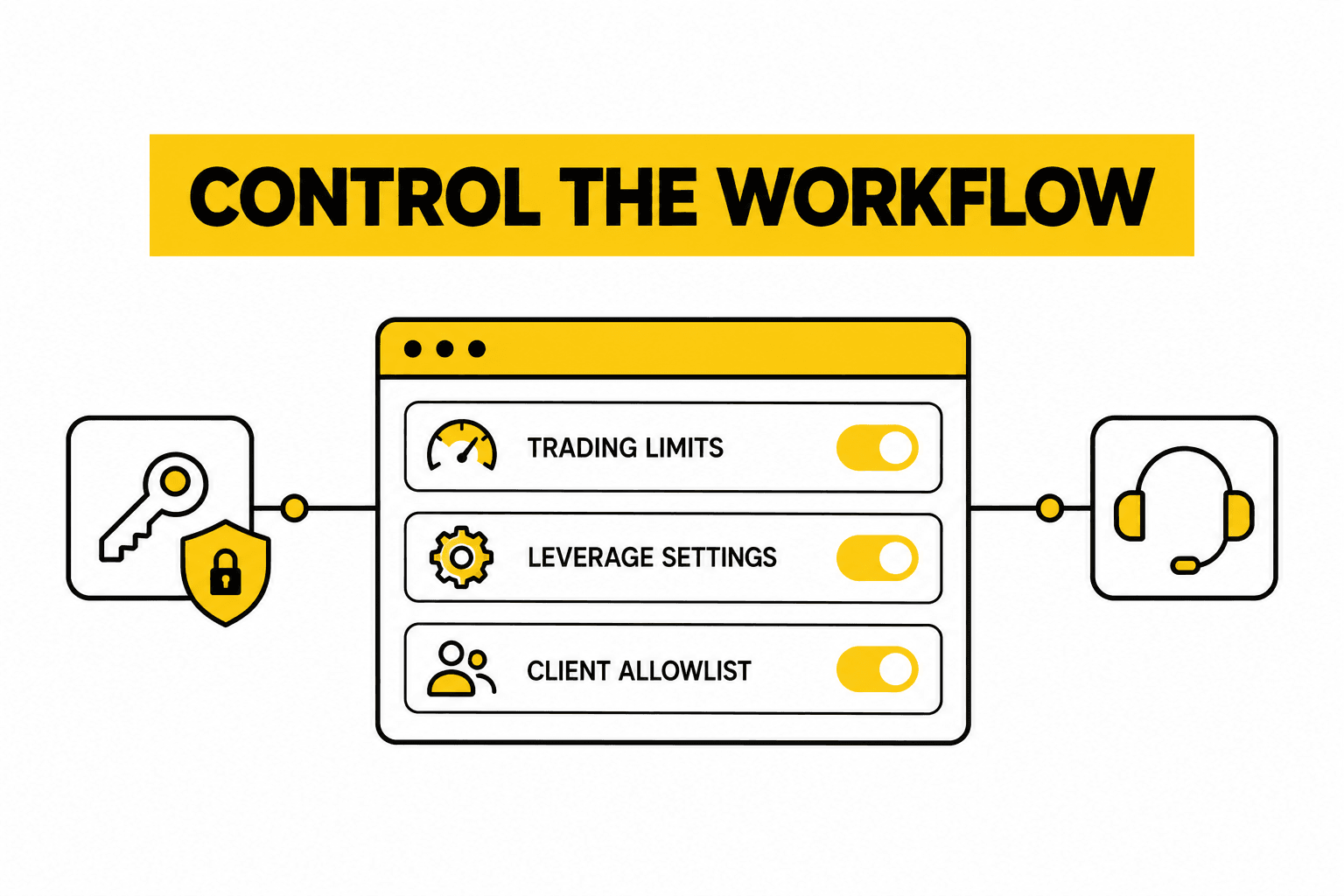
- Customizable risk controls, including trading limits, leverage settings, and client allowlists or blocklists
- Flexible commission settlement options in USDT, BTC, and other major cryptocurrencies
- A dedicated onboarding channel, with the page stating a one-working-day approval target
- Co-branded event and growth-support opportunities for eligible partners
These features are not a replacement for a platform’s own compliance, security, or product responsibilities. They are the infrastructure layer that can help a partner build a more complete trading experience.
Direct Commission and Indirect Commission: The Practical Difference
The broker program distinguishes between direct and indirect commission scenarios.
Direct commission generally applies to users who join through the broker’s own referral relationship, as well as eligible users without an existing inviter relationship. Indirect commission can apply when a user already has another referral relationship but uses the broker’s product, tool, strategy, or API service for trading.
This distinction is valuable for established platforms. A product should not have to rely only on acquiring entirely new users to create a viable partnership model. If an existing WEEX user chooses to trade through a platform because that platform provides meaningful utility, the integration can still have a recognized role—subject to the current program rules and correct Broker ID attribution.
Commission tiers and applicable terms may be reviewed over time, so partners should always confirm the latest program terms during onboarding rather than building a commercial forecast around an assumed rate.
What Should a Trading Platform Prepare Before Applying?
The most successful integrations begin with a clear use case. Before applying, a partner should be able to explain what its product does, who its users are, and where WEEX execution fits in the user journey.
A practical preparation checklist includes:
- Define the product workflow.
Specify whether users will trade through a terminal, strategy tool, bot interface, signal product, or another service. - Design API-key permissions carefully.
Use the minimum permissions needed for the intended workflow. Never make broad withdrawal permissions part of a standard trading integration unless there is a specific, approved operational reason. - Map the order lifecycle.
Identify how the product will create, amend, cancel, and confirm orders, and how it will communicate errors or partial execution to the user. - Plan Broker ID handling before launch.
Treat order attribution as part of the core integration rather than an afterthought. - Build user disclosure into the experience.
Make clear when a user is interacting with your platform’s strategy or interface and when an order is being sent for execution through WEEX. - Contact the WEEX team with the implementation context.
The more specific a partner’s product and user flow are, the easier it is to assess the appropriate integration path.
How to Start a WEEX Broker Integration
Partners can begin at the WEEX Broker page, which outlines the program and provides an application route.
The onboarding process described in the current program materials is:
- Create a WEEX account and apply through the broker process.
- Submit the required broker application information.
- Complete the WEEX review and receive a unique Broker ID after approval.
- Integrate according to the WEEX API requirements.
- Include the Broker ID in qualifying API order requests.
- Complete testing before taking the integration live.
For technical partnership discussions, broker-program materials list api@weexbusiness.com as a contact channel. Partners should also review the current WEEX Broker Program and Commission Structure, because commission eligibility depends on the latest rules, system records, and agreed terms.
WEEX Editorial View: Build the Product First, Then the Channel
The weakest integrations treat exchange connectivity as a marketing feature. They add a venue, announce a partnership, and leave users to work out why the connection improves their actual trading process.
We take the opposite view. The product logic should come first. A terminal should make order entry clearer. A strategy tool should make rules more testable. A signal platform should make the move from analysis to execution more transparent, not more opaque. When that value exists, the Broker ID and commission structure create a sensible commercial layer around genuine user utility.
For trading platforms, the question is not simply whether to integrate an exchange. It is whether the integration makes the product more useful, more accountable, and easier for users to understand. That is the standard we want WEEX Broker partnerships to meet.
Sources
- WEEX, WEEX Broker: Crypto Brokerage & API Solutions, accessed October 9, 2026.
- WEEX Help Center, WEEX Broker Program and Commission Structure, accessed October 9, 2026.
This content is provided for general informational purposes only and doesn't constitute financial, investment, legal, or tax advice. Any events, rewards, online promotions, or related information mentioned herein should not be considered a recommendation, solicitation, or invitation to purchase, sell, trade, or otherwise deal in any crypto assets. Crypto assets are highly volatile and may result in loss. The availability of WEEX services, products, and related events may vary by region. You are responsible for ensuring that your participation is in accordance with applicable local laws and regulations.
You may also like
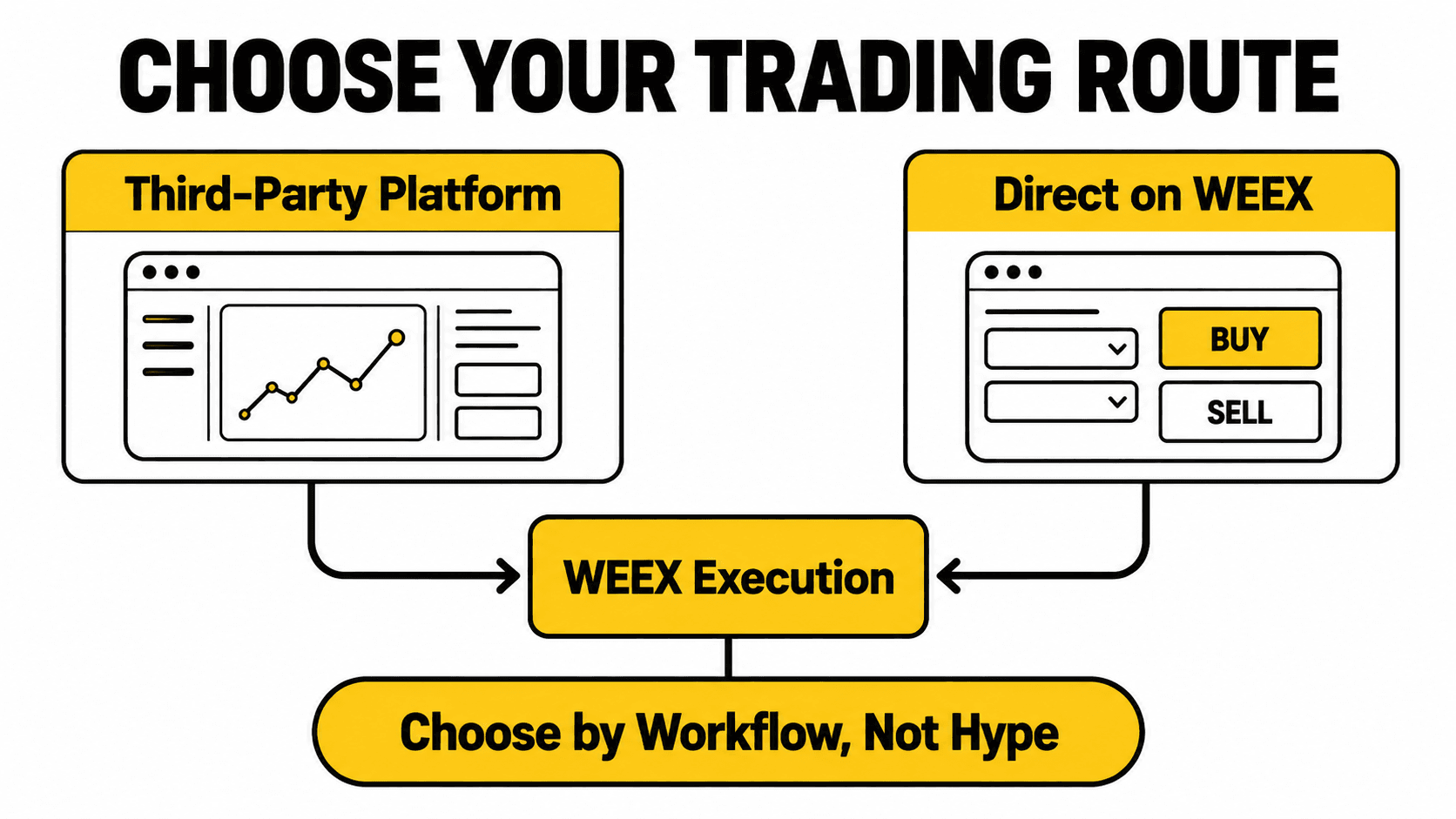
Third-Party Trading Platforms vs Direct WEEX Trading: Fees, Liquidity, Security, and Control
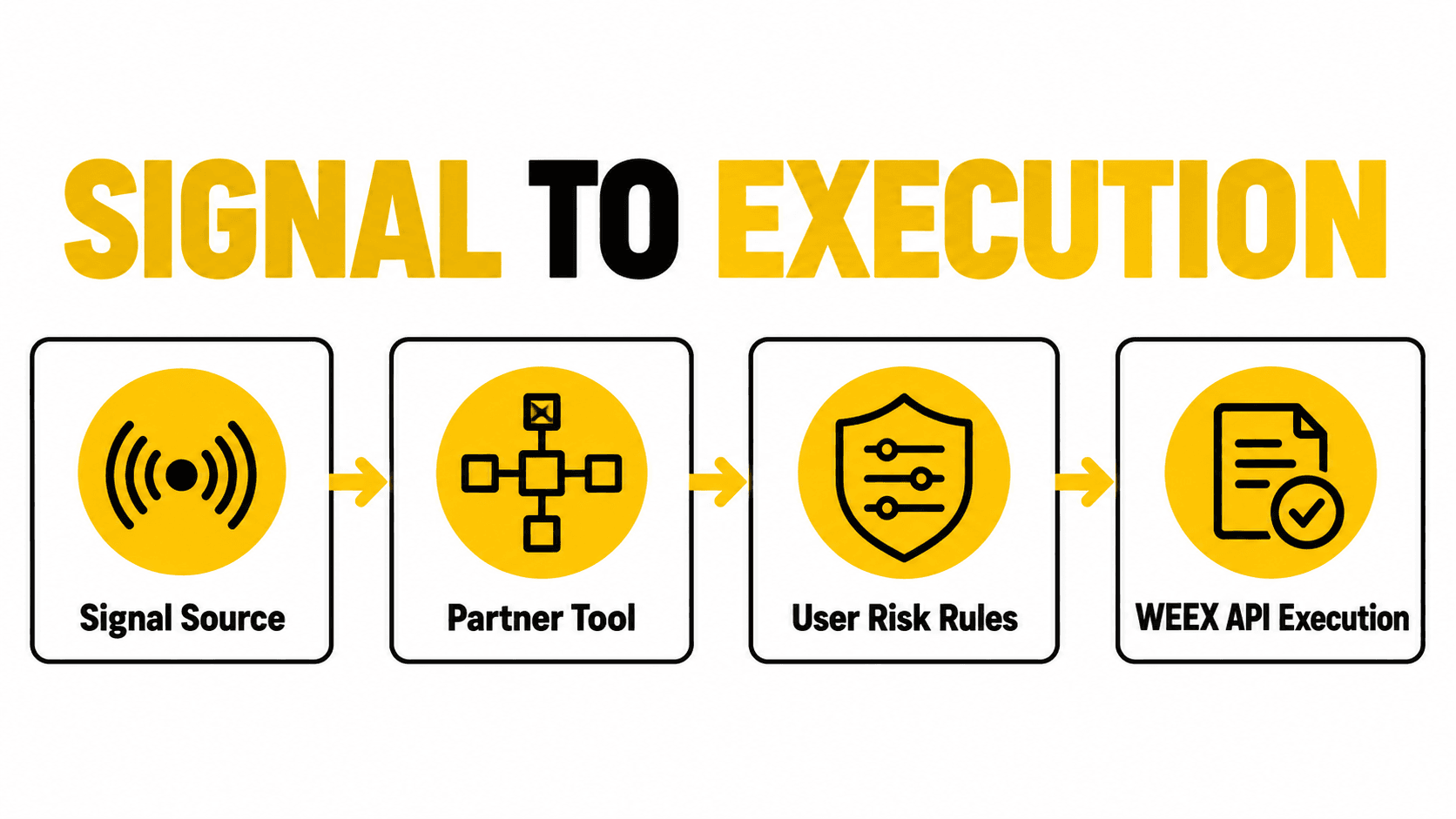
How Copy Trading, Signal, and Telegram Trading Tools Can Build With WEEX Broker
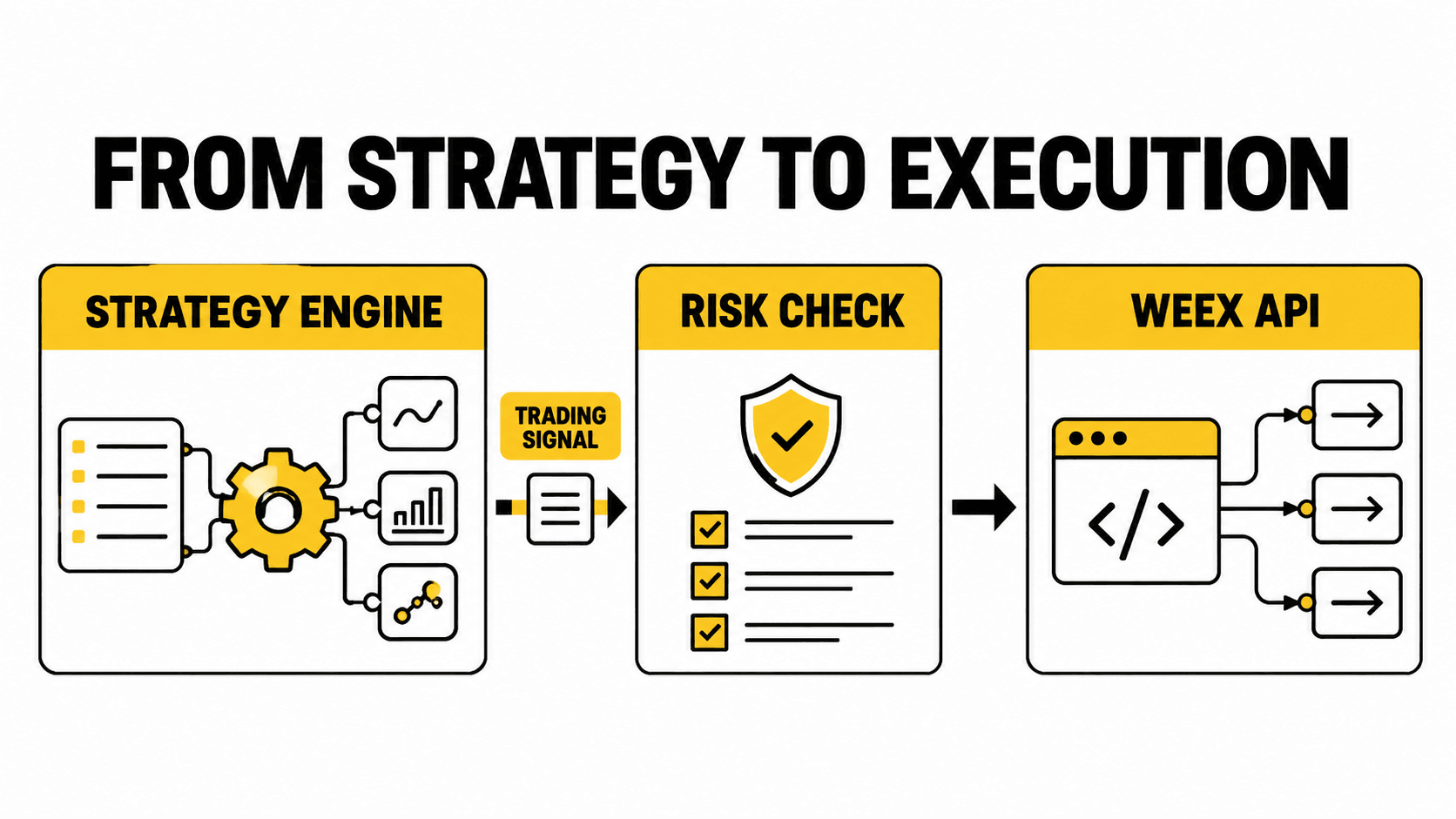
How Quant Trading Platforms and Bots Can Build With WEEX Broker

How to Buy USDT in Thailand: Payment Methods, Fees and Transfer Checks

What Is RLC Crypto? How iExec (RLC) Powers Confidential Computing

What Is WEEX Fast Connect? How OAuth Connects Third-Party Trading Platforms
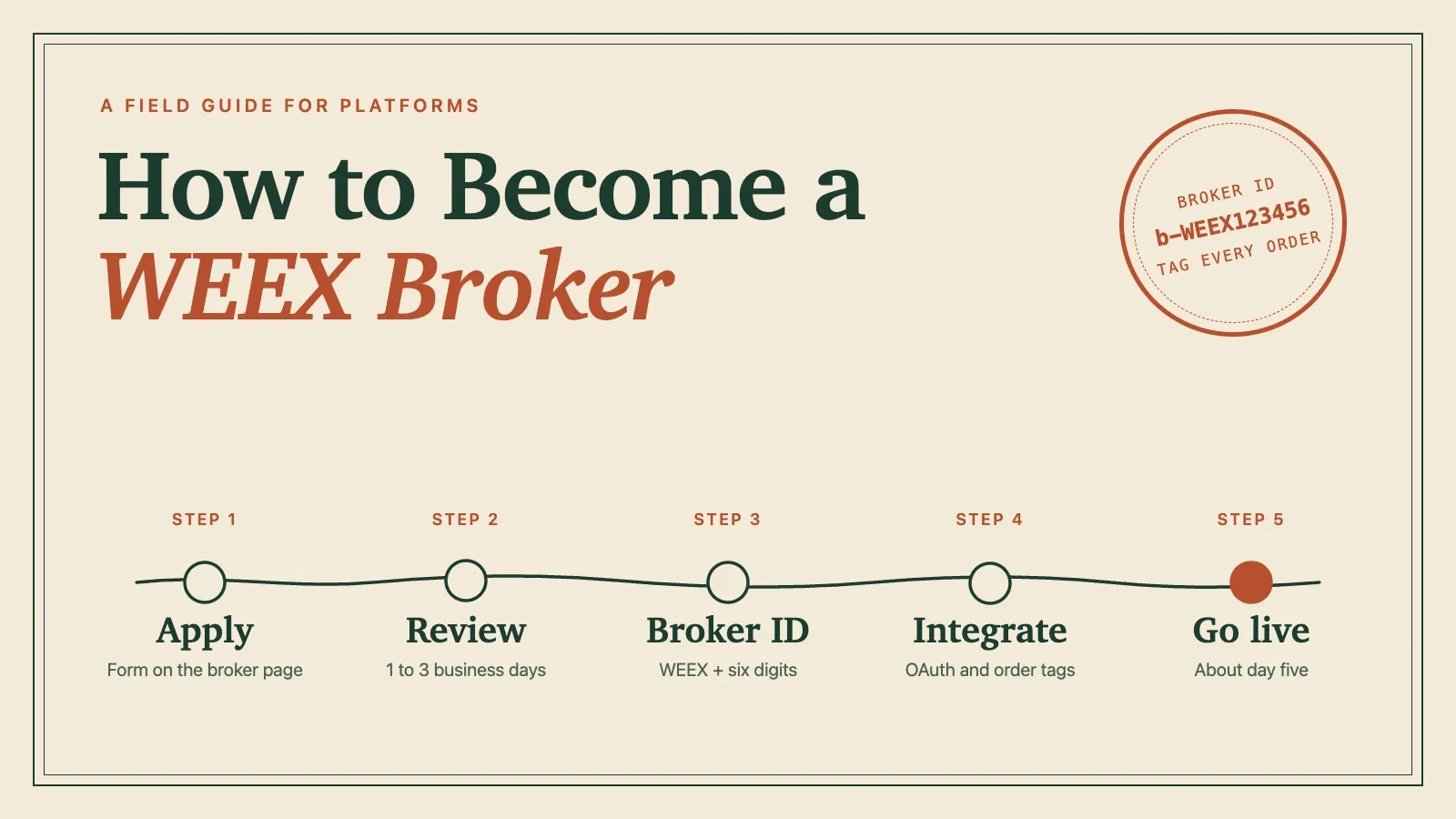
How to Become a WEEX Broker: Application, API Setup and Go-Live
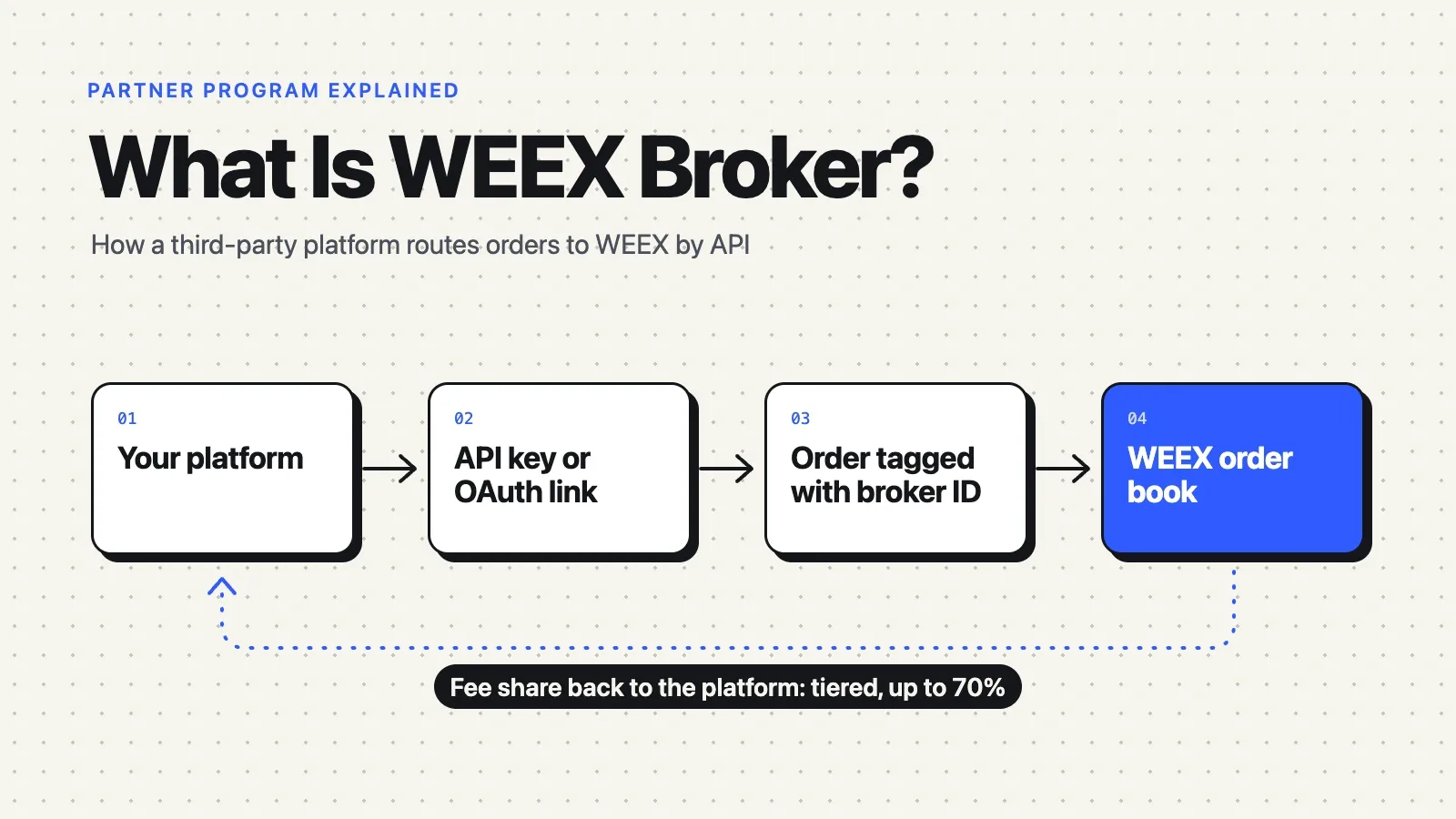
What Is WEEX Broker? API Program, Commissions and How It Works
CAP Price Up 23%: Why Short Liquidations Don't Explain the Rally
WEEX TOKEN2049 Day 2 Live Preview: KOLs, AWS, PingCAP and Andrew
Why Does Bitcoin (BTC) Drop? How to Read a BTC Liquidation Heatmap Without Guessing the Bottom
What Is a Decentralized Crypto Exchange (DEX)? How It Works, Costs, Risks, and When to Use One
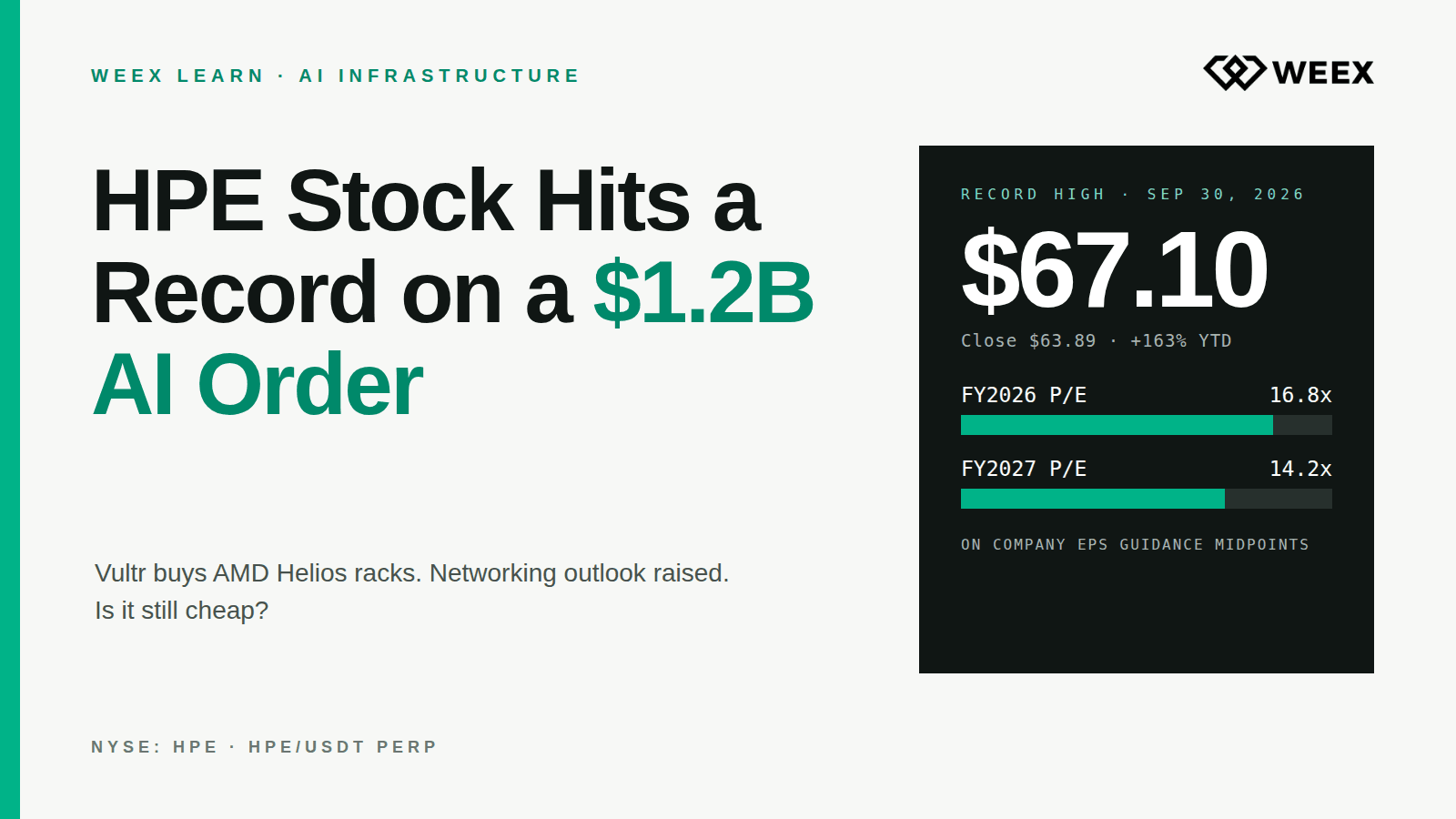
HPE Stock Hits a Record on $1.2B AI Order: Is It Still Cheap?
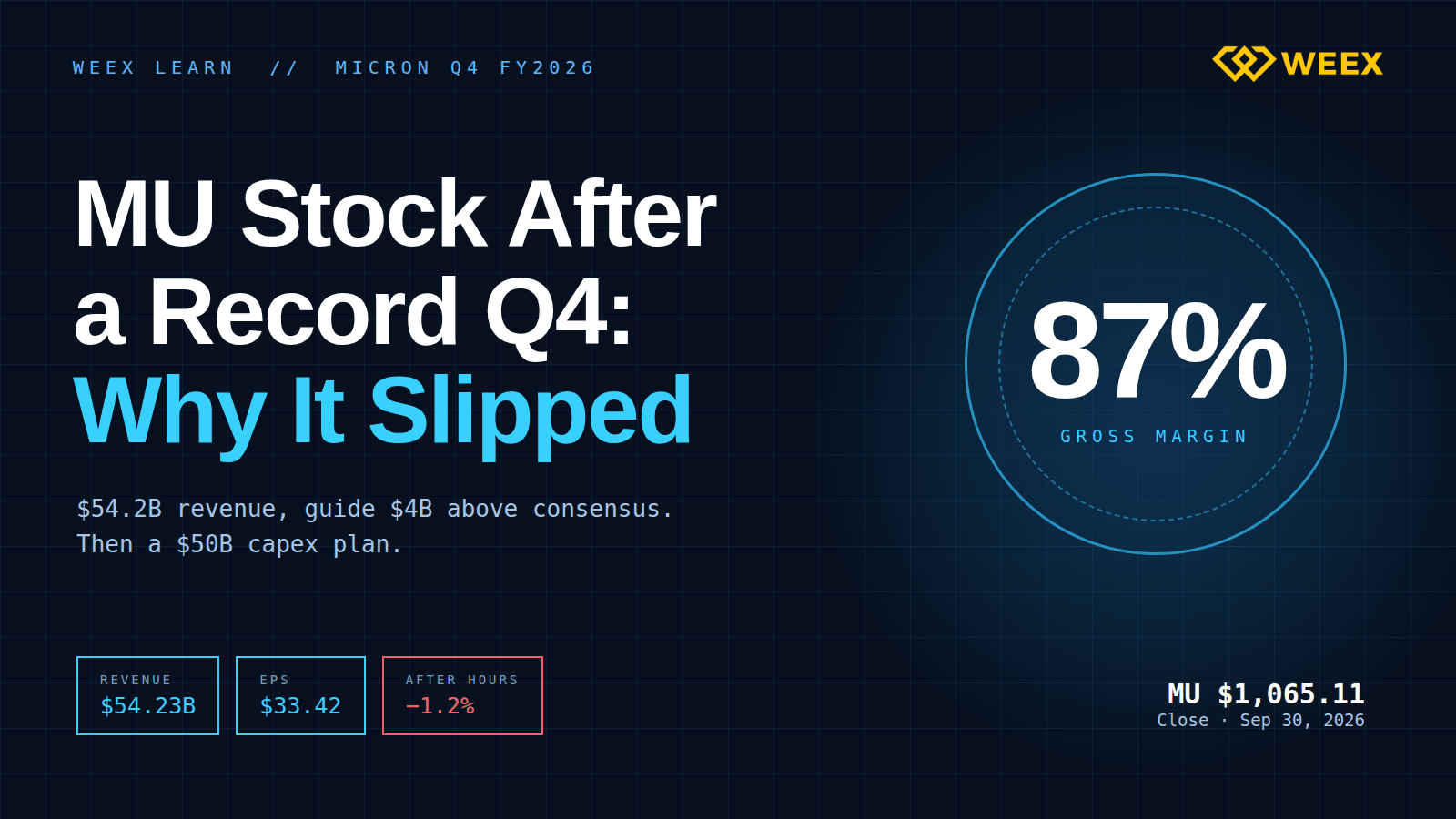
MU Stock After a Record Q4: Why Micron Slipped on a Huge Beat
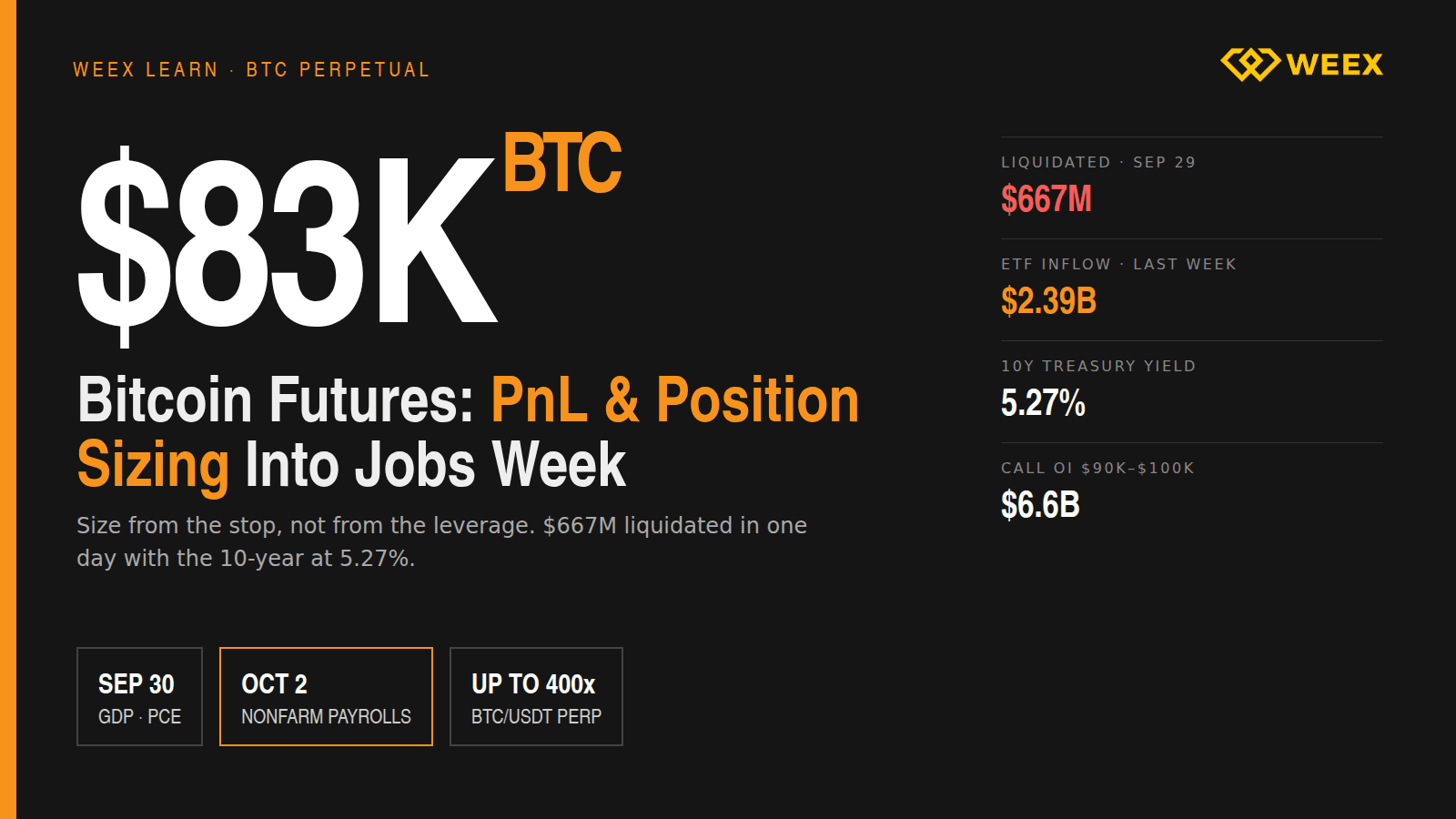
Bitcoin Futures at $83K: PnL and Position Sizing Into Jobs Week
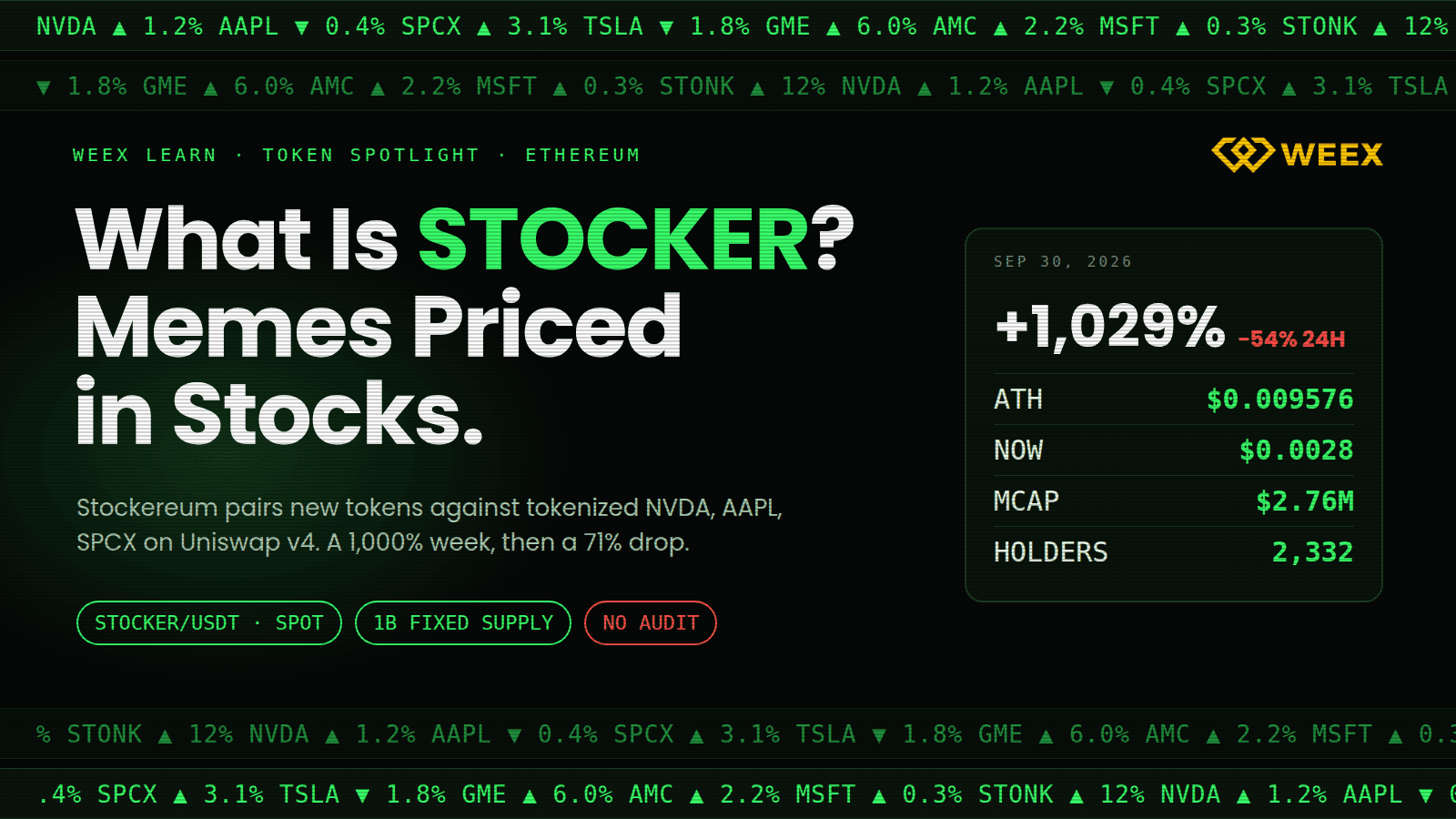
What Is STOCKER? Stockereum, Stock-Paired Meme Tokens, and Risks
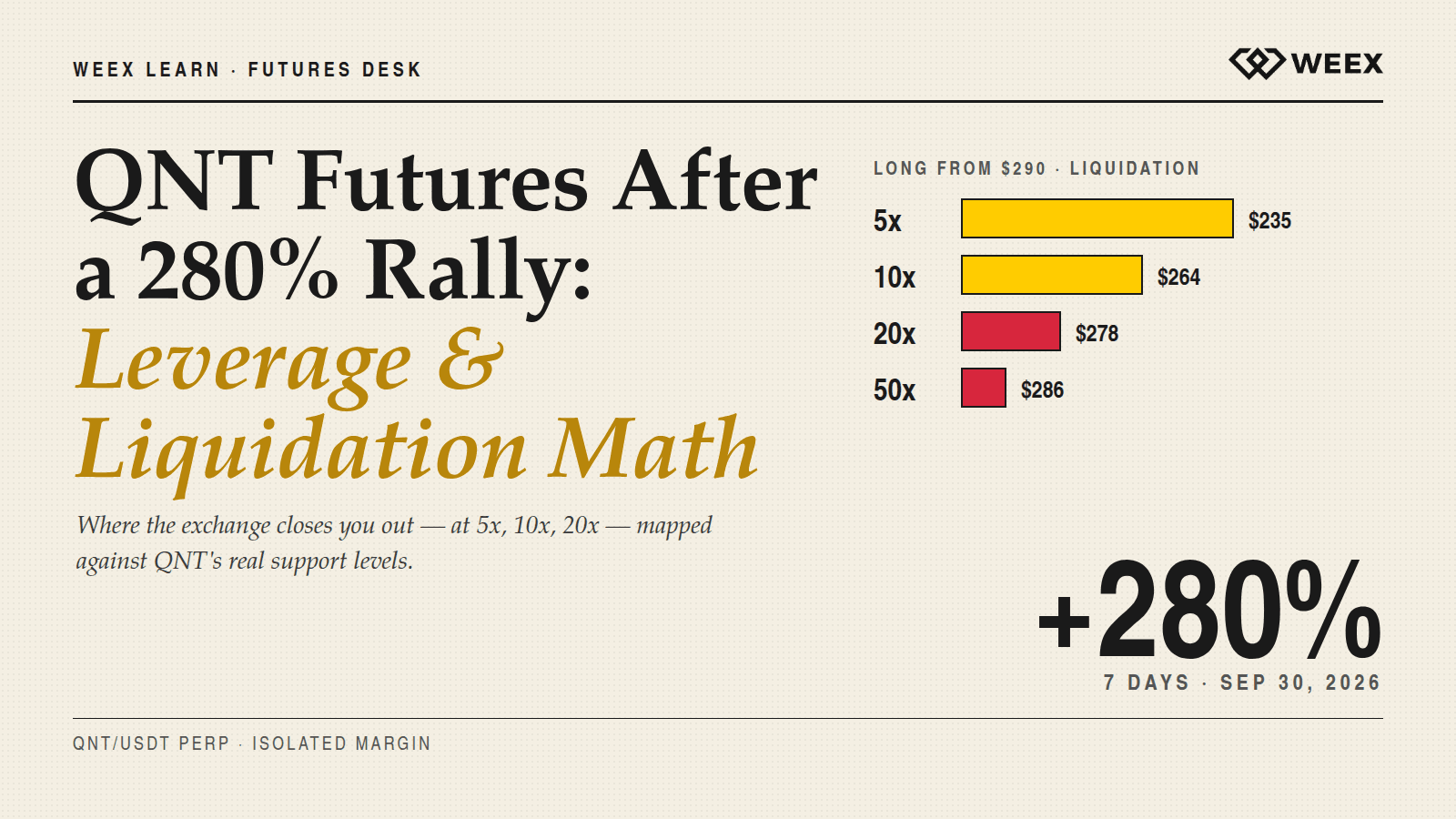
QNT Futures After a 280% Rally: Leverage and Liquidation Math
WIF and POPCAT Price Rally: Can the Solana Meme Rotation Hold?
Is QNT a Stock or Crypto? Quant (QNT) and Quantinuum Stock Are Not the Same Asset
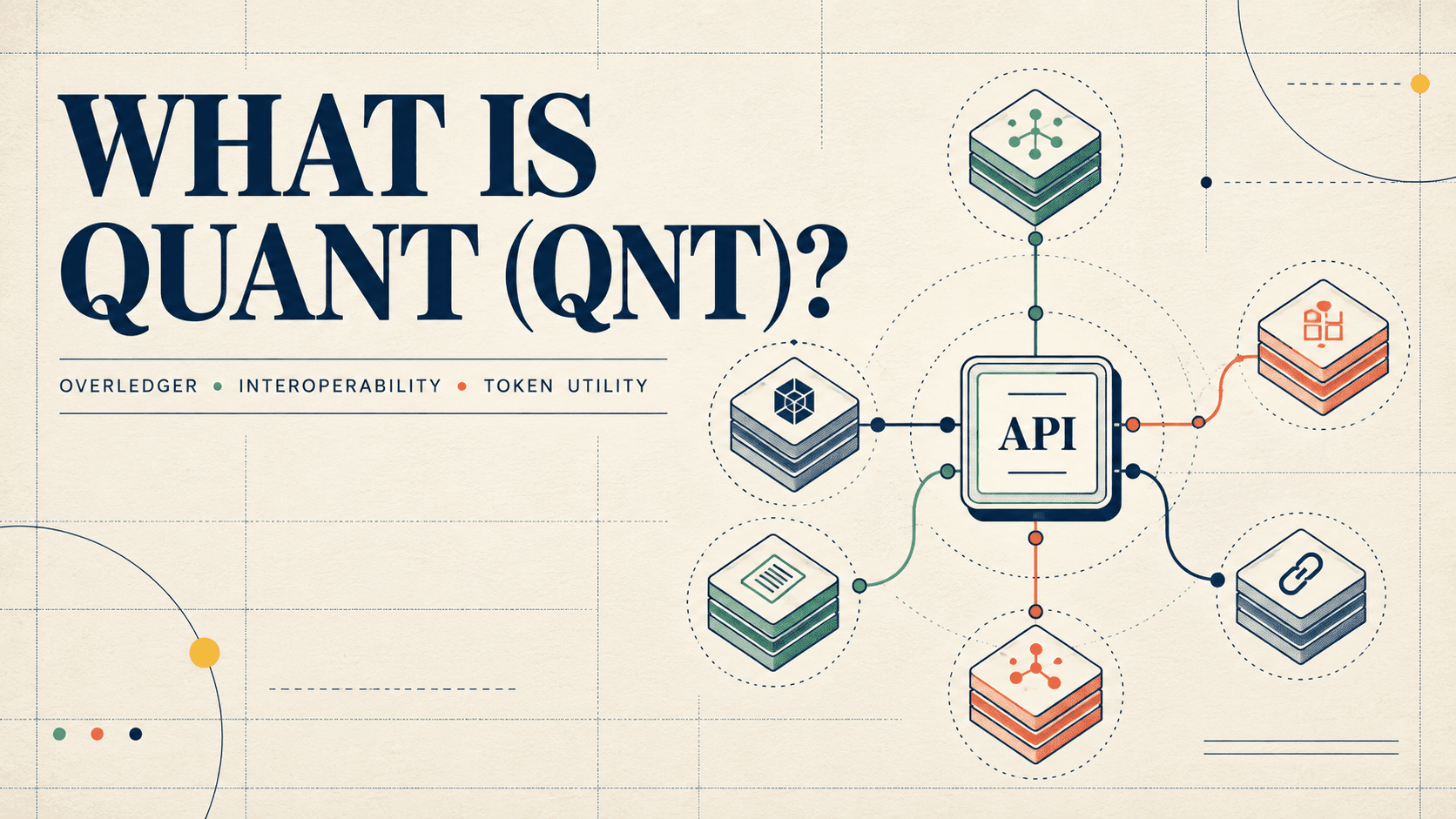
What Is Quant (QNT) Crypto? How Overledger Works, QNT Utility, and Token Supply Explained

Taiwan's Travel Rule Starts in October: What Domestic Crypto Transfers Will Require
Italian Crypto Tax Return 2026: Filing Deadline, Forms and Gains Rate
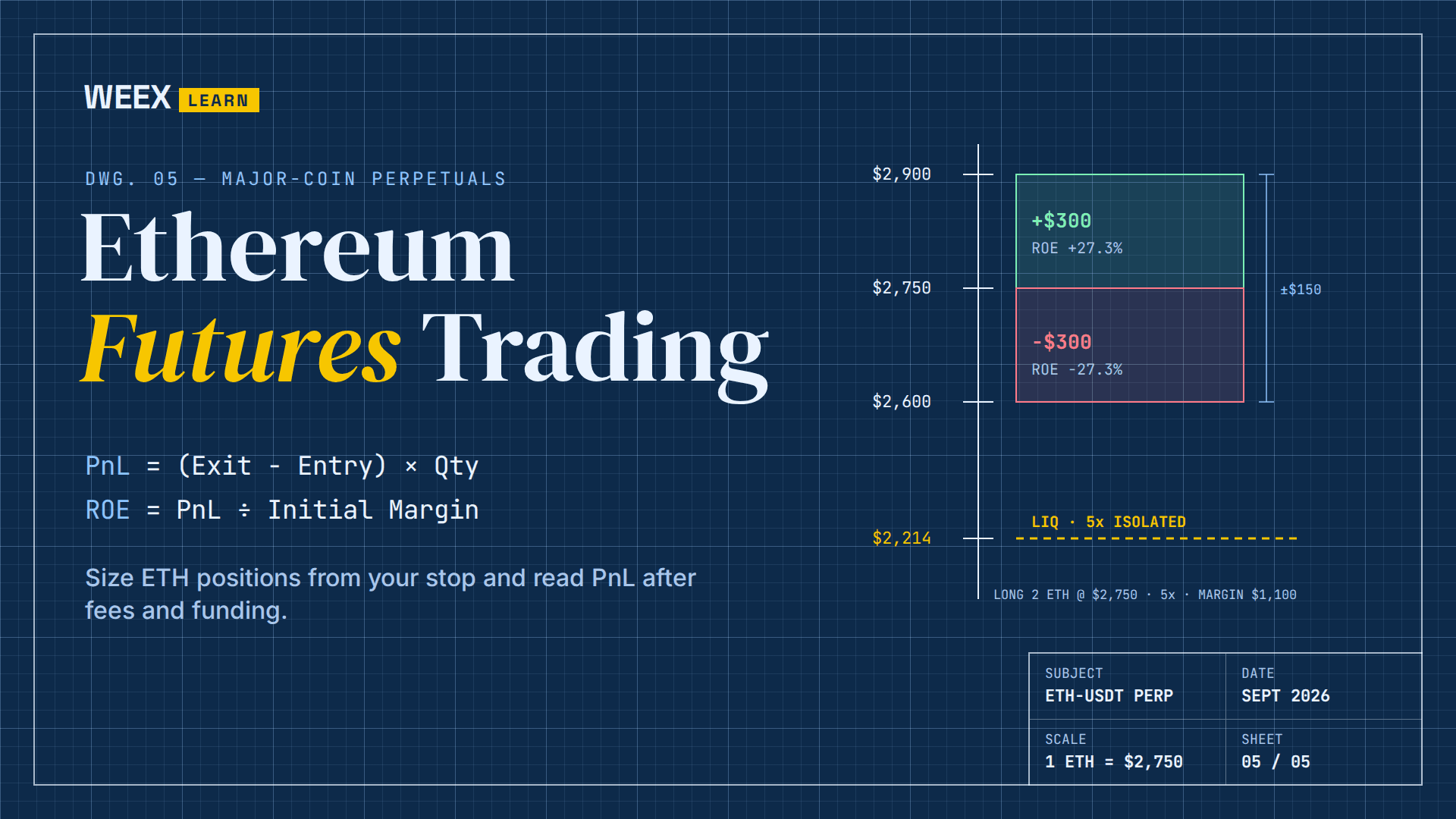
Ethereum Futures Trading: How to Size ETH Positions and Read PnL
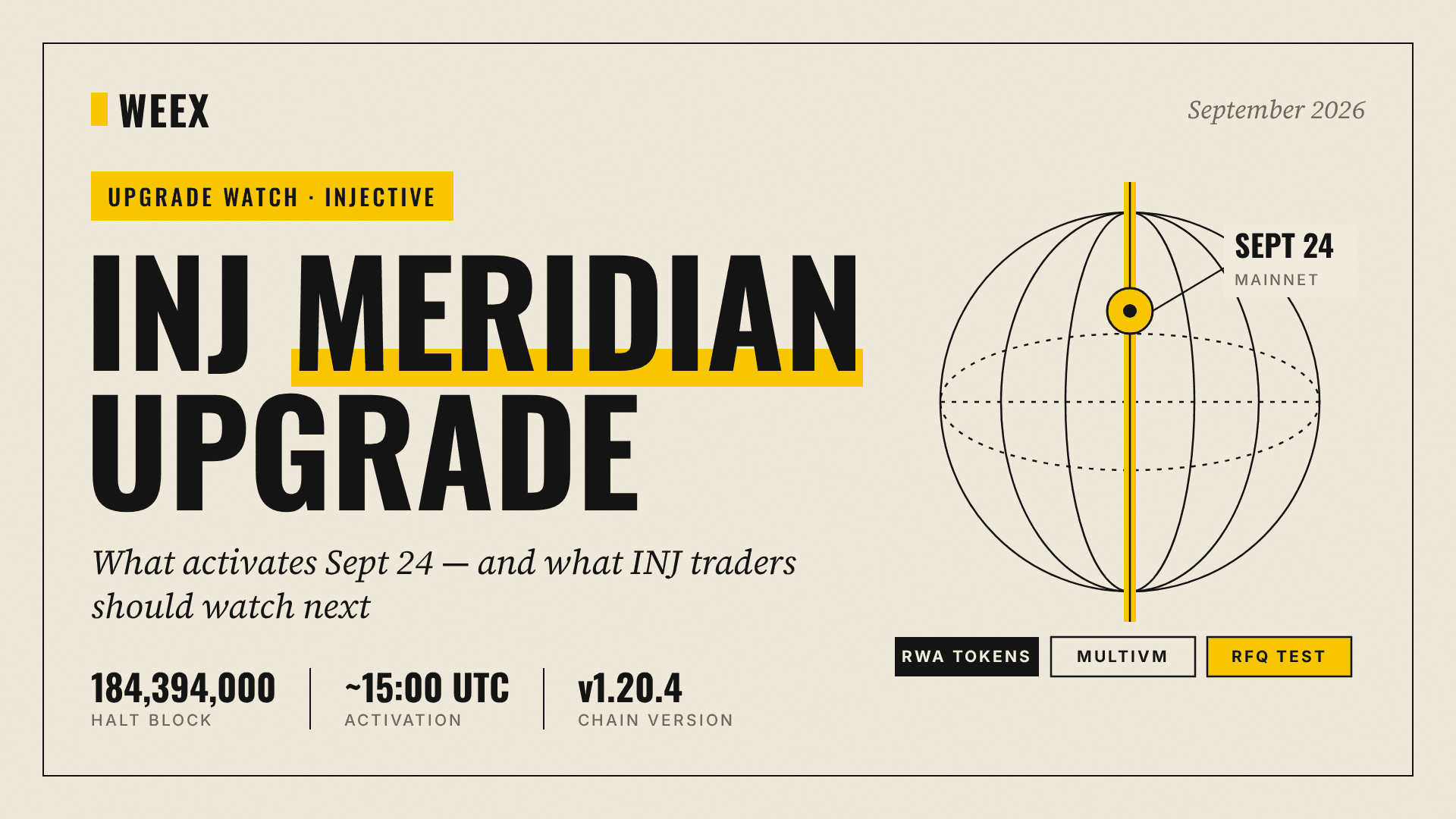
INJ Meridian Upgrade: What Activates Sept 24 and What to Watch

How to Connect Phantom Wallet to a Solana DApp
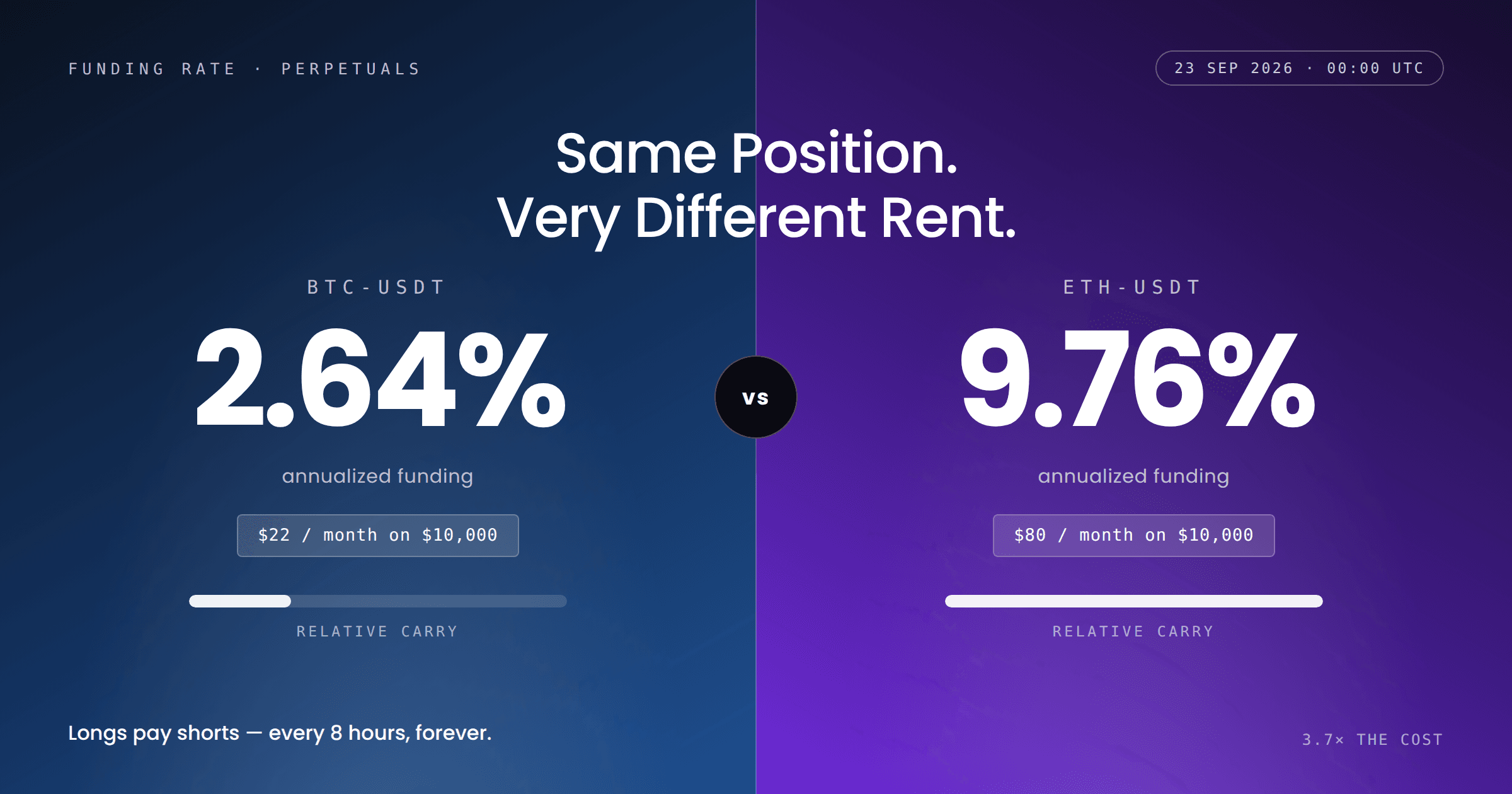
Funding Rate Crypto: What BTC and ETH Are Paying Right Now
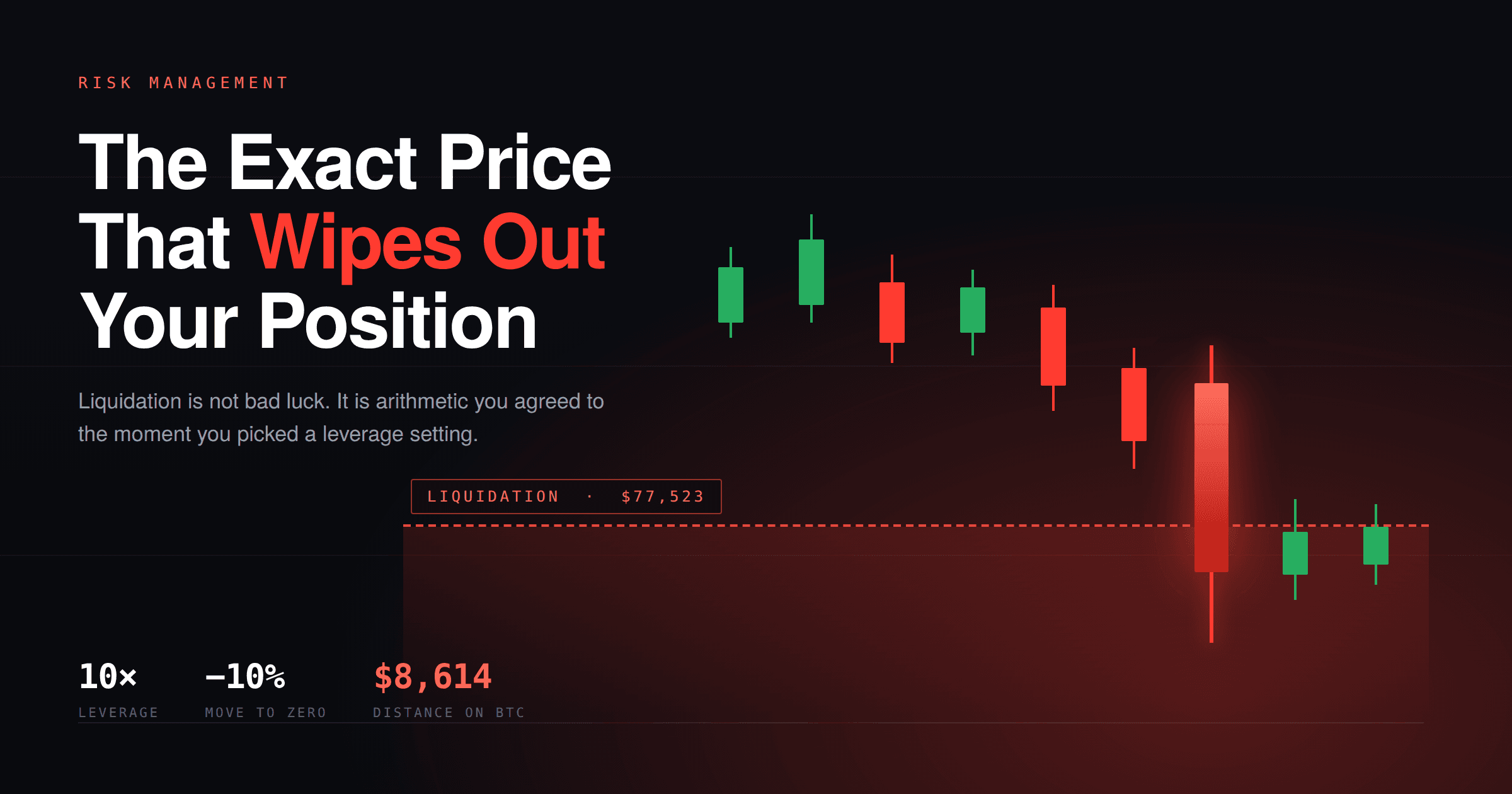
Crypto Liquidation: The Exact Price That Wipes Out Your Position

How to Trade on Hyperliquid: A Step-by-Step Guide
WEEX and MiCA: What the RDWW-1194 Entry in Poland's Register Says
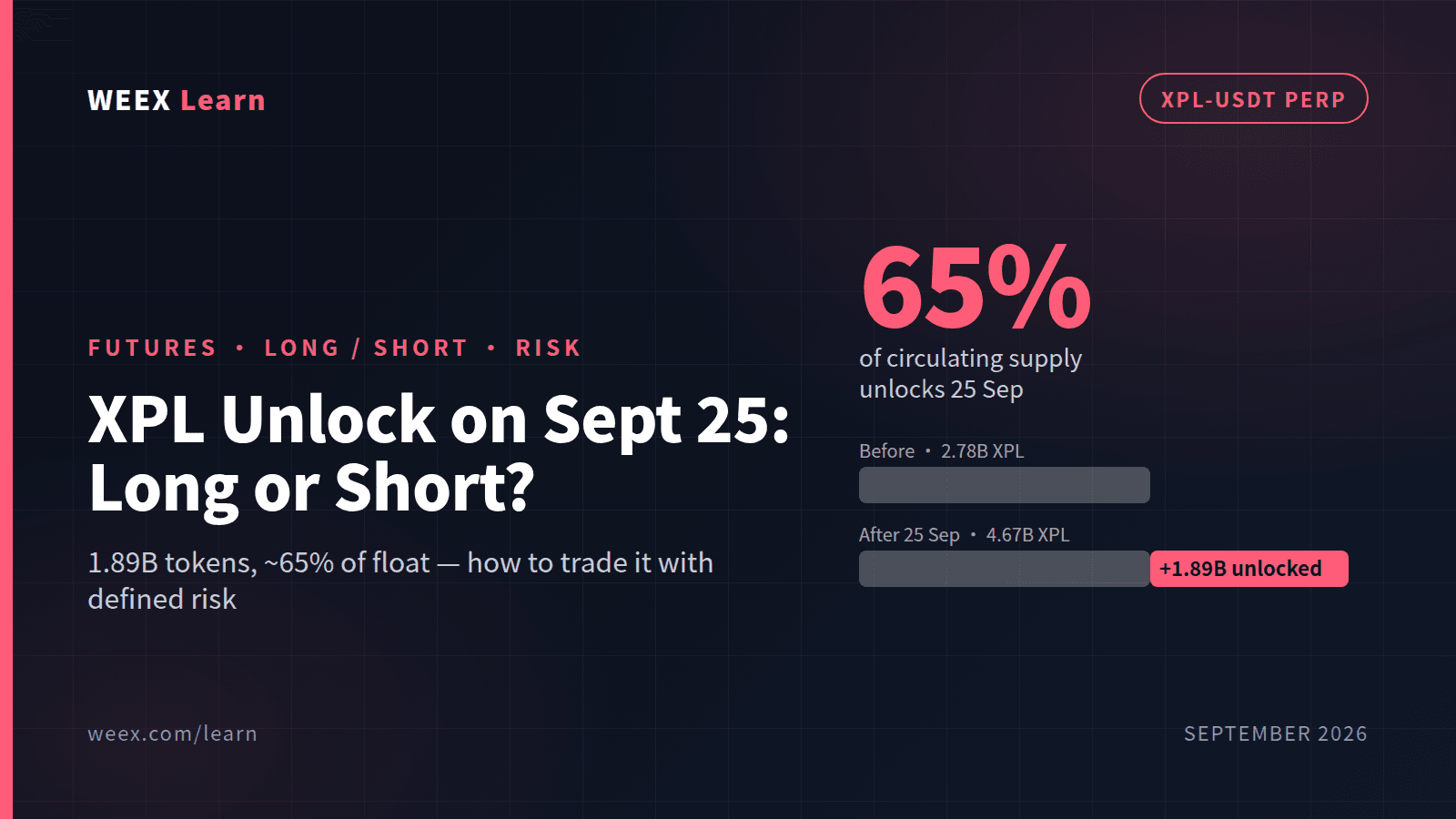
XPL Unlock on Sept 25: How to Long or Short Plasma Futures Safely
Third-Party Trading Platforms vs Direct WEEX Trading: Fees, Liquidity, Security, and Control
How Copy Trading, Signal, and Telegram Trading Tools Can Build With WEEX Broker
How Quant Trading Platforms and Bots Can Build With WEEX Broker
How to Buy USDT in Thailand: Payment Methods, Fees and Transfer Checks
What Is RLC Crypto? How iExec (RLC) Powers Confidential Computing
What Is WEEX Fast Connect? How OAuth Connects Third-Party Trading Platforms
Contents
Popular coins
Latest articles


