
What is Zerobase (ZBT) and How Does It Work?

 Prefer us on Google


Zerobase (ZBT) is building the essential privacy layer for the next evolution of blockchain applications. Operating as a decentralized infrastructure platform, it solves one of the most pressing challenges in the space: how to verify information without exposing sensitive data. By seamlessly integrating zero-knowledge proof technology with secure hardware environments, Zerobase creates a powerful foundation for applications where privacy is non-negotiable.
The platform serves developers and institutions looking to build and deploy solutions in high-stakes environments like DeFi, digital identity, and AI validation. What sets Zerobase apart is its practical approach to balancing two often conflicting priorities: strong user privacy and necessary regulatory compliance. This dual capability makes it a compelling solution for projects that need to operate transparently without sacrificing the fundamental right to data protection, effectively bridging the gap between technological possibility and real-world adoption.
What is ZeroBase (ZBT)?
ZeroBase operates as a foundational layer for privacy and verification in the Web3 ecosystem. It is a decentralized network specifically engineered to generate zero-knowledge proofs (ZKPs) at high speed and minimal cost, addressing a critical bottleneck in the adoption of privacy-preserving technologies. By functioning as a distributed computational marketplace, ZeroBase allows any application or user to prove the validity of a statement—such as a financial transaction or the output of an AI model—without revealing the underlying confidential data. This capability is delivered with a target performance of millisecond-level proof generation at a cost of less than one cent per proof, making advanced cryptography economically viable for everyday applications.
The project emerges as a solution to the limitations of current systems. Traditional financial audits are often slow, opaque, and expensive, creating trust barriers. Meanwhile, existing on-chain ZKP generation is frequently too costly for practical use, and off-chain alternatives can be centralized and insecure. ZeroBase positions itself to fill this void by offering a decentralized, efficient, and affordable infrastructure for verifiable computation.
Who Created ZeroBase (ZBT)?
ZeroBase is the brainchild of Mirror Tang, a cryptography professor at Shanghai Jiao Tong University with recognized expertise in blockchain security and cryptographic engineering. Under Tang's leadership, the project was initiated in March 2024.
The core team has strong academic and practical roots, originating from the Salus Security Cryptography Security Group, which has previously contributed to the Ethereum Foundation’s Privacy and Scaling Explorations (PSE) team. This background provides a foundation of credibility and deep technical knowledge. The team has been expanded by recruiting talent with experience in building distributed systems and real-time cryptographic protocols.
A key focus of the founding team has been to align the project with regulatory considerations from its inception, ensuring that its privacy technology can coexist with compliance needs. This strategic direction is reflected in their partnerships with major infrastructure players like LayerZero and various Ethereum Virtual Machine (EVM) compatible blockchains and rollups.
How ZeroBase (ZBT) Works?
The platform's operation can be broken down into several innovative architectural components:
- Distributed Prover Network: At its heart, ZeroBase is a peer-to-peer network of nodes operated by independent participants. These nodes, equipped with GPUs or specialized hardware, compete to generate ZKPs for user requests. This decentralized approach ensures censorship resistance and reliability, avoiding the single point of failure present in centralized services.
- Modular Hub Architecture for Scalability: To manage growth and maintain performance, ZeroBase employs a unique "Hub" model. The network is not a single monolithic entity but is divided into multiple subsets, each managed by an independent Hub. This design allows the system to distribute computational load evenly, facilitates horizontal scaling by adding new Hubs, and enhances overall network resilience.
- Hardware-Backed Security with TEEs: ZeroBase integrates Trusted Execution Environments (TEEs), such as secure enclaves in modern processors, to provide an additional layer of security for sensitive data during proof generation. This hardware-based isolation ensures that data remains encrypted and inaccessible even to the node operators themselves. A notable feature is the platform's ability to allow verifiable partial decryption for authorized entities, bridging the gap between strong privacy and necessary regulatory oversight.
- Cross-Chain Native Design: The platform is built for a multi-chain world. It supports all major EVM-compatible networks, including Ethereum, Arbitrum, Optimism, and Polygon, using LayerZero's omnichain technology for seamless interoperability. The smart contracts on these chains are responsible for the final, trustless verification of the proofs generated off-chain by the ZeroBase network.
-- Price
What is ZBT Token?
The ZBT token is the economic engine that powers and secures the ZeroBase network. With a total fixed supply of 1 billion tokens, its distribution is allocated across core ecosystem participants: team and advisors (20%), investors (11.25%), liquidity (2%), a growth fund (15%), community incentives (8%), and the largest portion (43.75%) reserved as staking rewards for node operators.
The token's utility is multi-faceted:
- Network Access: ZBT is required to pay for services like proof generation, zkStaking, and accessing specialized modules.
- Node Incentives: Operators earn ZBT tokens for contributing computational resources to generate proofs or for routing requests.
- Governance: Holders can participate in voting on protocol upgrades and future development, fostering a community-led ecosystem.
- Economic Stability: A DAO-managed treasury conducts strategic token buybacks and burns, linking ZBT's value directly to network usage and helping to maintain a healthy token economy.
Conclusion
ZeroBase (ZBT) represents a significant step toward reconciling the often-competing demands of data privacy and public verifiability. By weaving together a decentralized prover network, a scalable hub architecture, and hardware-enforced security, it creates a robust infrastructure for a new class of applications. The platform empowers developers and enterprises to build solutions where actions can be proven true without sacrificing sensitive information, all while being built on a foundation that considers long-term sustainability and regulatory coexistence.
Further Reading
- What is Hajimi (HAJIMI) and How Does It Work?
- What Is Dogecoin and How Does It Work?
- What Is Ethereum and How Does It Work?
Disclaimer: The opinions expressed in this article are for informational purposes only. This article does not constitute an endorsement of any of the products and services discussed or investment, financial, or trading advice. Qualified professionals should be consulted prior to making financial decisions.
This content is provided for general informational purposes only and doesn't constitute financial, investment, legal, or tax advice. Any events, rewards, online promotions, or related information mentioned herein should not be considered a recommendation, solicitation, or invitation to purchase, sell, trade, or otherwise deal in any crypto assets. Crypto assets are highly volatile and may result in loss. The availability of WEEX services, products, and related events may vary by region. You are responsible for ensuring that your participation is in accordance with applicable local laws and regulations.
You may also like

LayerZero Unlock October 2026: Can ZRO Hold $2 Amid Whale Inflows?

What is Openverse Network (BTG) Coin? A Guide to the Layer 0 Project
What is Crypto Airdrop ? The Most Complete Guide for Beginners to Get Airdrop

Why Is STRK Up Over 25%? Starknet's Layer 1 Idea, the Quantum Roadmap and the Risks Behind the Jump
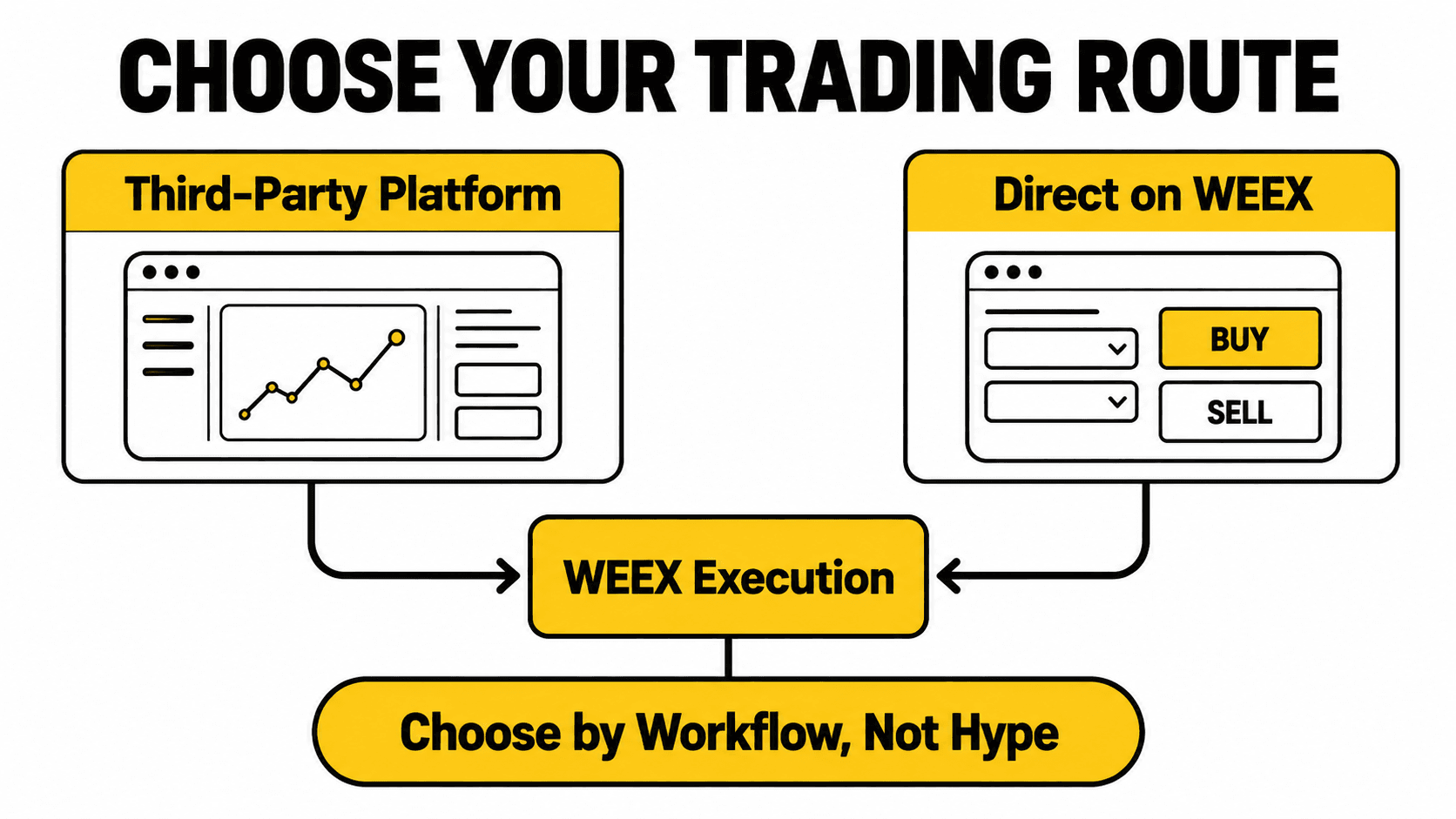
Third-Party Trading Platforms vs Direct WEEX Trading: Fees, Liquidity, Security, and Control
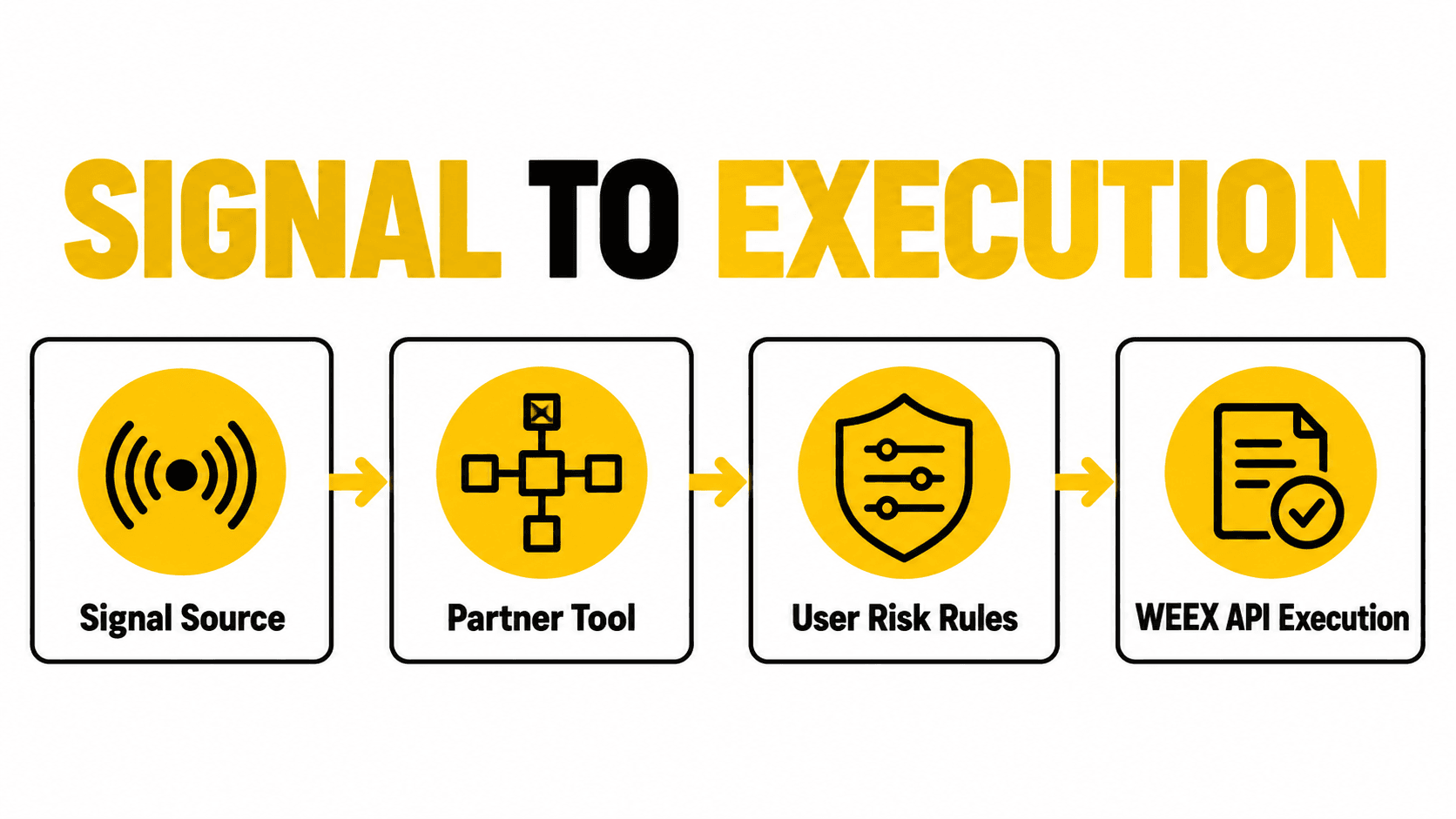
How Copy Trading, Signal, and Telegram Trading Tools Can Build With WEEX Broker
What Is Derive (DRV)? Why the Token Jumped About 25% After Citrini Research's Altcoin Portfolio Report
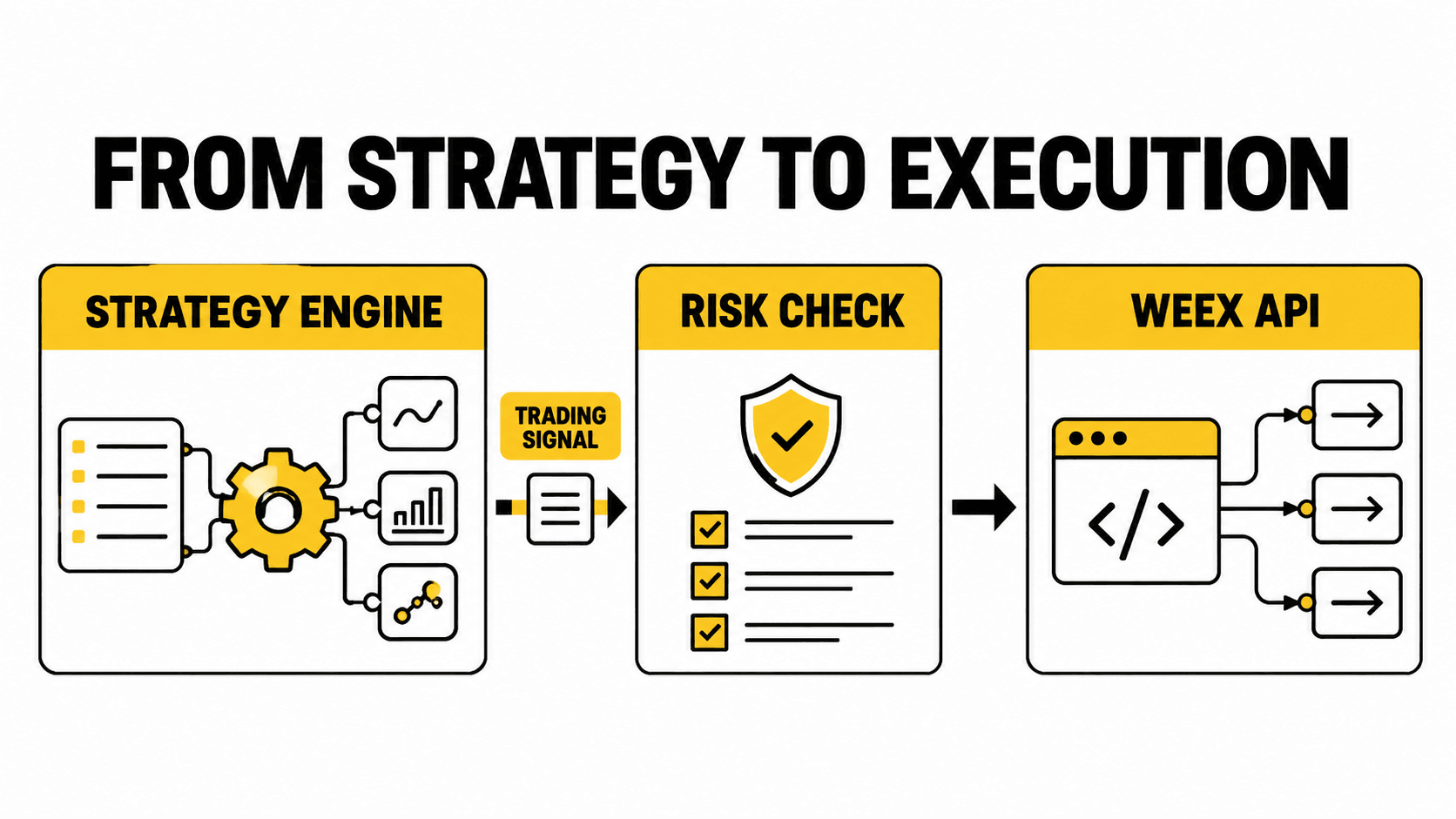
How Quant Trading Platforms and Bots Can Build With WEEX Broker
How Trading Platforms and Terminals Can Connect to WEEX Broker

How to Use an APR Boost on WEEX Auto Earn Without Wasting It
How to Buy Presale Crypto: Step by Step Guide for Beginners
Ethereum Glamsterdam Hits 200M Gas on Sepolia: What Changes After the Upgrade?
ENA Token Price Drops After October 5 Unlock: What Happened to Ethena?
How to Day Trade Crypto for Beginners: Do the Fee Math First
Anonymous Crypto Wallet: What Each One Hides and Where It Fails
What Is Blockchain and How Does It Work? One Real Payment Traced
What Is a Blockchain Node? Types, 2026 Counts, and Real Costs
How to Buy New Crypto Before Listing: 5 Routes and Their Traps

What Is Staking? 4 Myths to Clear Up Before You Stake Crypto
TSMC Stock Outlook Ahead of Q3 Earnings: Can AI Demand Push Shares Higher?
Taiwan Stock Market Nears 50,000: Can the TAIEX Break the Milestone After the Holiday?

How to Buy USDT in Thailand: Payment Methods, Fees and Transfer Checks
What Is RLC Crypto? How iExec (RLC) Powers Confidential Computing
What Is Blockchain Interoperability? How Cross-Chain Bridges and Messaging Work
How to Buy Crypto With a Prepaid Card: Step-by-Step Guide

What Is WEEX Fast Connect? How OAuth Connects Third-Party Trading Platforms
How Do WEEX Broker Commissions Work? Direct vs Indirect Commission Explained
Best Crypto Trading Strategies for Beginners: What to Know Before You Trade
WEEX API for Quantitative Trading: Use Cases, Market Data and Automated Trading
WEEX API Documentation: How to Get Started With the WEEX Trading API
LayerZero Unlock October 2026: Can ZRO Hold $2 Amid Whale Inflows?
What is Openverse Network (BTG) Coin? A Guide to the Layer 0 Project
What is Crypto Airdrop ? The Most Complete Guide for Beginners to Get Airdrop
Why Is STRK Up Over 25%? Starknet's Layer 1 Idea, the Quantum Roadmap and the Risks Behind the Jump
Third-Party Trading Platforms vs Direct WEEX Trading: Fees, Liquidity, Security, and Control
How Copy Trading, Signal, and Telegram Trading Tools Can Build With WEEX Broker
Contents
Popular coins
Latest articles




