
US-Iran Tensions Boil Over: How War Rewires the Crypto Market

 Prefer us on Google
In an era of intensifying geopolitical friction, the crypto market is reacting to and absorbing shocks far faster than traditional finance (TradFi).
Trade here: [BTC/USDT] | [XAUT/USDT] | [XAG/USDT]
Trade here:Gold & silver 0% fees
Middle East Escalation: Bitcoin Leads the "War Premium"
Over the past 96 hours, the global order has been shaken to its core. As the only 24/7 financial frontline, the crypto market has been the first to "foot the bill" for the war premium:
- February 28: The US and Israel launch massive airstrikes, deploying over 1,200 missiles. Bitcoin (BTC) flash-crashes 4.4%, while Gold and Crude Oil spike 1.3% and 4%, respectively.
- Same day: Reports confirm the death of Iran’s Supreme Leader Khamenei and several high-ranking officials. As rumors of the "decapitation strike" conclude, BTC stages a aggressive V-shaped recovery, while Gold enters a consolidation phase.
- March 1–2: Iranian forces retaliate with missile strikes against US and Israeli positions. While the Foreign Ministry initially denies intentions to block the Strait of Hormuz, the Islamic Revolutionary Guard Corps (IRGC) officially closes the chokepoint on March 2, sending oil prices into the stratosphere.
- March 3: Donald Trump asserts US military superiority, stating the military is "locked and loaded." Concurrently, capital flight from Iranian crypto exchanges surges by 700%.
Because traditional markets are closed over the weekend, crypto has become the ultimate "relief valve" and 24/7 outlet for investors to hedge risks and bet on real-time developments.
A Look at the Rearview Mirror: History Doesn’t Repeat, But It Rhymes
Past geopolitical conflicts show a strikingly consistent pattern: Short-term emotional shockwaves followed by mid-to-long-term rallies driven by safe-haven demand and liquidity expectations.
- 2022 Russia-Ukraine War: BTC dropped 7% on Day 1 but rallied 25% within a month.
- 2023 Israel-Hamas Conflict: BTC dipped 5% in a week, only to surge over 80% three months later.
- 2025 Iran-Israel Clash: An initial 7.5% weekly slide was followed by a 25% recovery within 30 days.
When chaos breaks out, liquidity is often the first casualty, and Bitcoin usually bears the brunt of the initial "sell everything" panic. However, its identity as a "non-sovereign asset" eventually brings it back to its original trajectory—and often beyond.
"This Time is Different": The New Guard
To be specific, the market resilience is markedly stronger than before.
Since the fourth halving, institutional players have taken the wheel. While the current conflict is arguably more intense than previous ones, Bitcoin’s drawdowns are shallower and shorter.
Simultaneously, spot ETFs and institutional "Diamond Hands" are playing the long game; they don’t liquidate over weekend headlines. This structural maturity provides a massive liquidity buffer that absorbs emotional selling.
The conflict is far from over. If the Strait of Hormuz remains blocked for the long haul, the market narrative will shift from a simple "inflation hedge" to a "global recession defense".
While the smoke of war has been seen, a new financial order is quietly taking root on-chain. We are keeping a close monitor.
-- Price
This content is provided for general informational purposes only and doesn't constitute financial, investment, legal, or tax advice. Any events, rewards, online promotions, or related information mentioned herein should not be considered a recommendation, solicitation, or invitation to purchase, sell, trade, or otherwise deal in any crypto assets. Crypto assets are highly volatile and may result in loss. The availability of WEEX services, products, and related events may vary by region. You are responsible for ensuring that your participation is in accordance with applicable local laws and regulations.
You may also like
BTC Futures Analysis: $80K Held, but Longs Are Still Paying Up
ETH Futures: Why Ether Is Falling Faster Than Bitcoin This Week
ENA Token Price Drops After October 5 Unlock: What Happened to Ethena?
What Is Blockchain and How Does It Work? One Real Payment Traced

How to Buy Crypto With a Prepaid Card: Step-by-Step Guide
Best Crypto Trading Strategies for Beginners: What to Know Before You Trade
LayerZero Unlock October 2026: Can ZRO Hold $2 Amid Whale Inflows?
How to Buy Crypto With Apple Pay in 5 Steps: Why Your Bank May Decline the Payment
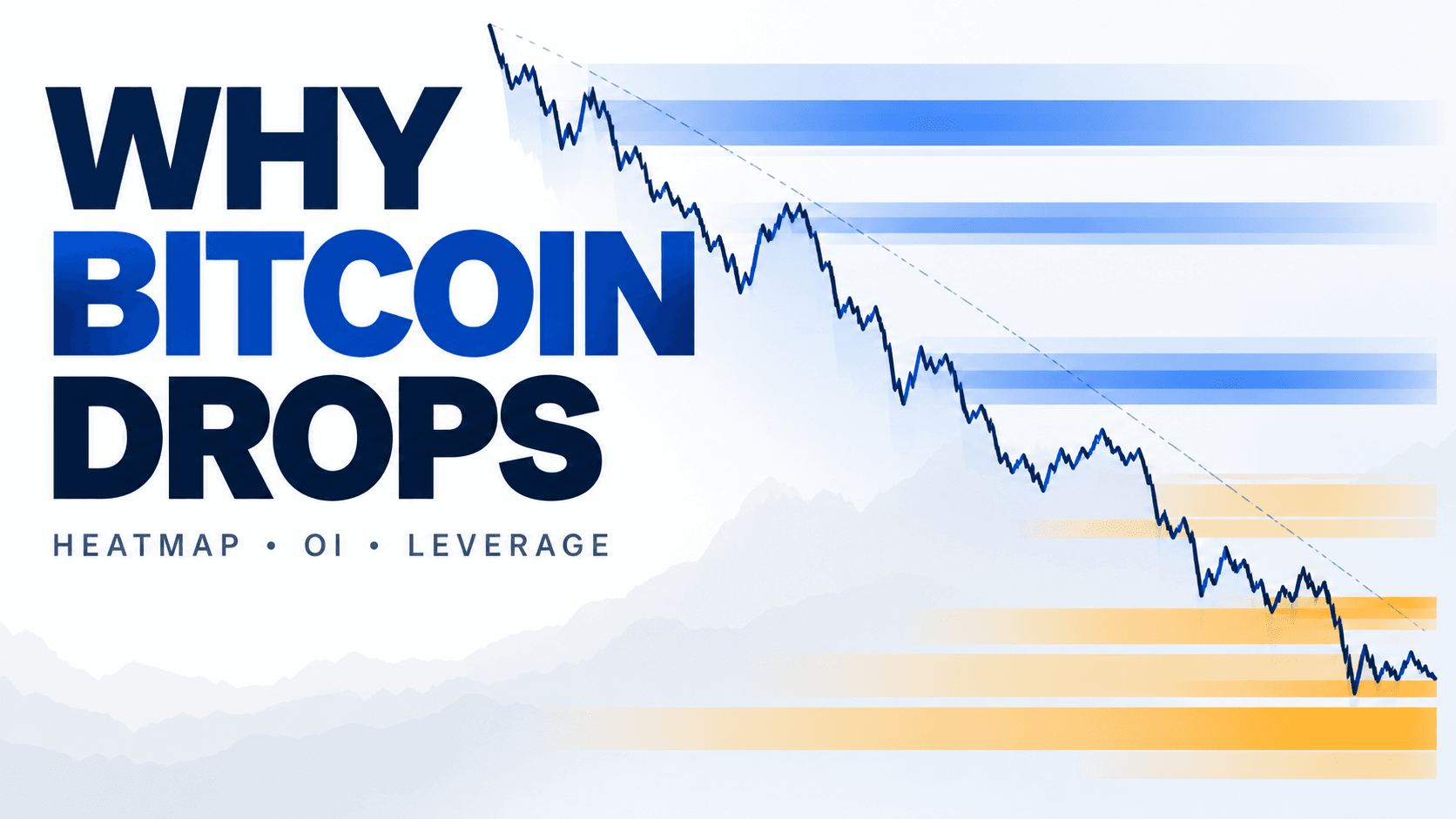
Why Does Bitcoin (BTC) Drop? How to Read a BTC Liquidation Heatmap Without Guessing the Bottom
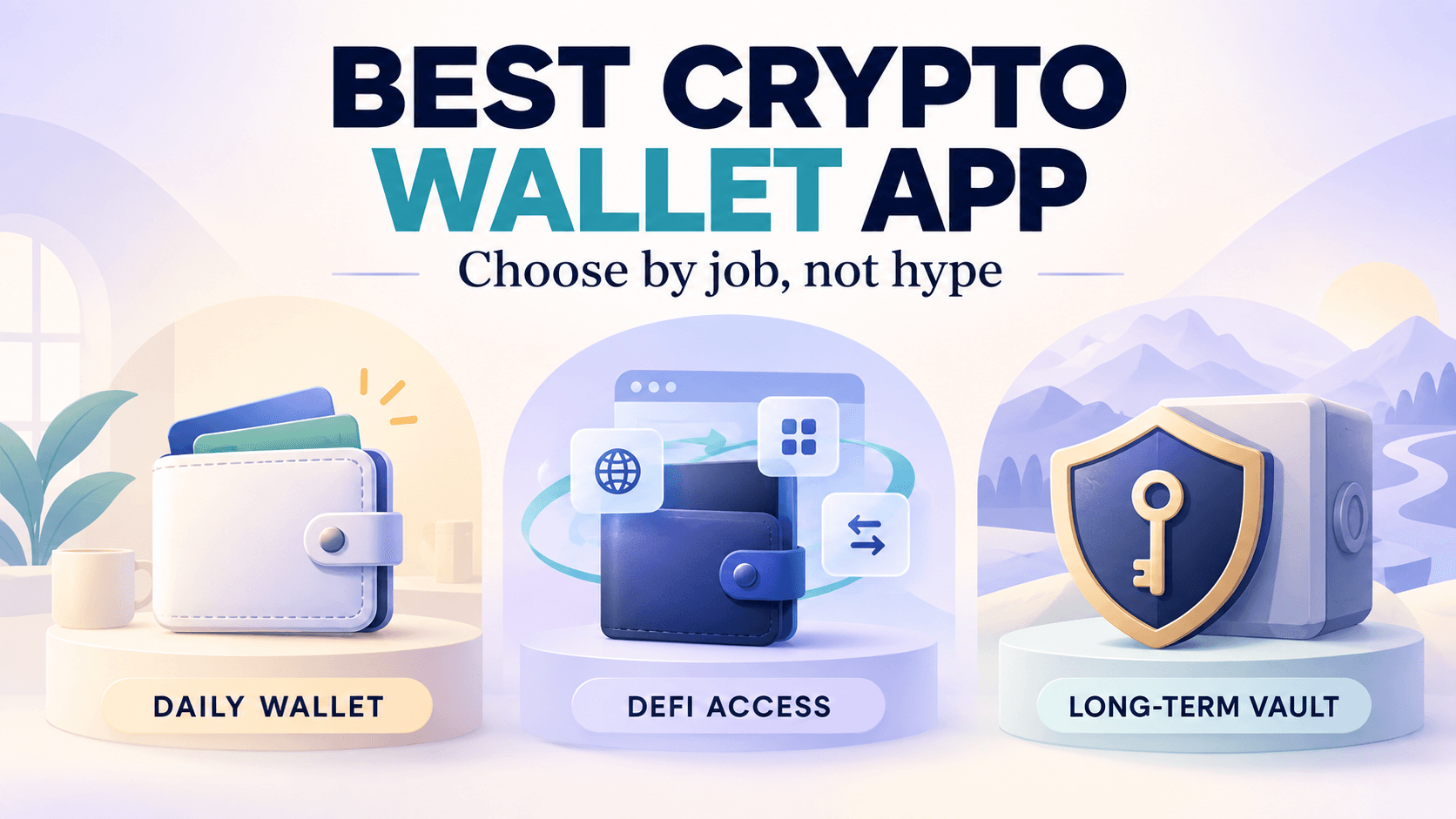
Best Crypto Wallet App in 2026: How to Choose Between Hot, Cold, Custodial, and Web3 Wallets
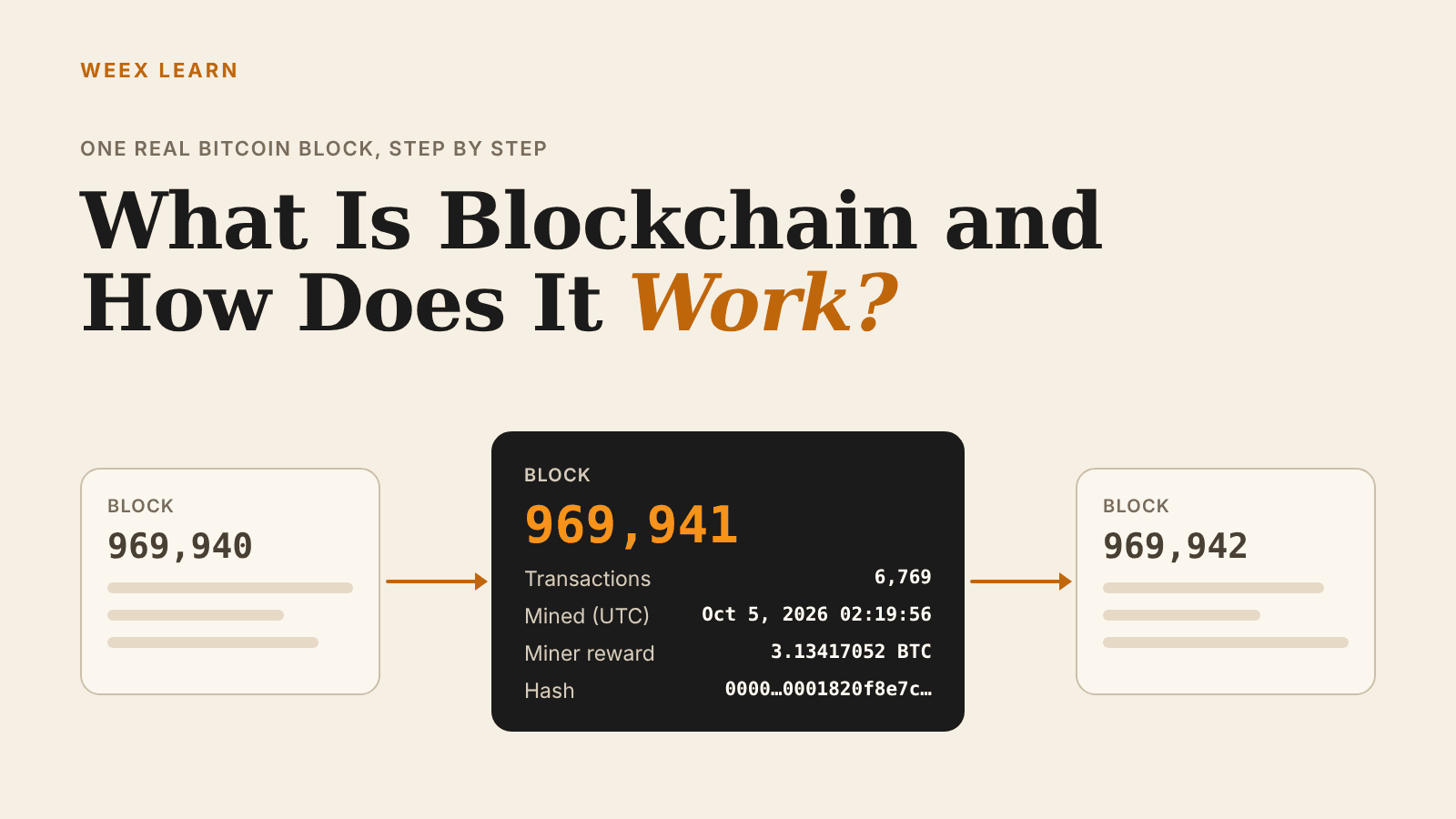
What Is Blockchain and How Does It Work? One Real Block Explained
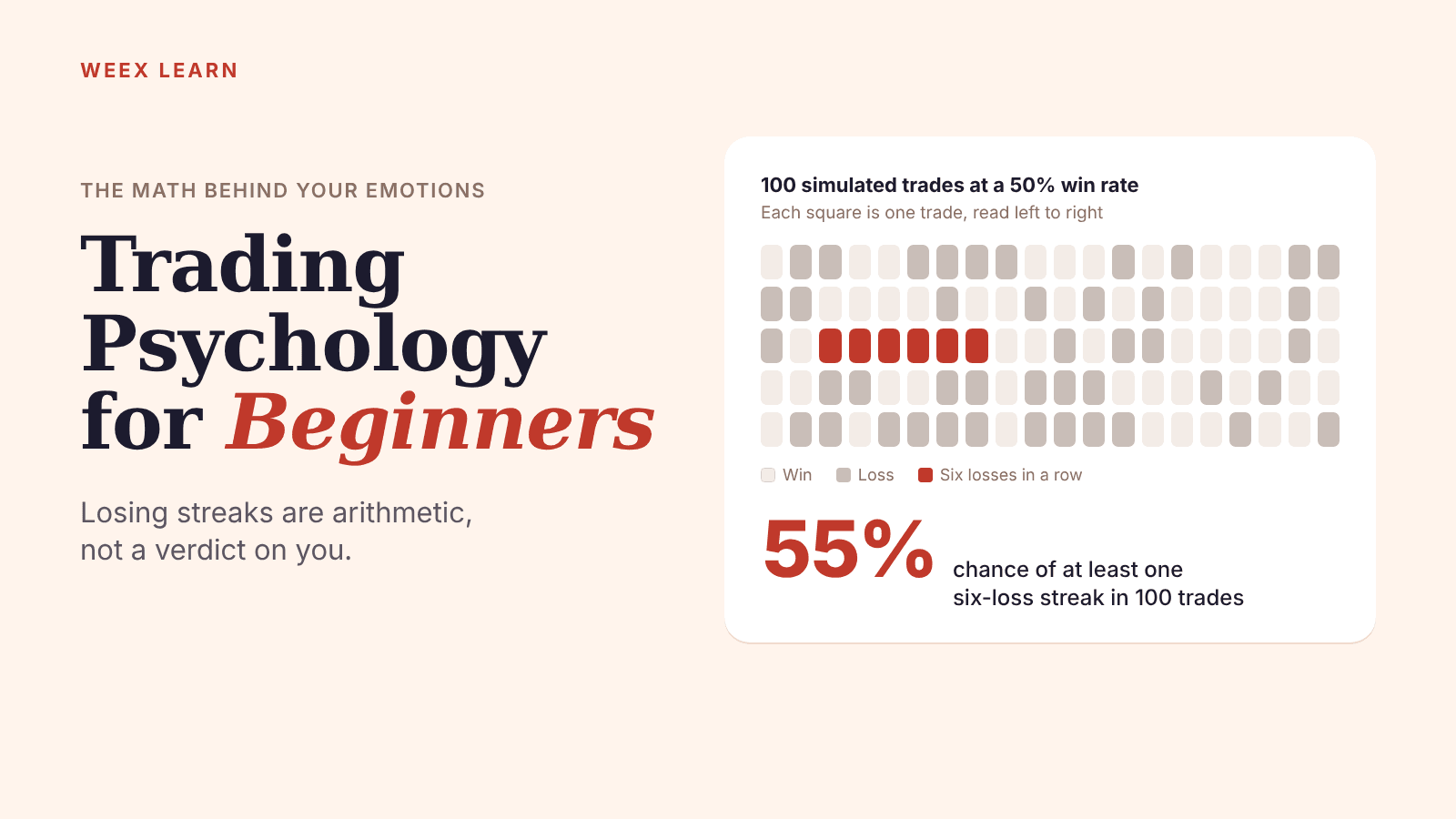
Trading Psychology for Beginners: The Math Behind Your Emotions
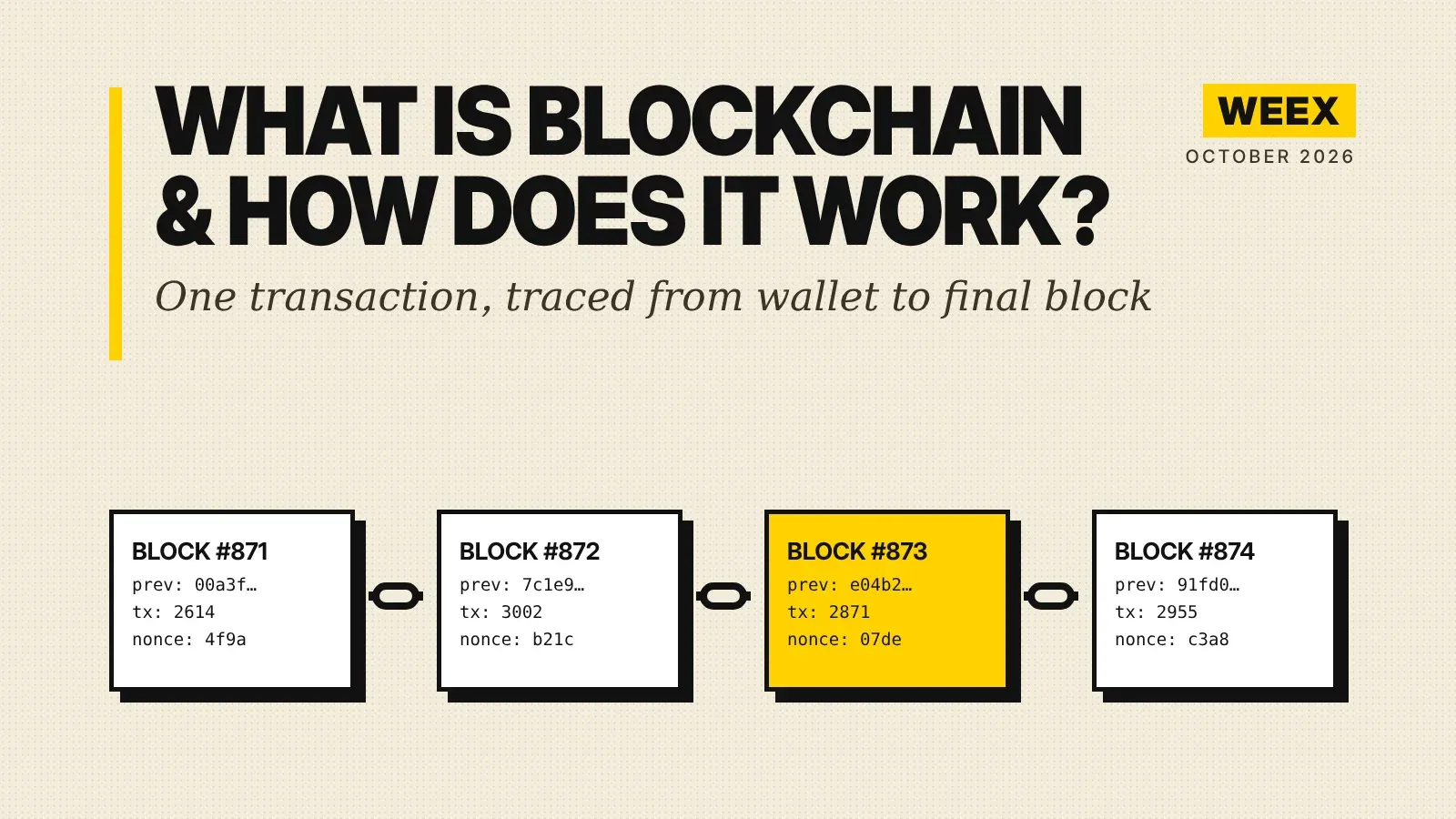
What Is Blockchain and How Does It Work? A Transaction Traced
Anonymous Crypto Wallet: What Still Protects Your Privacy in 2026
How to Buy Crypto with PayPal: The Custody Catch Most Beginners Miss
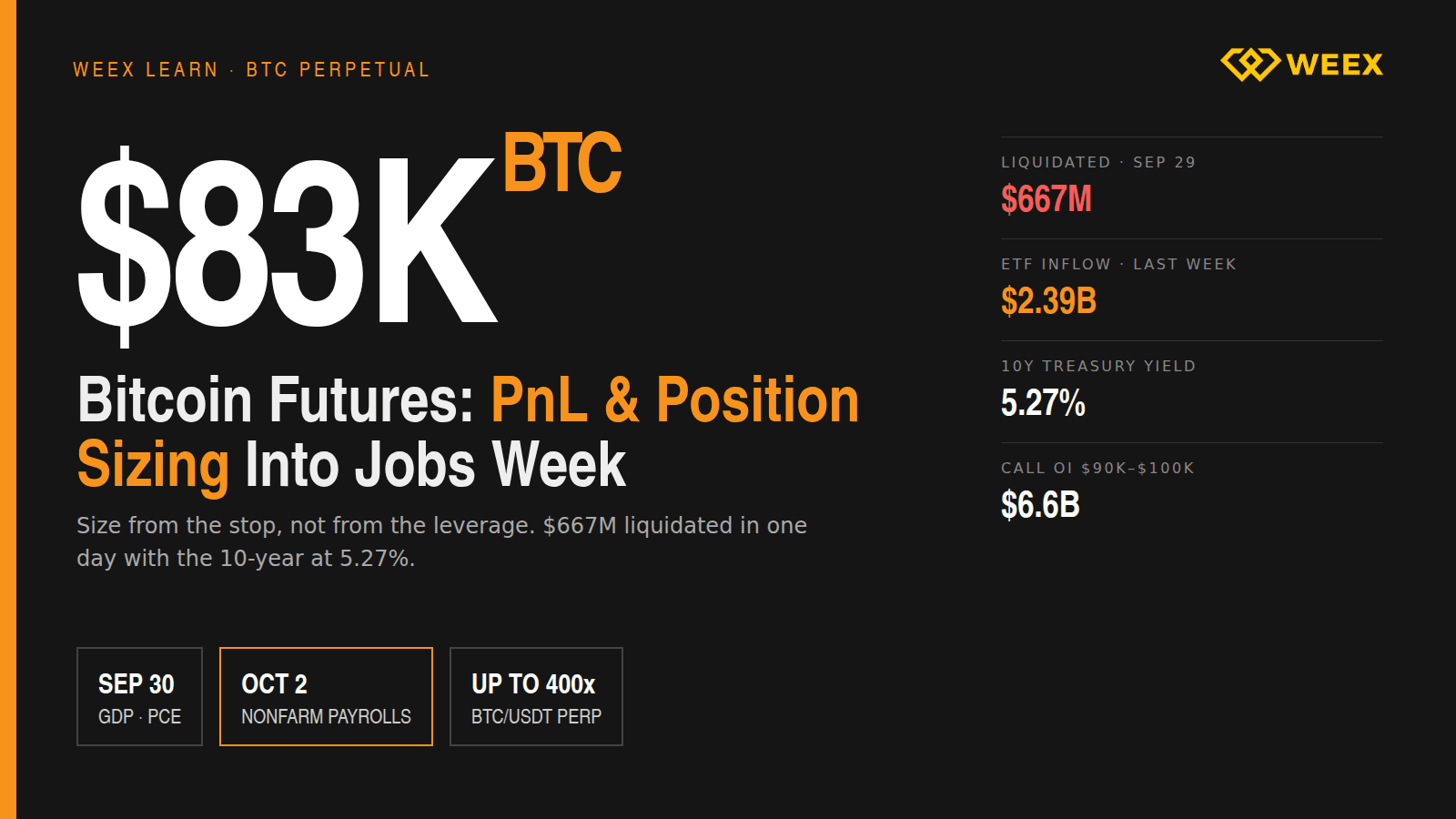
Bitcoin Futures at $83K: PnL and Position Sizing Into Jobs Week
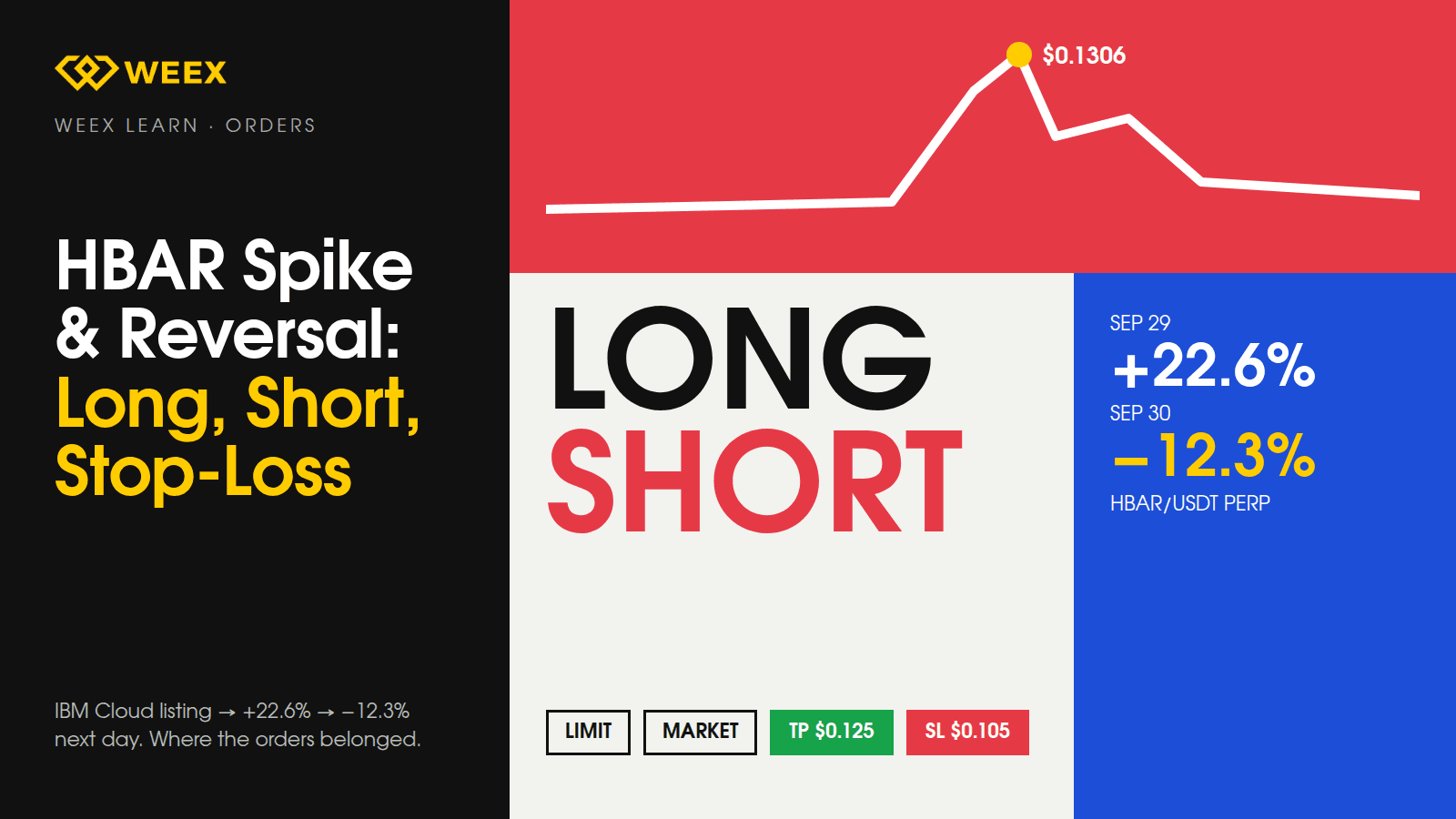
HBAR Price Spike and Reversal: Long, Short, and Stop-Loss Orders

What Is XDP? Can Doppler Finance Break $0.03 in October 2026?
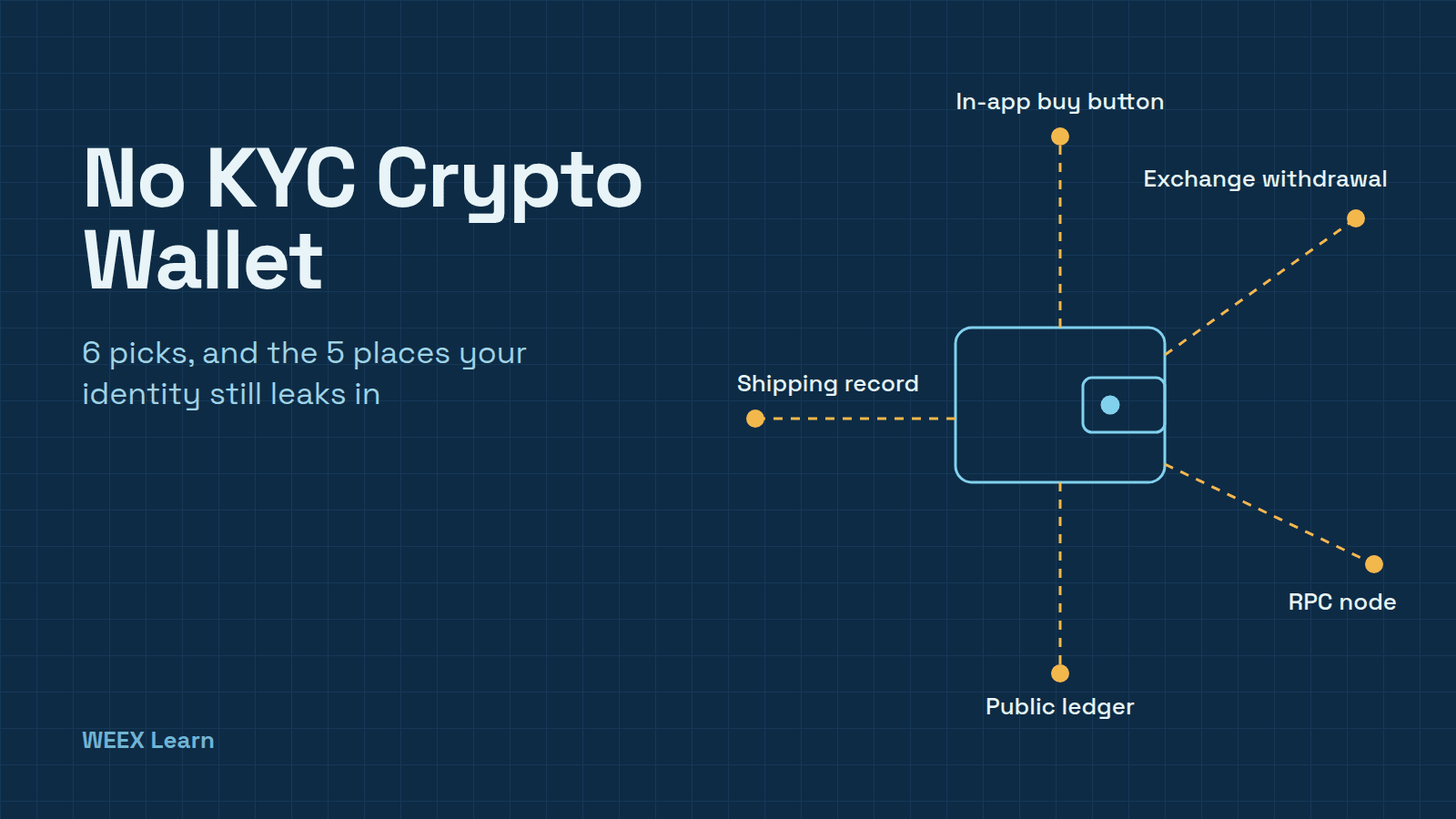
No KYC Crypto Wallet: 6 Picks and 5 Places Your ID Still Leaks
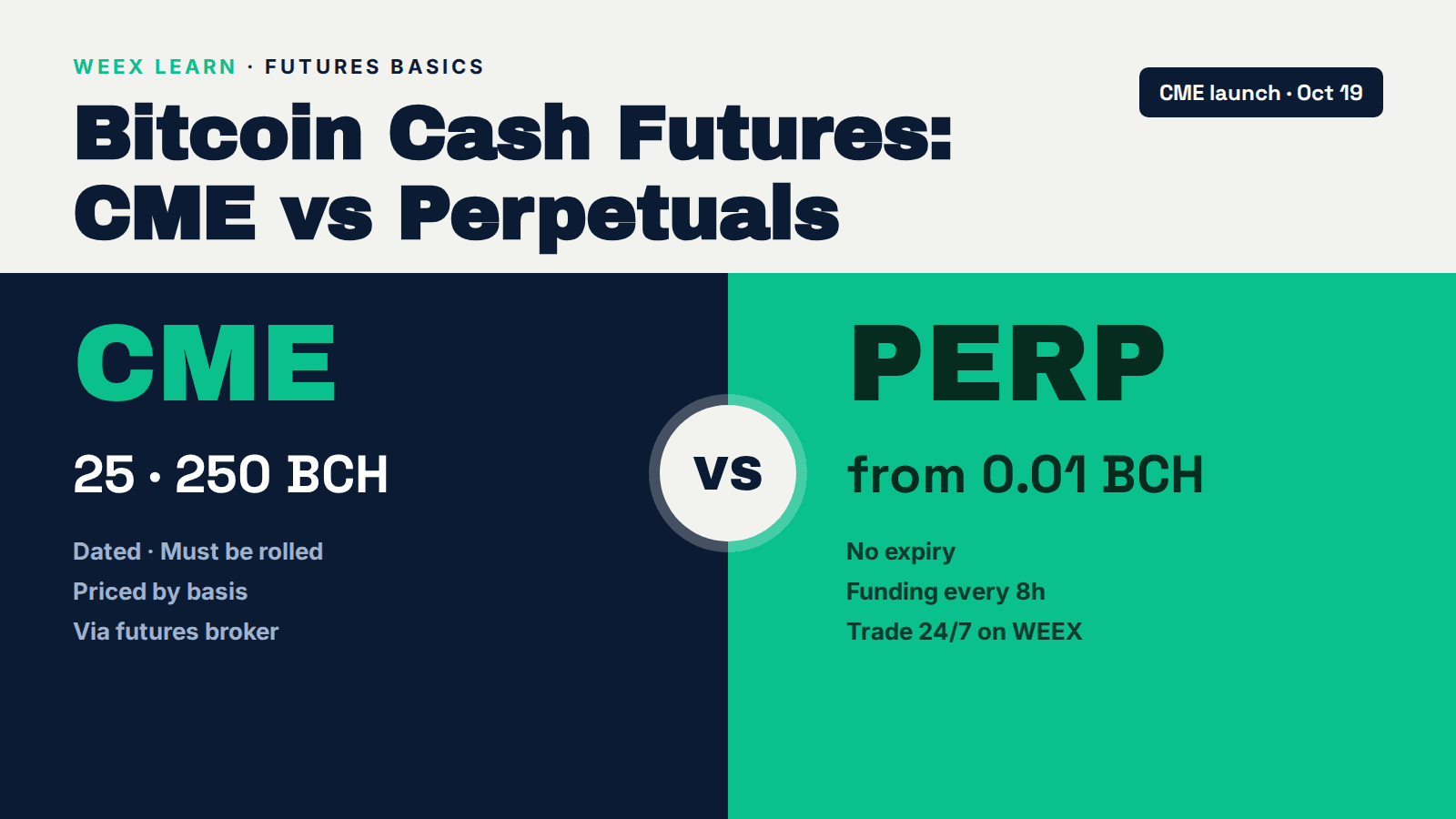
Bitcoin Cash Futures: CME Contracts vs Perpetuals Explained

Common P2P Crypto Scams and How to Spot Them
How to Choose a P2P Crypto Merchant on WEEX
How to File a WEEX P2P Appeal: Evidence and Video Requirements
Is WEEX P2P Crypto Trading Safe? Risks and Checks Before You Trade
WEEX P2P Order Limits: Minimums, Maximums, and Available Ads
P2P Crypto Trading Fees: Spreads and Payment Costs Explained
P2P vs. Spot Trading: Which Does What?
What Is P2P Crypto Trading? How It Works and How to Get Started
P2P vs. C2C Crypto Trading: Are They Different?
P2P vs. OTC Crypto Trading: Key Differences Explained
BTC Futures Analysis: $80K Held, but Longs Are Still Paying Up
ETH Futures: Why Ether Is Falling Faster Than Bitcoin This Week
ENA Token Price Drops After October 5 Unlock: What Happened to Ethena?
What Is Blockchain and How Does It Work? One Real Payment Traced
How to Buy Crypto With a Prepaid Card: Step-by-Step Guide
Best Crypto Trading Strategies for Beginners: What to Know Before You Trade
Contents
Popular coins
Latest articles


