
Third-Party Trading Platforms vs Direct WEEX Trading: Fees, Liquidity, Security, and Control

 Prefer us on Google



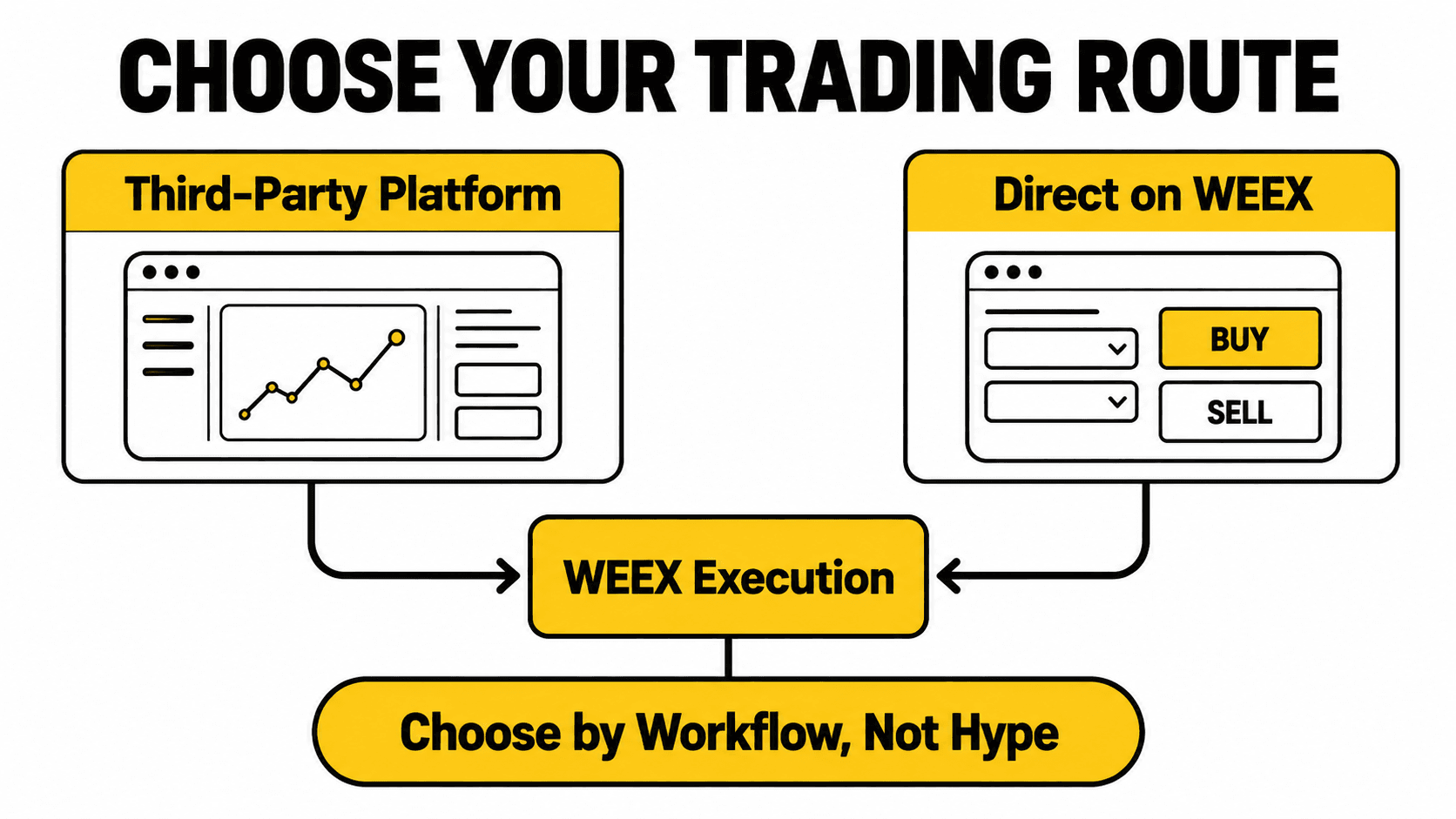
Trading through a third-party platform and trading directly on WEEX are not mutually exclusive choices. A third-party tool can add strategy, automation, analytics, or a specialized interface, while direct WEEX trading gives the user the most direct control over order entry and account actions. The better route depends on the workflow—not on a generic claim that one route is always cheaper, safer, or more liquid.
Our view is straightforward: use a third-party platform when it provides a real capability you need, such as strategy automation or a tailored terminal. Trade directly on WEEX when you want the shortest path between your own decision and your own order. In either case, users should understand the full cost, the order path, and who controls each setting.
The Core Difference Is the Trading Workflow
Direct trading means you use WEEX’s own trading interface to review market information, set order parameters, and submit an order from your WEEX account. You make the choices inside the exchange environment: market, side, quantity, order type, and any available position settings.
Third-party trading means you use another product as the experience layer. That product may be a terminal, quantitative platform, bot provider, signal service, portfolio tool, or copy-trading interface. If the platform is connected through a WEEX Broker or API workflow, it can route eligible order activity to WEEX for execution.
The important distinction is that a third-party interface can change the workflow, but it does not automatically create a separate source of market liquidity. When an order is routed to WEEX, execution is still subject to the relevant market conditions and the exact order instructions sent.
Fees: Compare the Full Cost, Not Just One Fee Line
The most common mistake in this comparison is to ask only, “Which route has the lower fee?” A better question is: “What are all of the costs attached to this exact workflow?”
Direct WEEX trading generally lets the user assess the exchange’s published trading costs and their own order choices without an additional service layer. A third-party platform may be free, subscription-based, performance-fee-based, or priced through another commercial model. Some tools add no separate user fee; others may charge for analytics, automation, signals, or managed features.
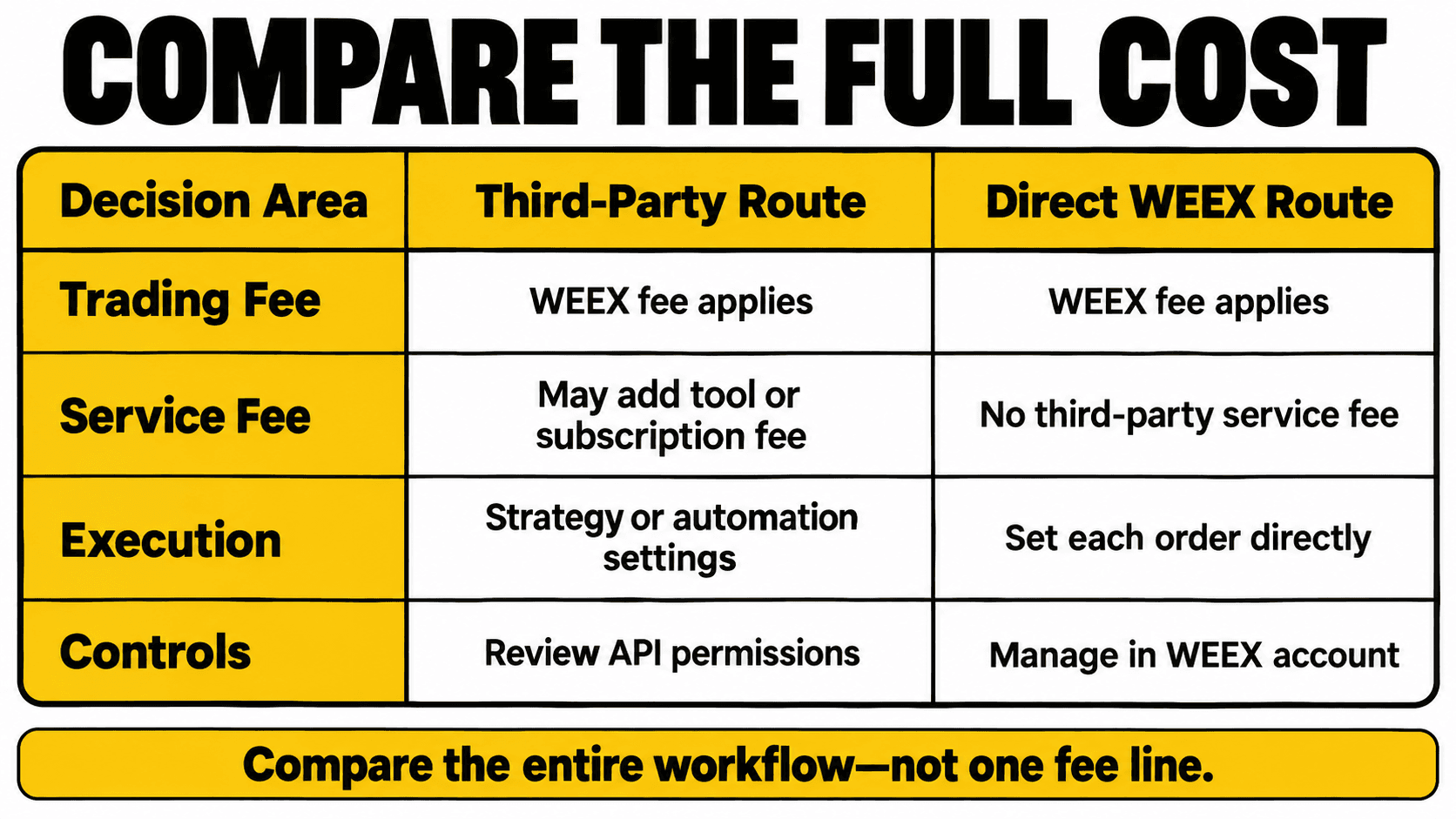
Before choosing a route, users should separate four questions:
| Cost or control area | What to check |
|---|---|
| Exchange trading fee | The applicable WEEX trading fee for the market and order type |
| Third-party service fee | Subscription, performance, automation, signal, or other platform charges |
| Execution settings | Whether the tool changes order type, sizing logic, leverage settings, or timing |
| Account controls | Which actions remain under the user’s direct review and authorization |
The total cost of a trade is not simply a single fee percentage. It can also be affected by spread, slippage, order type, execution timing, and any third-party service charge. A tool that improves a user’s workflow may still be worth using—but that value should be explicit rather than assumed.
Liquidity: The Interface Is Not the Same as the Execution Venue
Liquidity is another area where comparison language often becomes misleading. A polished terminal or automation tool can make market information easier to read, but it does not by itself guarantee better execution.
For orders routed to WEEX, the execution venue remains WEEX. The outcome will depend on factors such as the market traded, the order size, available liquidity at the selected price levels, and whether the user sends a market or limit order.
WEEX Broker is built around API integration for professional trading partners, with WEEX highlighting deep liquidity, broker APIs, and an average matching latency of 0.01 seconds on its broker page. These are infrastructure characteristics that partners can build around; they should not be read as a promise that every order will receive the same fill, price, or speed.
A direct trader can choose and submit an order within WEEX. A third-party user should understand how the tool passes order instructions through to WEEX, including whether the platform applies its own logic before the order is sent.
-- Price
Security: More Convenience Means More Permission Design
Direct trading reduces the number of systems between the user and their order. That can make the workflow easier to understand: the user signs in to WEEX, checks the order details, and submits the trade directly.
Third-party access can be valuable, particularly for strategy tools and automation. But it introduces another layer that needs to be assessed carefully. Users should know what account permissions are being granted, what actions the tool can perform, and how to revoke access when they no longer need the service.
For third-party tools, ask practical questions:
- Is the product a legitimate, clearly identified provider?
- What account or API permissions does it request?
- Can you restrict permissions to the minimum required?
- Does the platform show the order before execution?
- Can you revoke access and stop automated actions easily?
Security is not a marketing label. It is a matter of permissions, operational controls, account hygiene, and informed user choices. A direct route may be simpler; a third-party route may be appropriate when its additional functionality is clear and the permission model is understood.
Control: Direct Trading Favors Precision, Partners Can Add Workflow Value
Direct WEEX trading is usually the stronger choice for users who want to control every action themselves. It is particularly suitable when a trader wants to select the order type, timing, and position parameters manually without relying on a separate platform’s logic.
Third-party platforms can be more useful when they solve a specific workflow problem. For example, a quantitative tool may help organize signals, test a rule set, or automate an approved strategy. A terminal may combine information that users would otherwise review across several screens. A copy-trading or signal platform may make it easier to manage a defined strategy relationship.
The question is not whether automation is “better” than manual trading. It is whether the user understands and approves the rules that govern execution.
WEEX Broker partners can use API integration to build products around trading services, including terminals, quantitative strategy platforms, trading bot providers, and social trading platforms. Approved brokers receive a unique Broker ID for eligible API-order attribution under the program rules.
When Each Route Makes Sense
The best choice normally follows the user’s purpose.
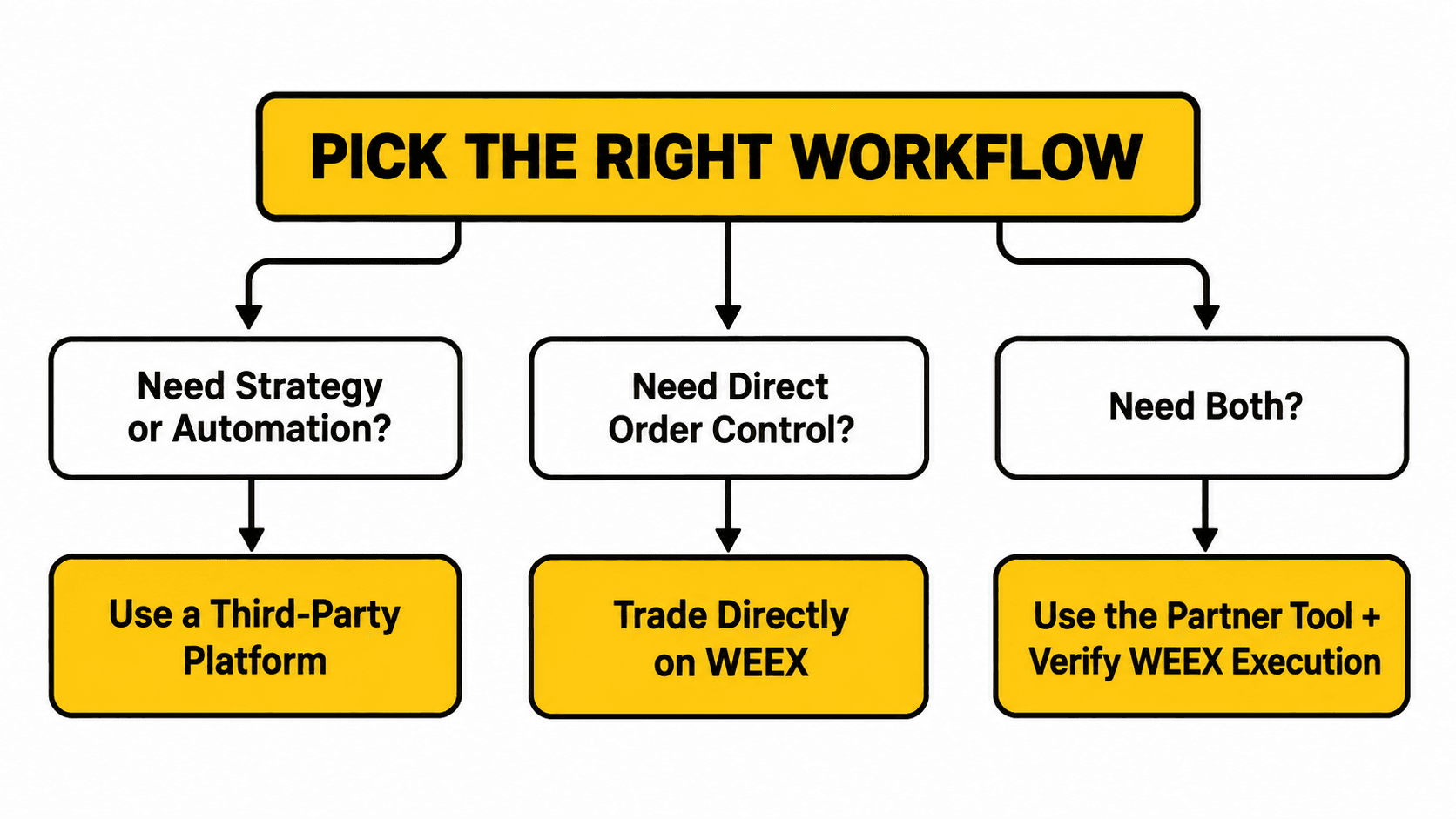
Use a third-party platform when you need a genuine additional capability, such as strategy automation, a specialized terminal, structured signal delivery, or portfolio-level workflows. The value should come from the tool’s function—not from vague promises about better results.
Trade directly on WEEX when you want direct order control, a simpler account path, and a clear view of your own actions inside the exchange interface.
Use a combined workflow when a partner tool helps you research, organize, or generate an order idea, while you still verify the relevant trade details and execution status on WEEX. For many experienced users, this is the most practical model: use the right tool for the right task, while keeping clear ownership of the final trading decision.
How WEEX Broker Supports Third-Party Trading Products
WEEX Broker is designed for professional partners that provide trading products or services through API integration. The program supports partners such as trading terminals, quantitative platforms, bot providers, and social-trading products.
Approved partners can receive API integration support and a Broker ID for qualifying order attribution. WEEX also states that its broker offering includes a commission dashboard, configurable risk controls such as trading limits and leverage settings, flexible settlement options, and dedicated support.
For platforms considering an integration, the next step is to review the WEEX Broker program and the WEEX Broker Program FAQ. The FAQ explains which partner types may apply, how Broker ID attribution works, and how eligible API orders are handled under the program rules.
WEEX Editorial View: Choose Transparency Over Convenience Alone
A trading interface should make decisions clearer, not more opaque. Third-party tools can be genuinely useful, especially when they provide strategy, automation, or professional workflow features. But convenience is not a substitute for visibility.
At WEEX, we believe users should be able to identify the full cost of a trade, understand where an order is executed, and retain meaningful control over permissions and execution settings. Direct trading and partner-led workflows can both serve real needs—as long as the route is chosen deliberately and the user remains informed.
FAQs
1. Is Trading Through a Third-Party Platform More Expensive Than Trading Directly on WEEX?
Not necessarily. The answer depends on the applicable WEEX trading costs, the order type, market conditions, and whether the third-party platform charges a separate subscription, service, or performance fee.
2. Does a Third-Party Platform Provide Different Liquidity From WEEX?
A third-party platform may provide a different interface or workflow. If it routes an order to WEEX, the order is executed against WEEX market conditions according to the submitted order details.
3. Is Direct WEEX Trading Safer Than Using a Third-Party Tool?
Direct trading involves fewer service layers, but users should assess security based on permissions, account protection, and operational practices. When using a third-party tool, grant only necessary permissions and verify how access can be revoked.
4. Can Trading Platforms Integrate With WEEX Through the Broker Program?
Yes. WEEX Broker is designed for professional partners that offer API-connected trading products or services, including terminals, quantitative platforms, bot providers, and social-trading platforms.
Sources
This content is provided for general informational purposes only and doesn't constitute financial, investment, legal, or tax advice. Any events, rewards, online promotions, or related information mentioned herein should not be considered a recommendation, solicitation, or invitation to purchase, sell, trade, or otherwise deal in any crypto assets. Crypto assets are highly volatile and may result in loss. The availability of WEEX services, products, and related events may vary by region. You are responsible for ensuring that your participation is in accordance with applicable local laws and regulations.
You may also like
How to Day Trade Crypto for Beginners: Do the Fee Math First
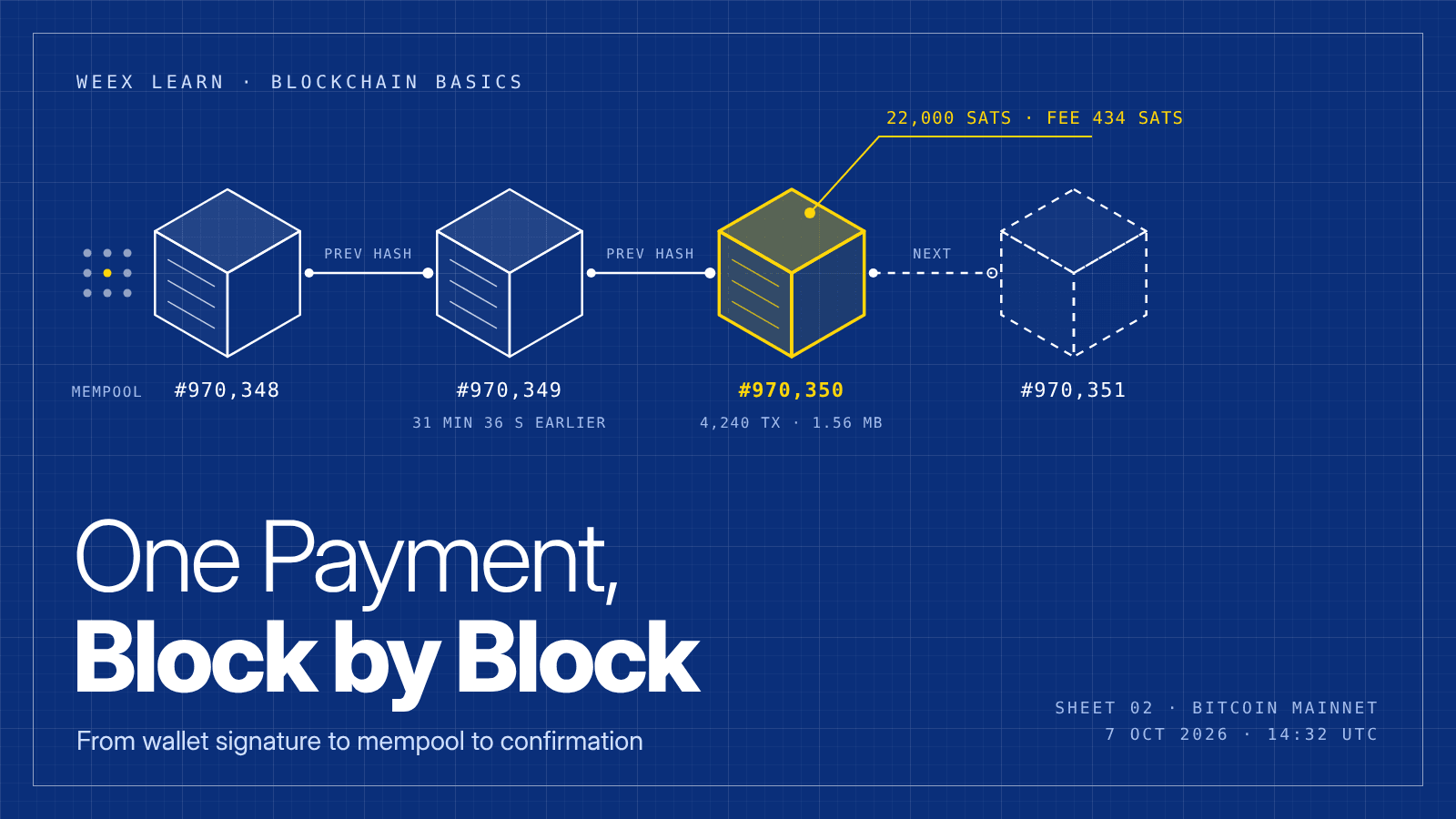
What Is Blockchain and How Does It Work? One Real Payment Traced
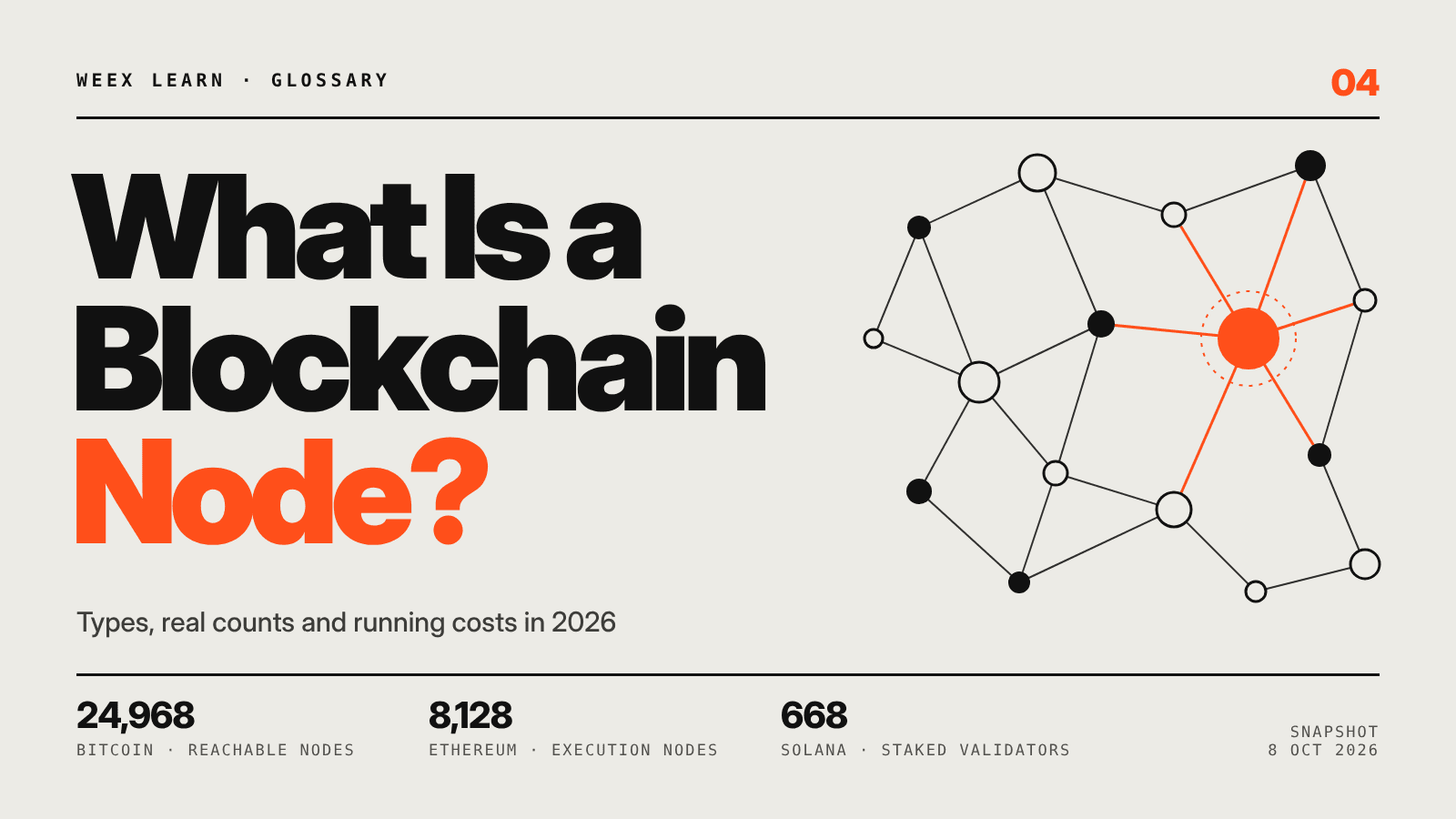
What Is a Blockchain Node? Types, 2026 Counts, and Real Costs

TSMC Stock Outlook Ahead of Q3 Earnings: Can AI Demand Push Shares Higher?

Taiwan Stock Market Nears 50,000: Can the TAIEX Break the Milestone After the Holiday?

How to Buy USDT in Thailand: Payment Methods, Fees and Transfer Checks

What Is RLC Crypto? How iExec (RLC) Powers Confidential Computing

Best Crypto Trading Strategies for Beginners: What to Know Before You Trade
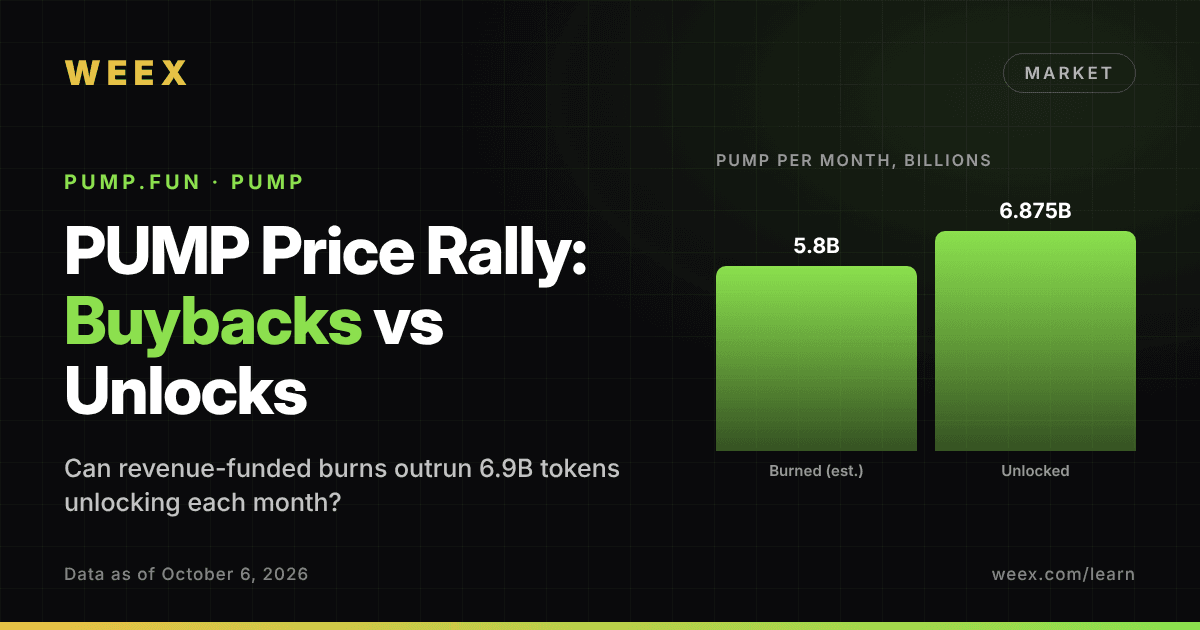
PUMP Price Rally: Can Pump.fun Buybacks Outrun Monthly Unlocks?
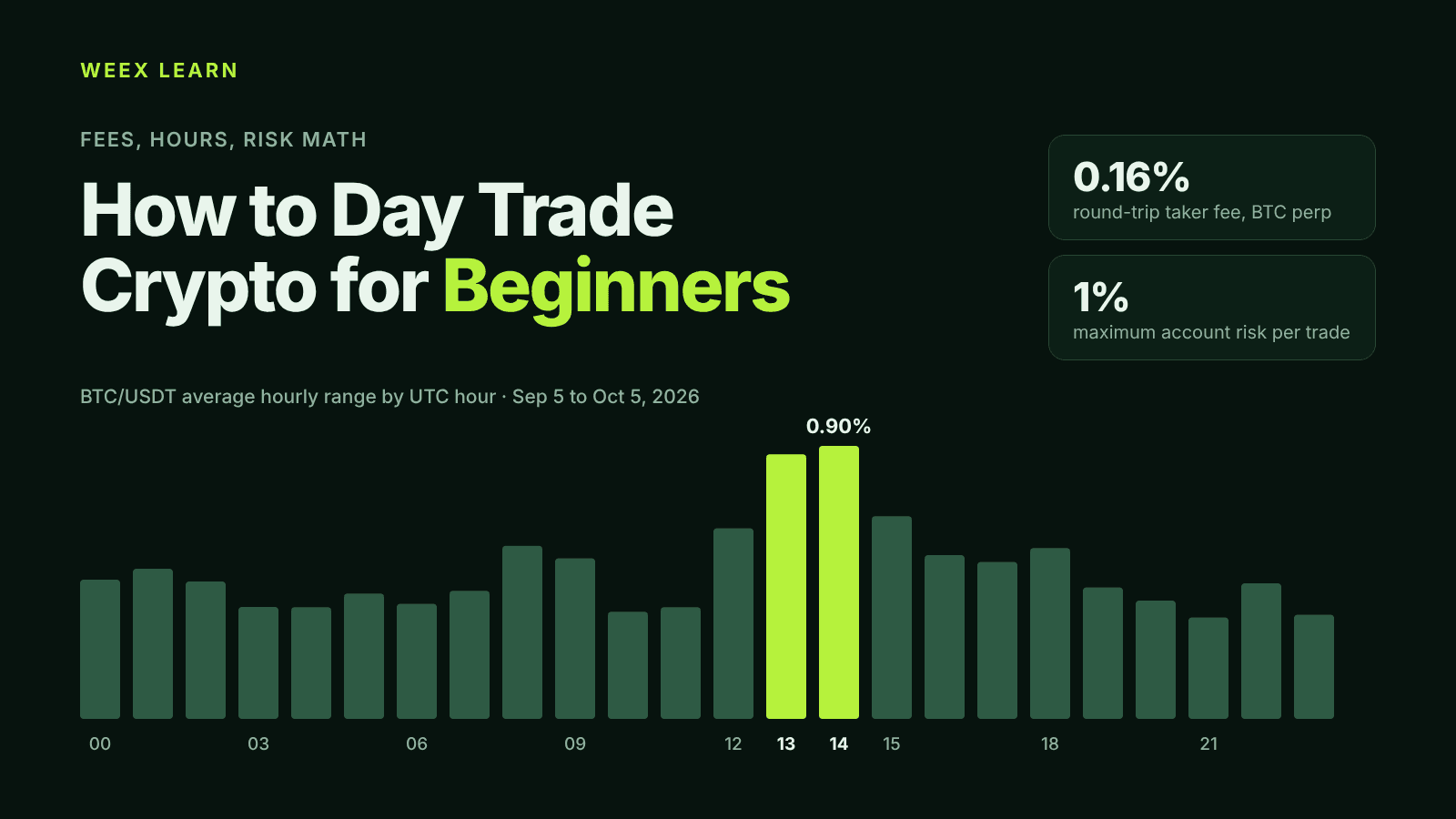
How to Day Trade Crypto for Beginners: Fees, Hours, Risk Math
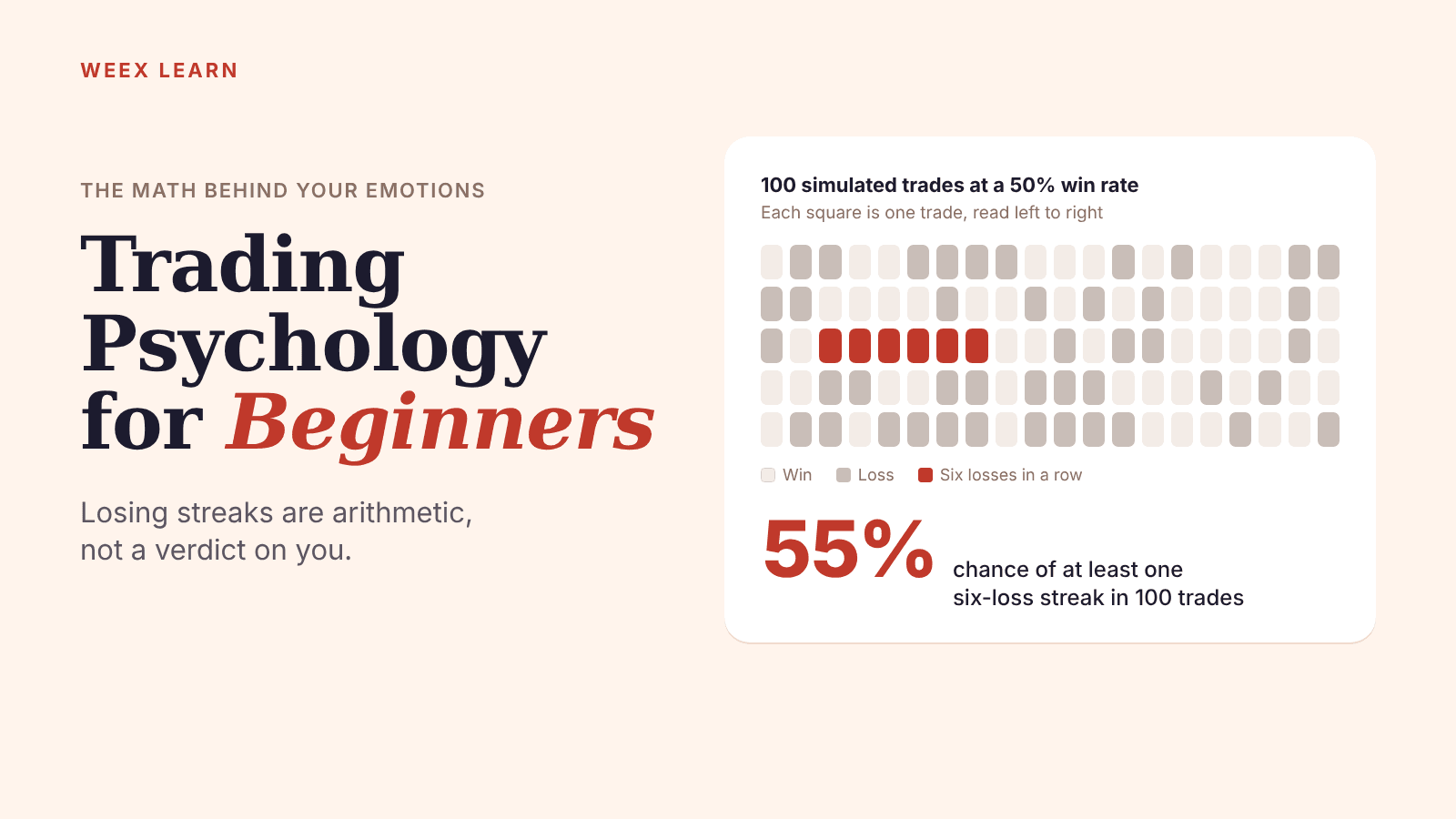
Trading Psychology for Beginners: The Math Behind Your Emotions
Best Crypto Apps for Beginners: The Five Features That Actually Matter on Your Phone
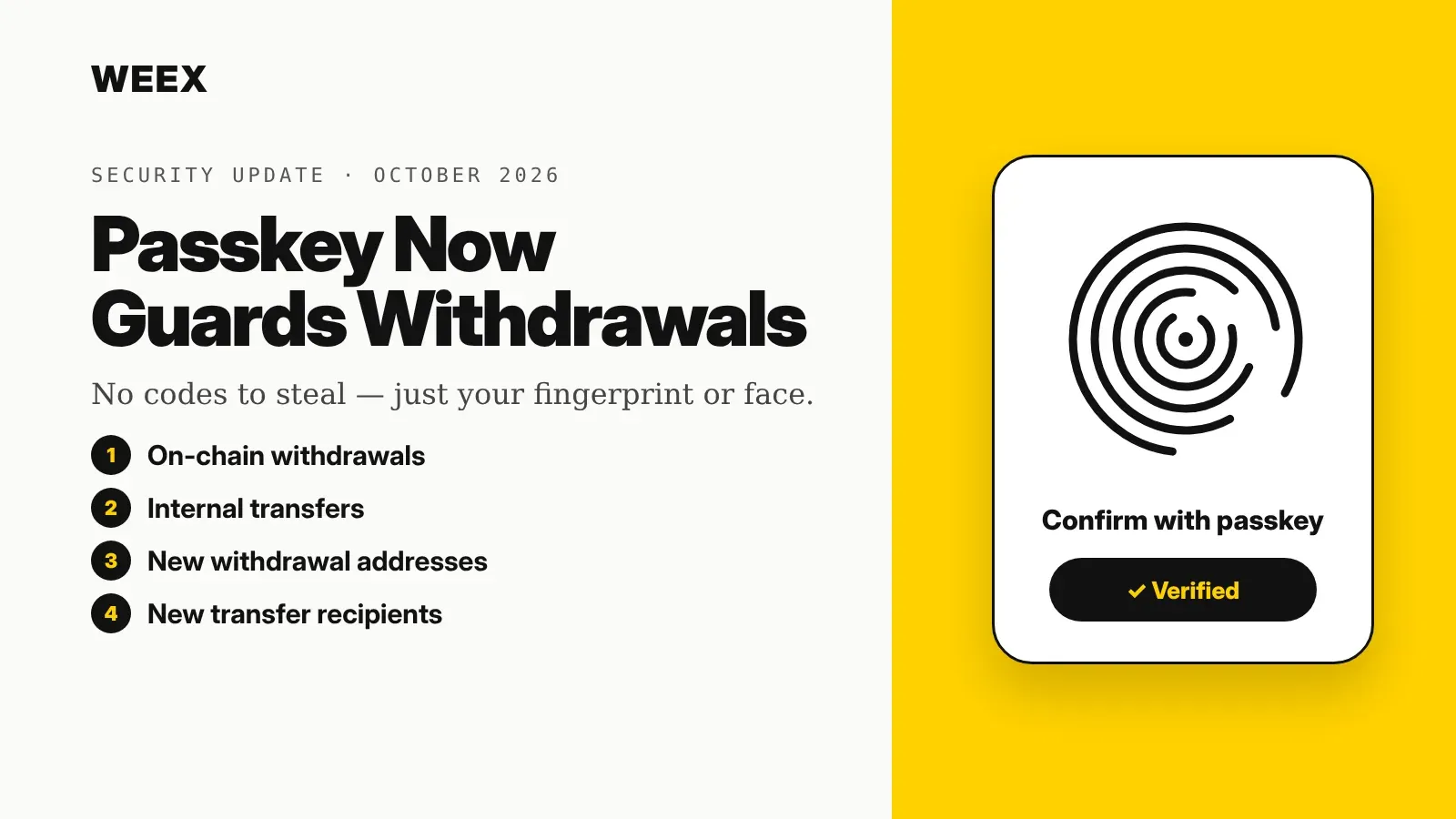
WEEX Passkey Now Secures Withdrawals: The 4 Actions It Covers
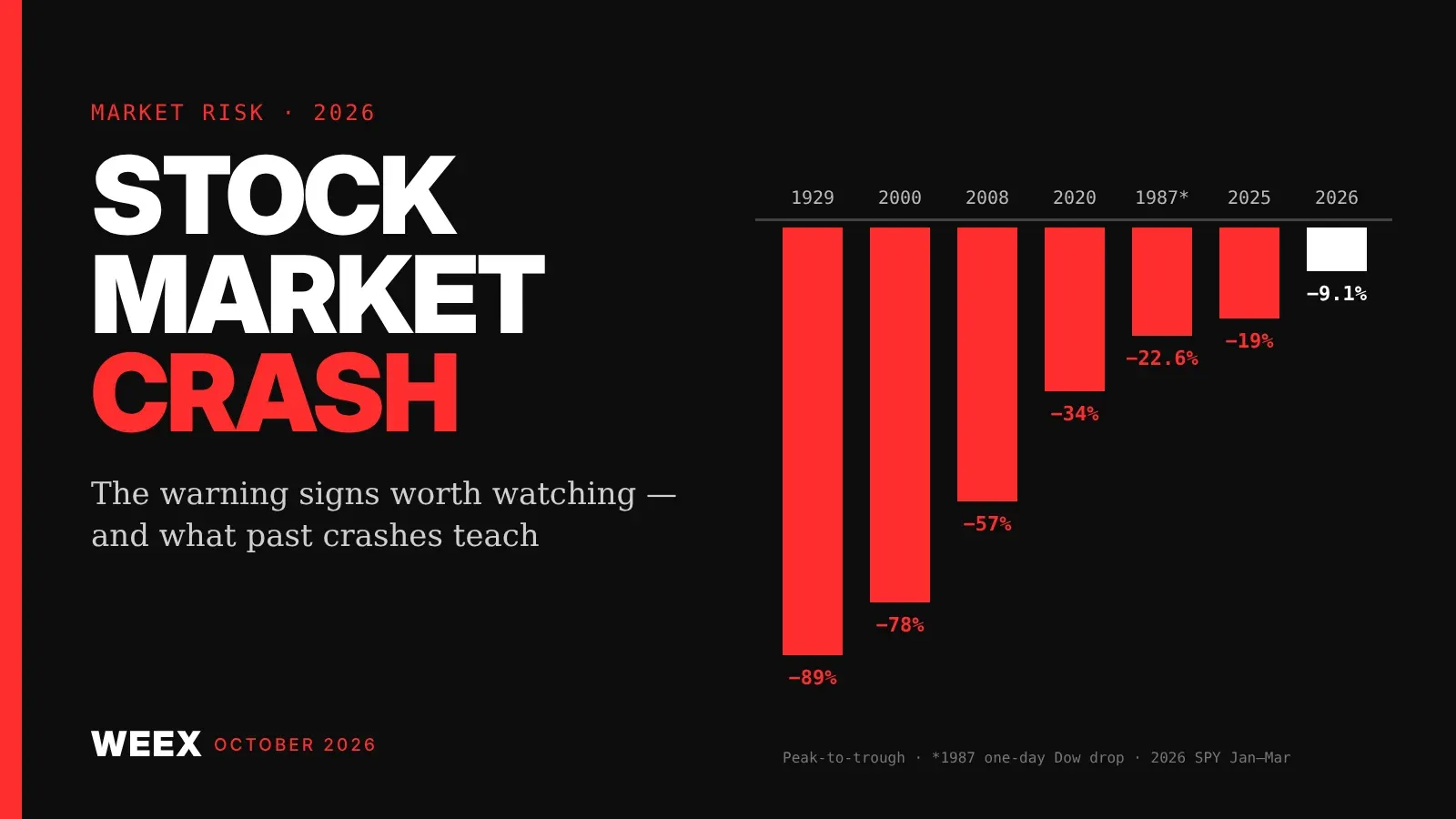
Stock Market Crash Risk in 2026: The Warning Signs Worth Watching
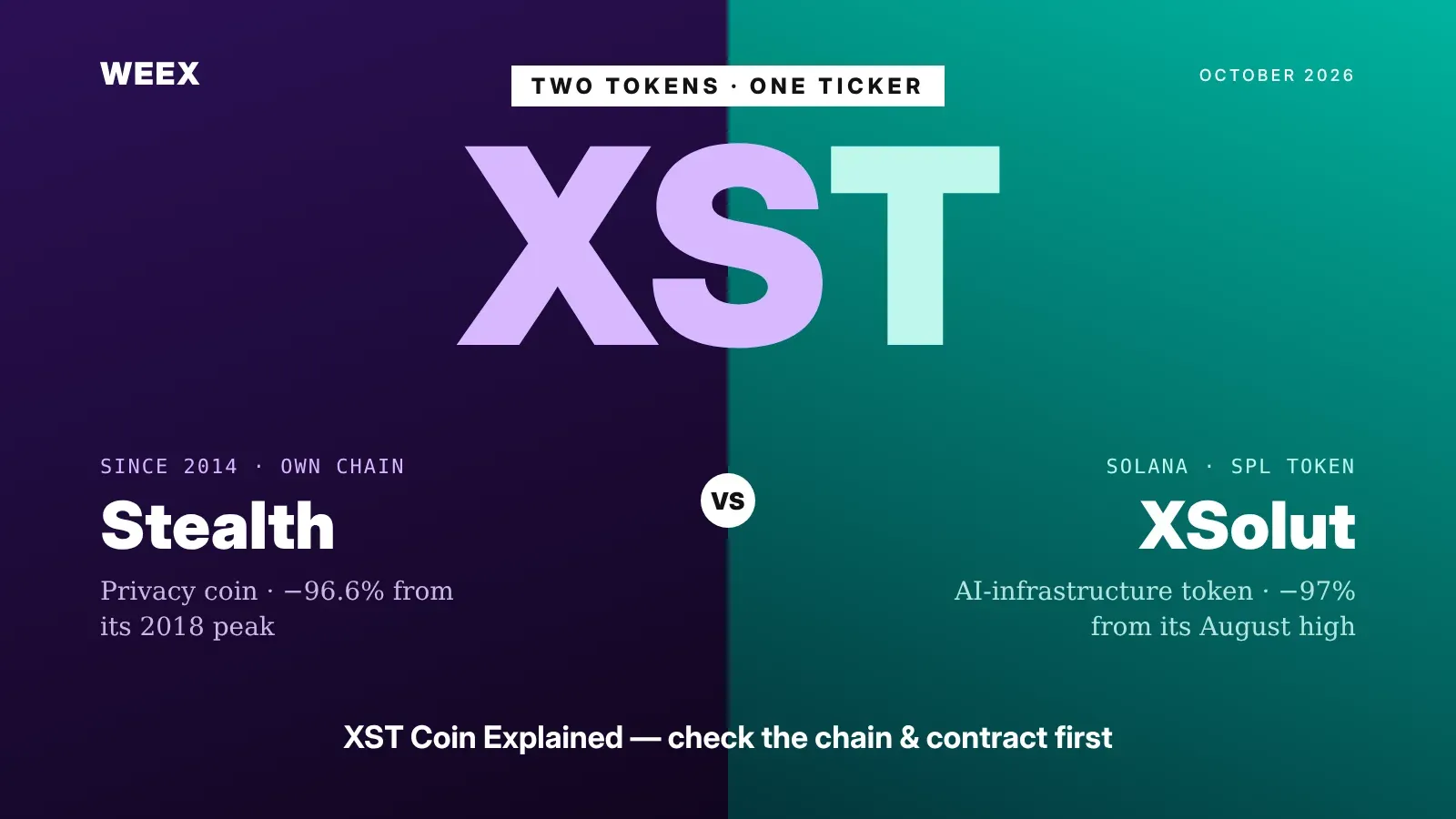
XST Coin Explained: Two Tokens Share One Ticker, Check Which One
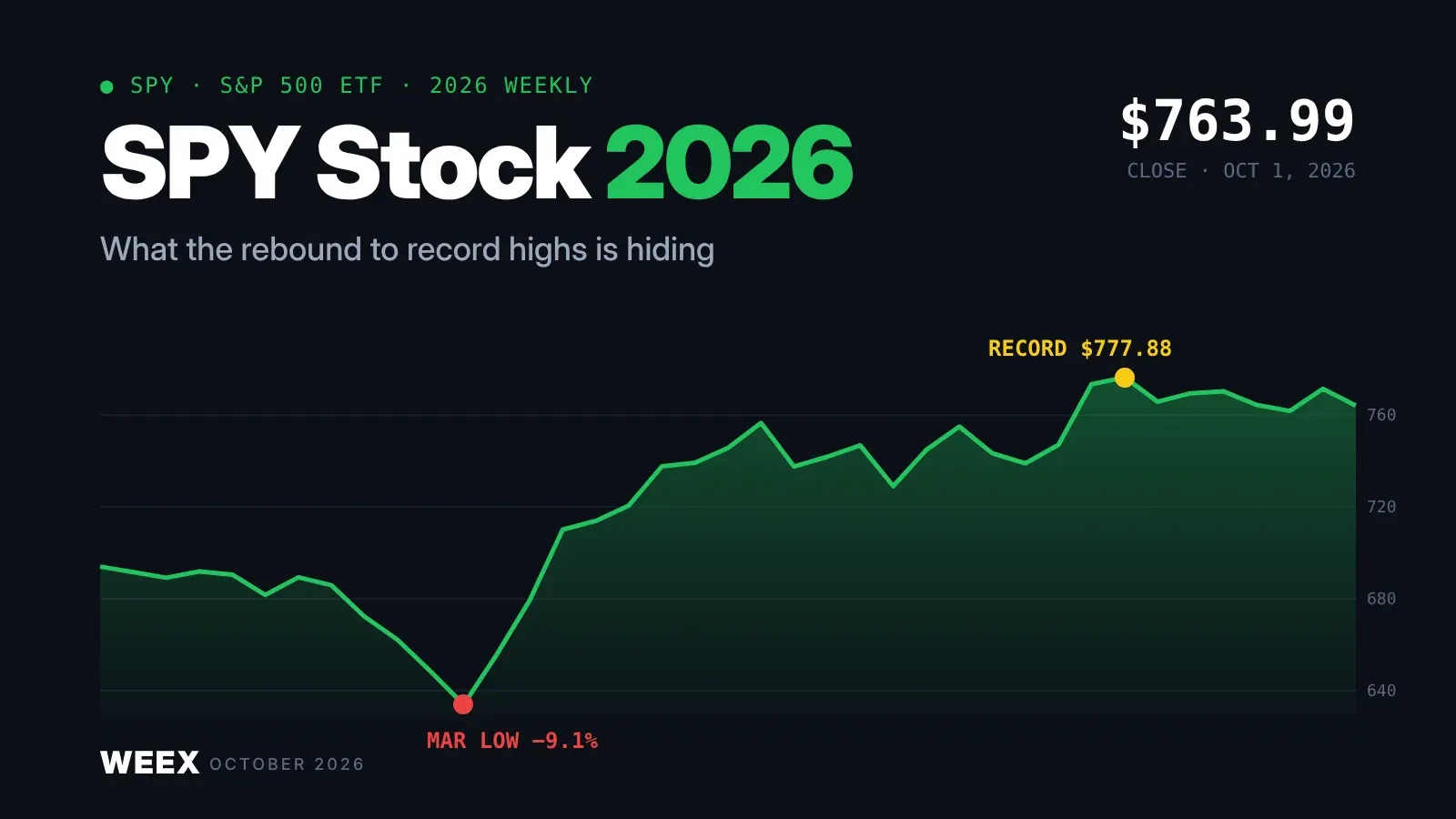
SPY Stock in 2026: What the Rebound to Record Highs Is Hiding
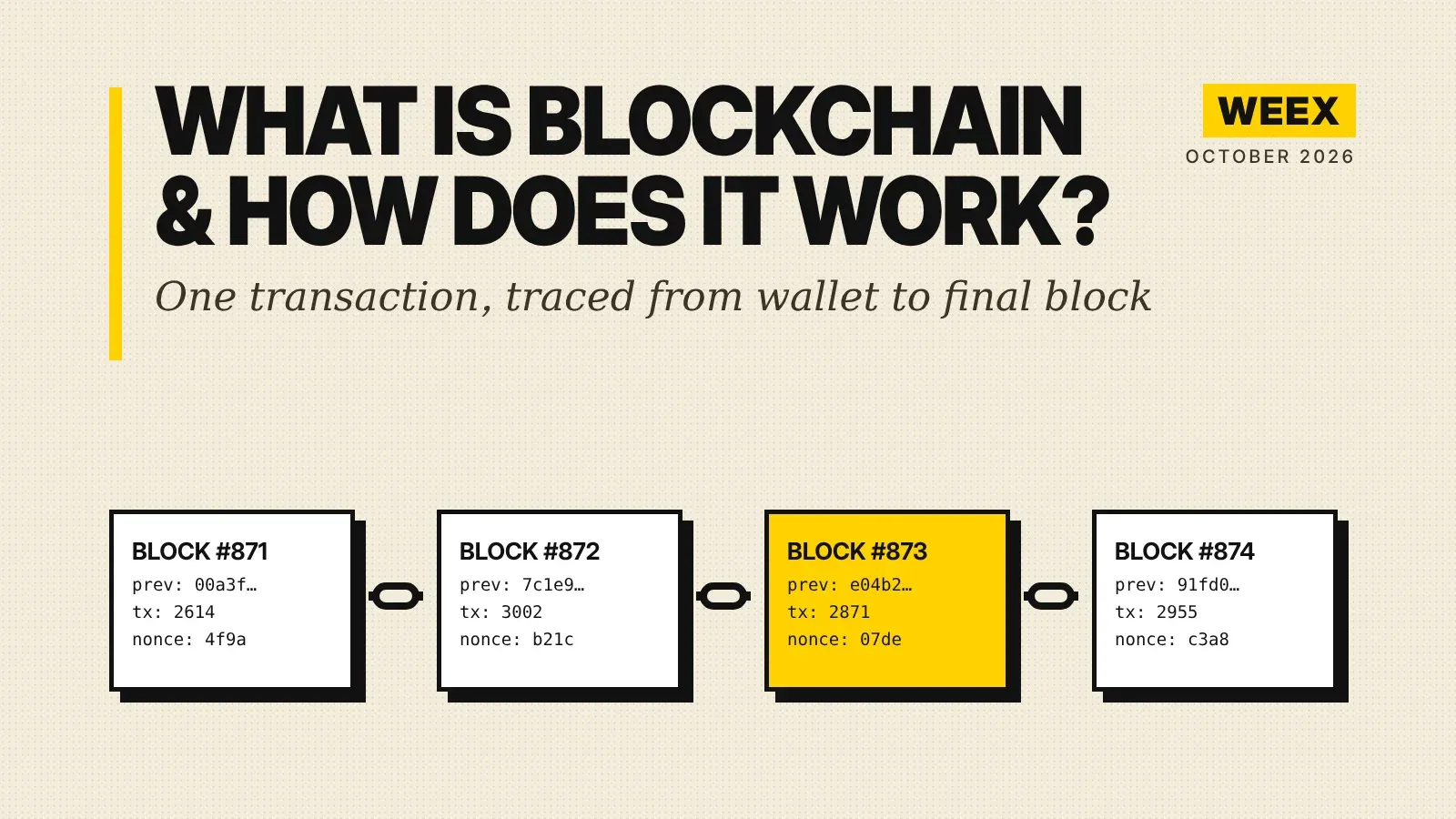
What Is Blockchain and How Does It Work? A Transaction Traced
How to Buy Crypto with PayPal: The Custody Catch Most Beginners Miss
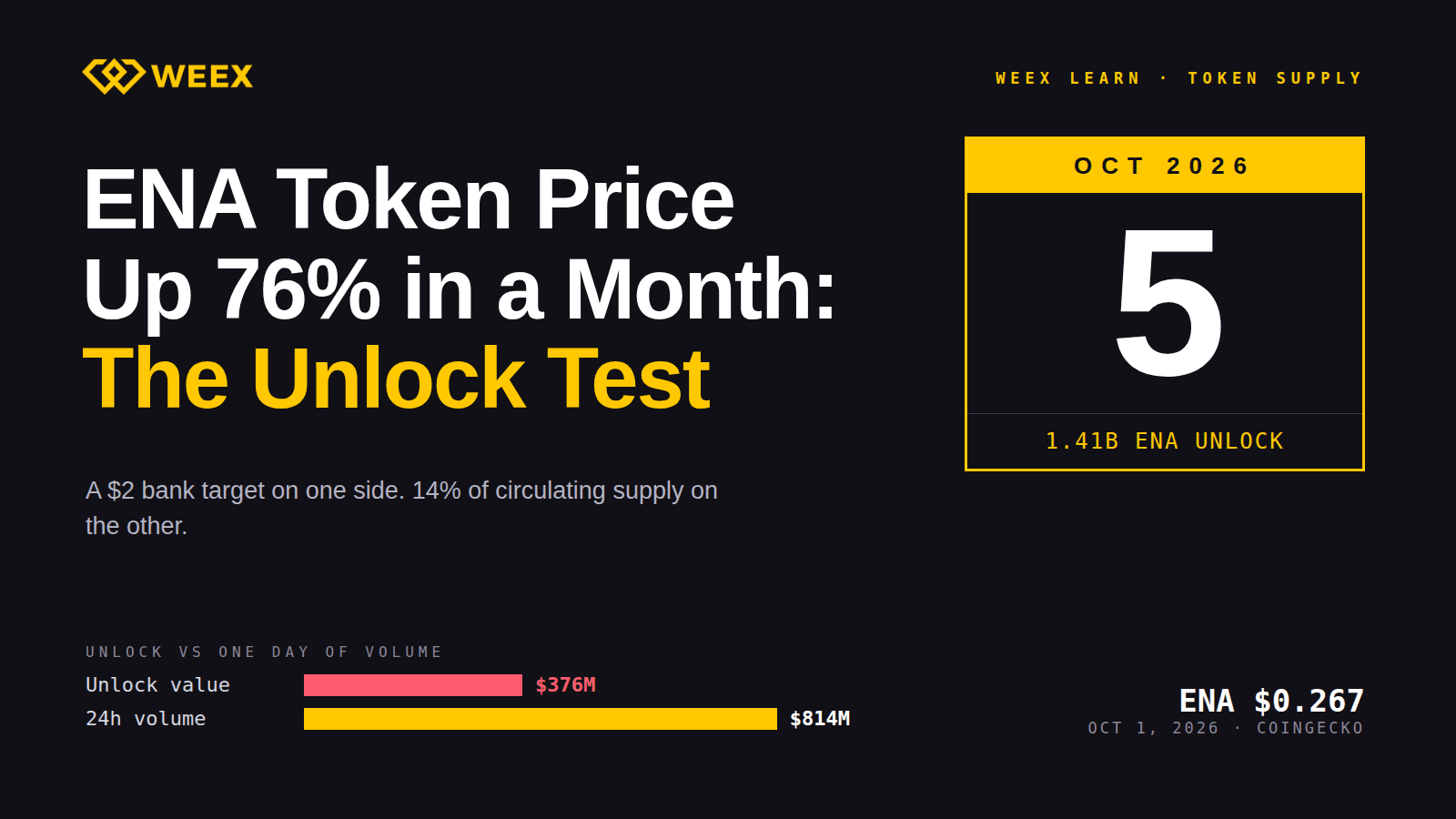
ENA Token Price Up 76% in a Month: The October 5 Unlock Test
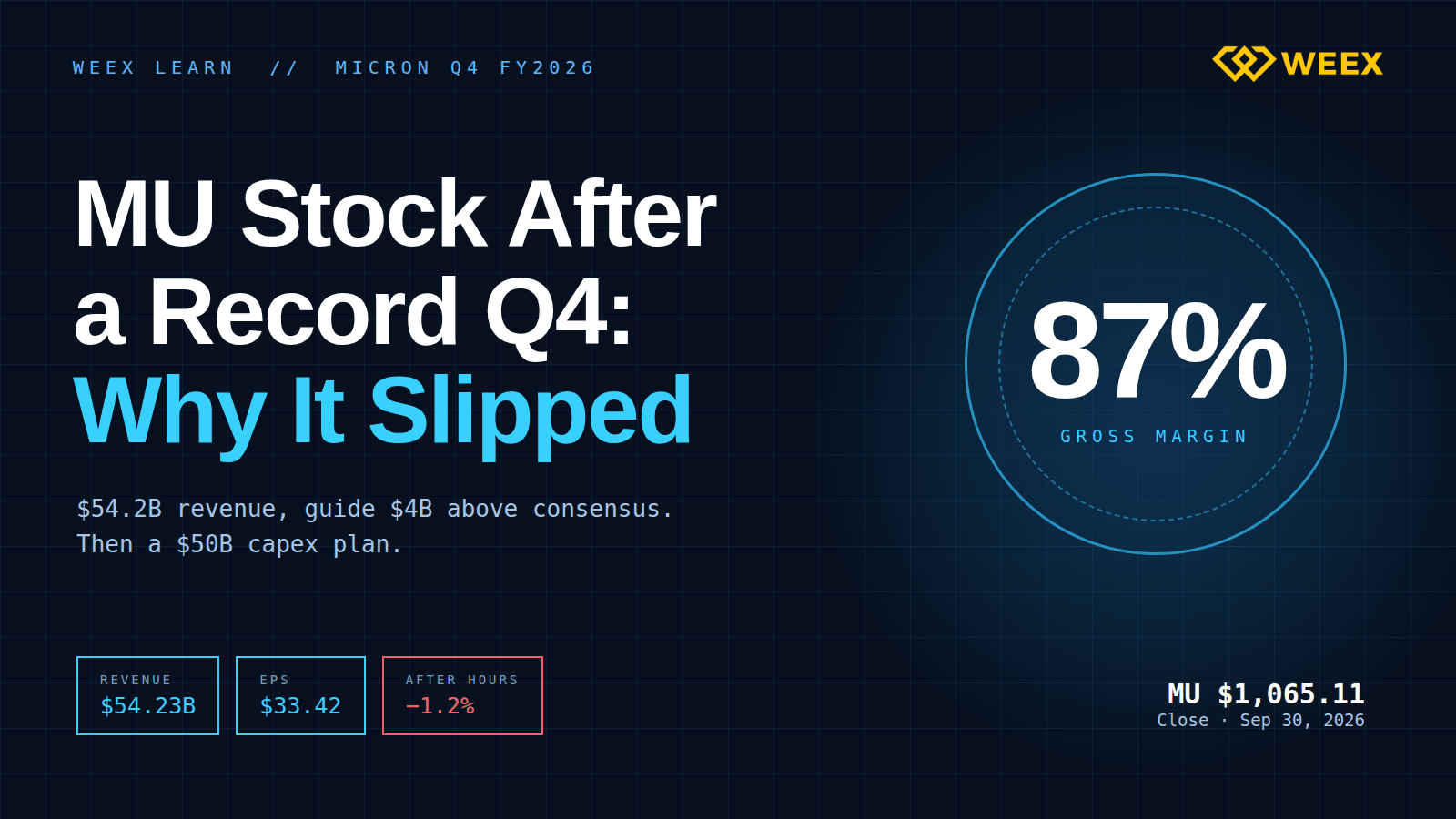
MU Stock After a Record Q4: Why Micron Slipped on a Huge Beat
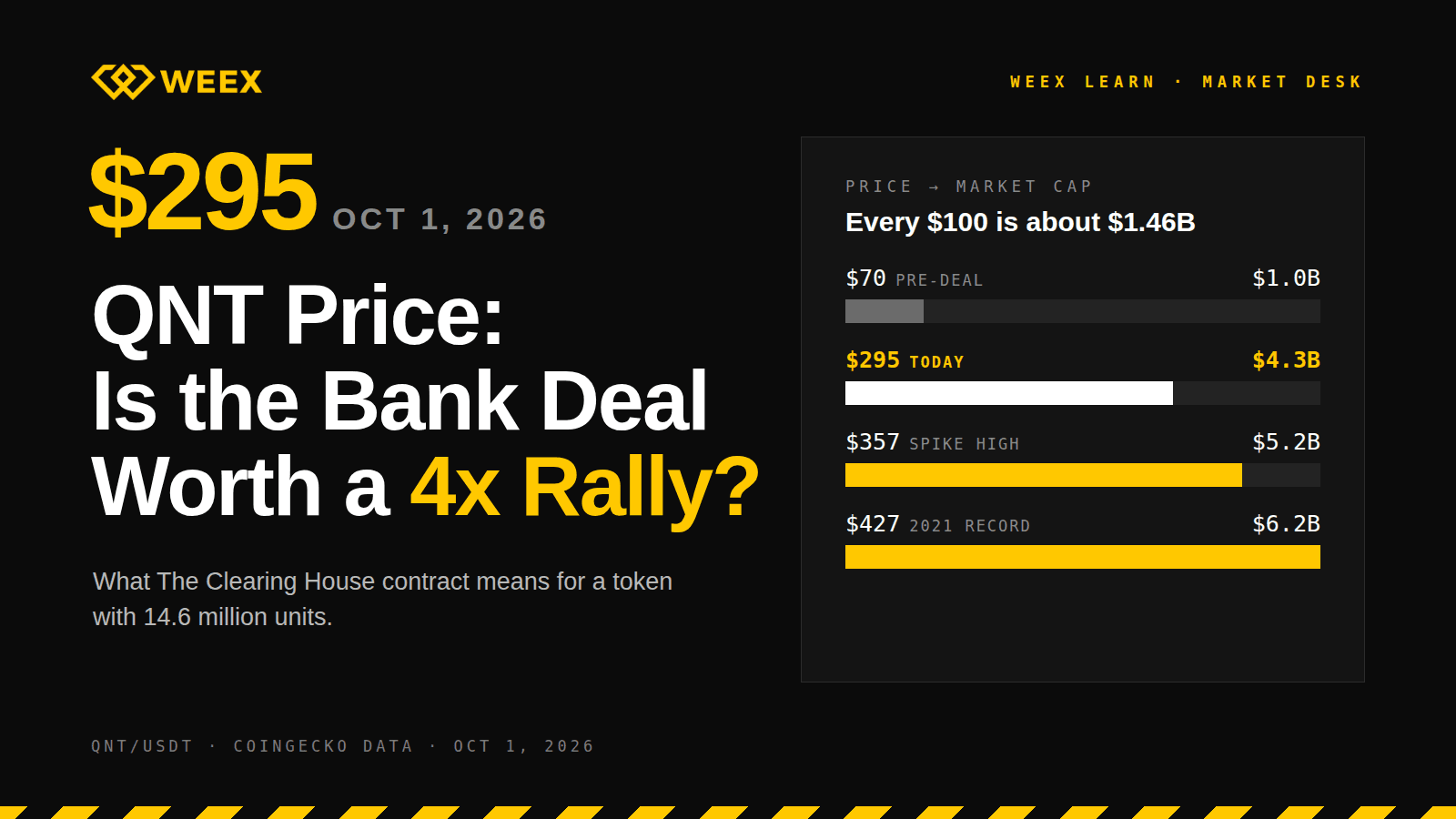
QNT Price Near $295: Does the Bank Deal Justify a 4x Rally?
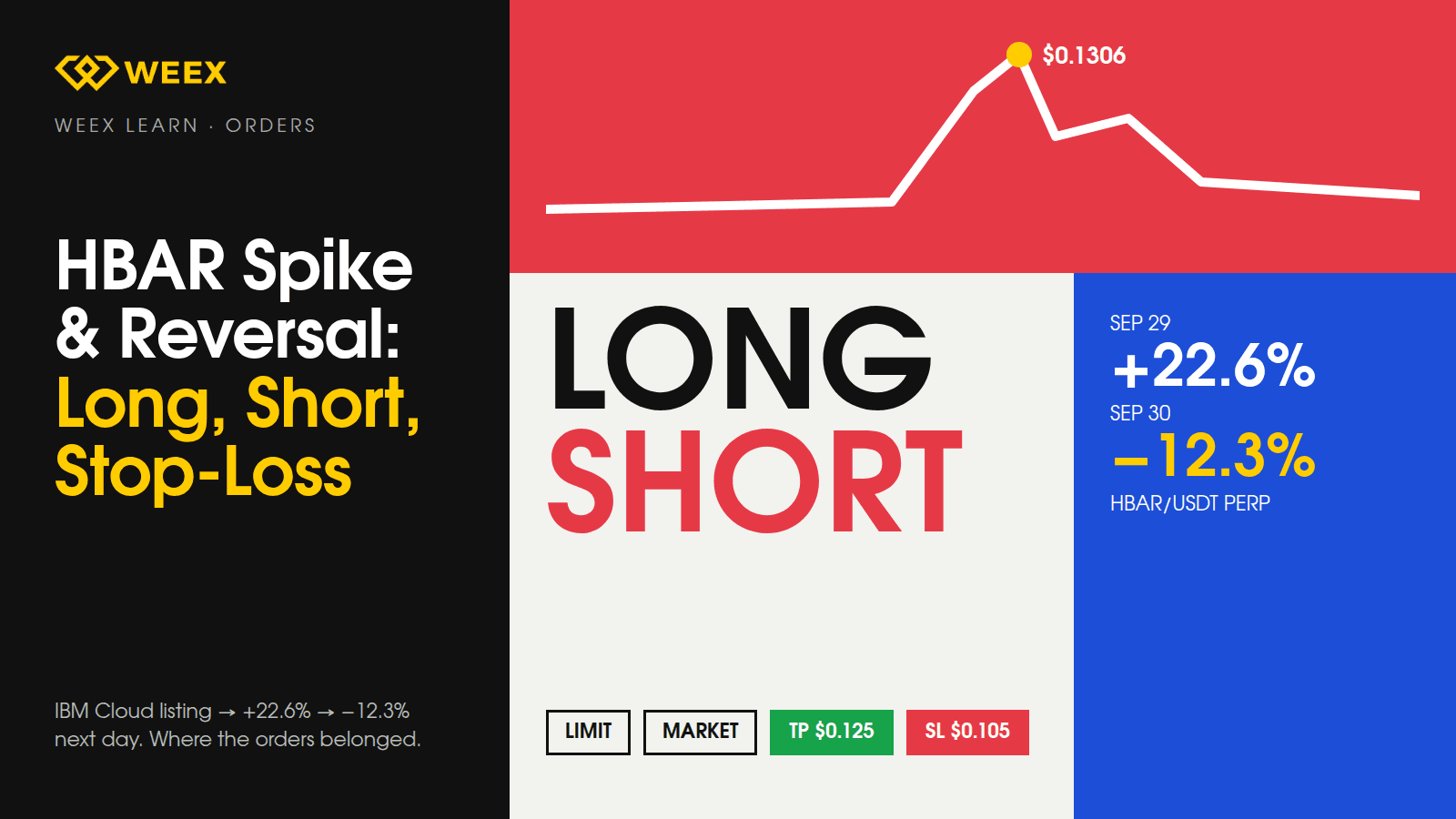
HBAR Price Spike and Reversal: Long, Short, and Stop-Loss Orders
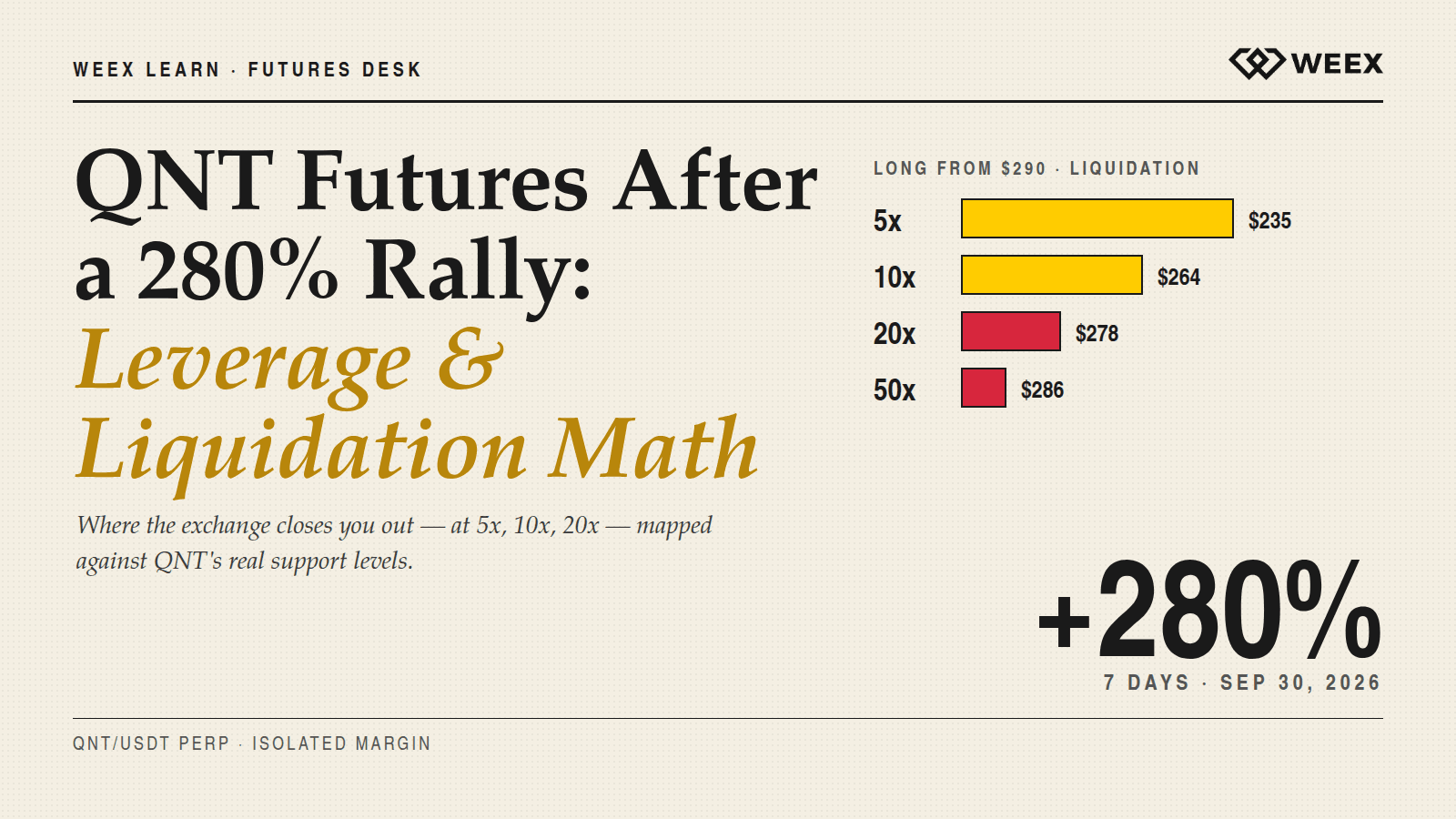
QNT Futures After a 280% Rally: Leverage and Liquidation Math
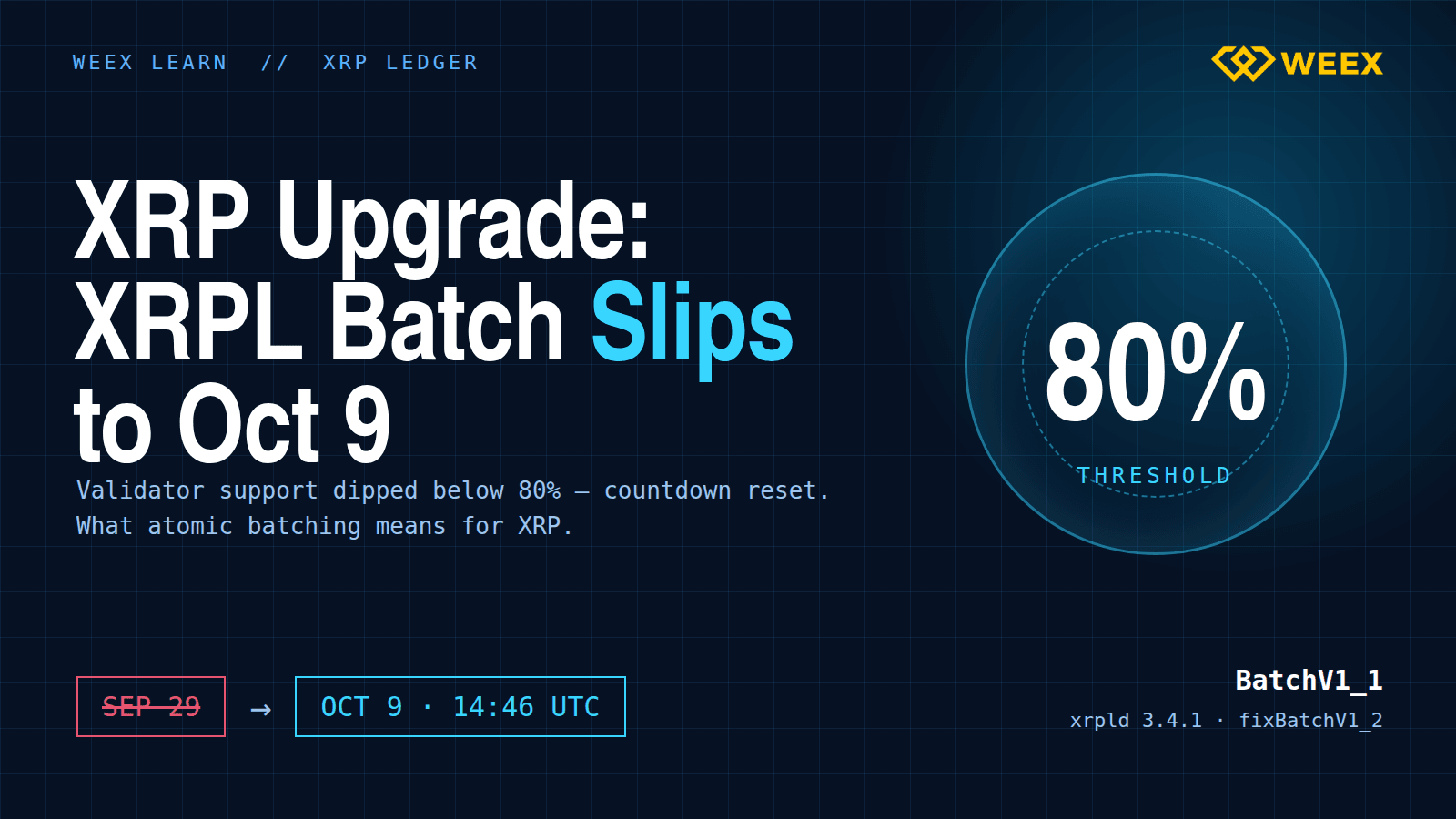
XRP Upgrade Update: XRPL Batch Slips to Oct 9 and What Changes

Safest Crypto Wallet in 2026: Matching Wallet Type to the Threat You're Actually Worried About
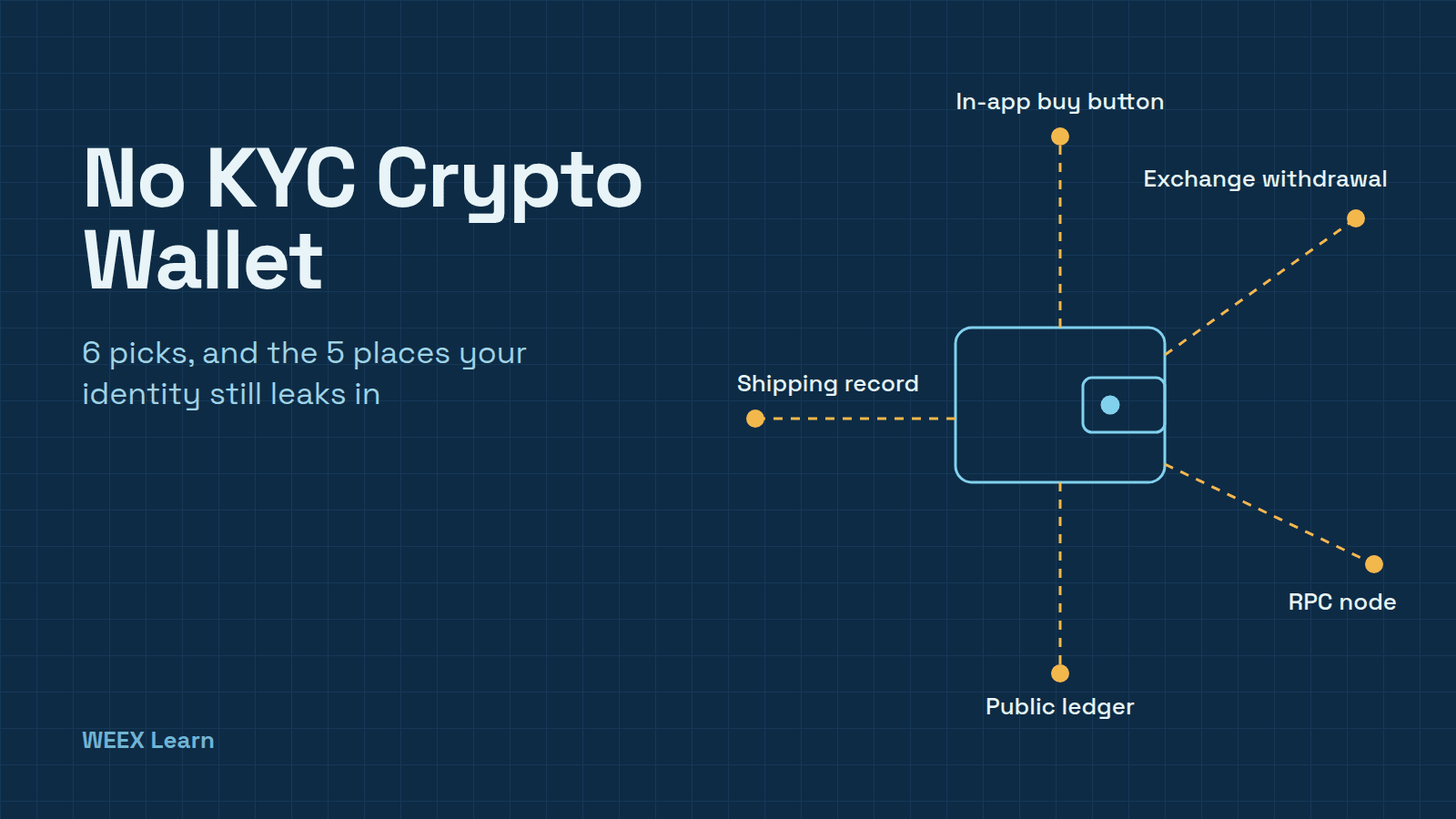
No KYC Crypto Wallet: 6 Picks and 5 Places Your ID Still Leaks
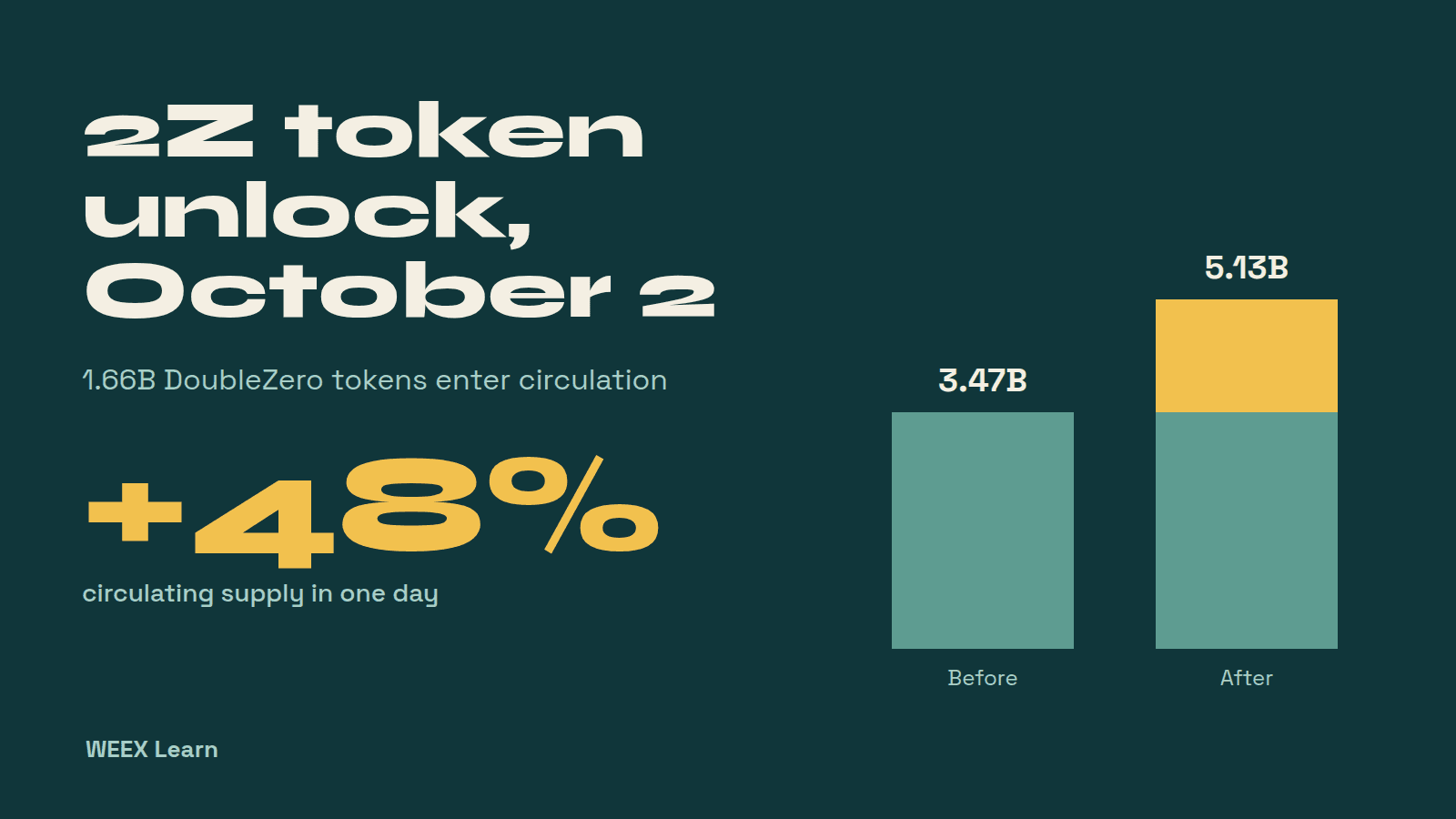
2Z Token Unlock on October 2: What 1.66B DoubleZero Tokens Mean

Best Decentralized Crypto Wallet for Beginners: What Self-Custody Really Asks of You
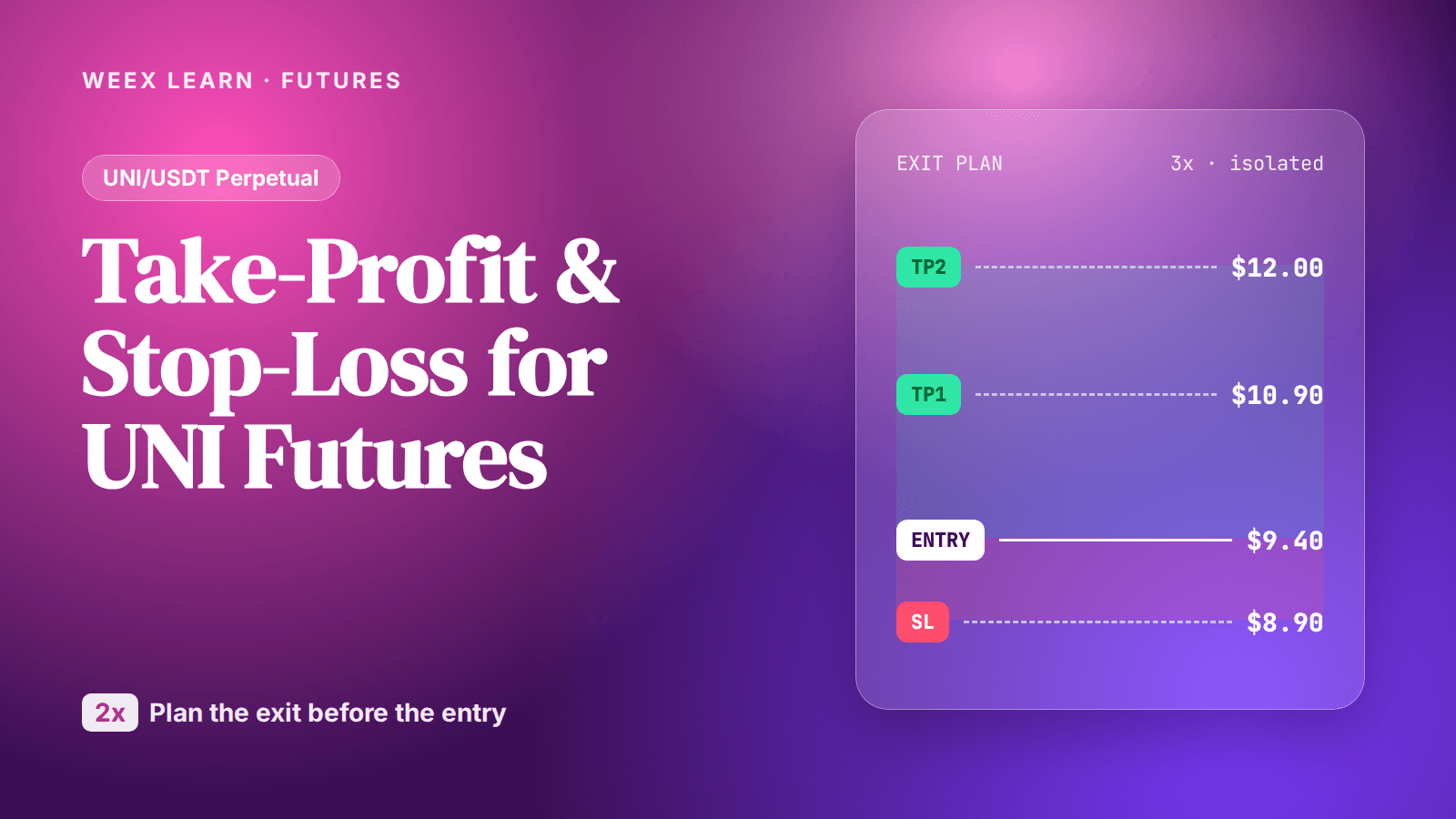
UNI Futures: How to Set Take-Profit and Stop-Loss After a 2x Run
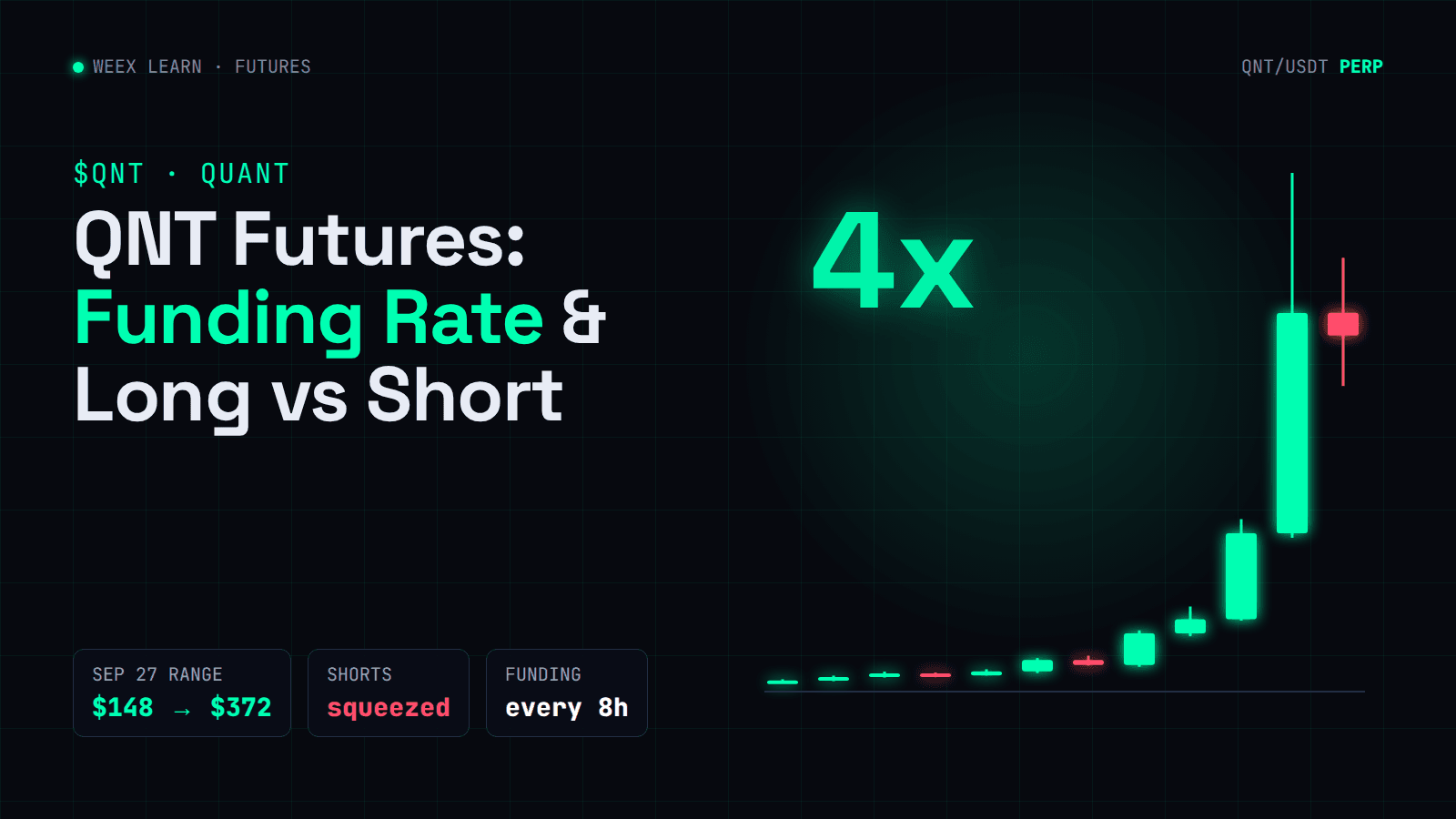
QNT Futures: Funding Rate and Long vs Short After a 4x Rally
How to Day Trade Crypto for Beginners: Do the Fee Math First
What Is Blockchain and How Does It Work? One Real Payment Traced
What Is a Blockchain Node? Types, 2026 Counts, and Real Costs
TSMC Stock Outlook Ahead of Q3 Earnings: Can AI Demand Push Shares Higher?
Taiwan Stock Market Nears 50,000: Can the TAIEX Break the Milestone After the Holiday?
How to Buy USDT in Thailand: Payment Methods, Fees and Transfer Checks


