
Crypto Liquidation Explained: Why $300M in Longs Got Wiped Out

 Prefer us on Google


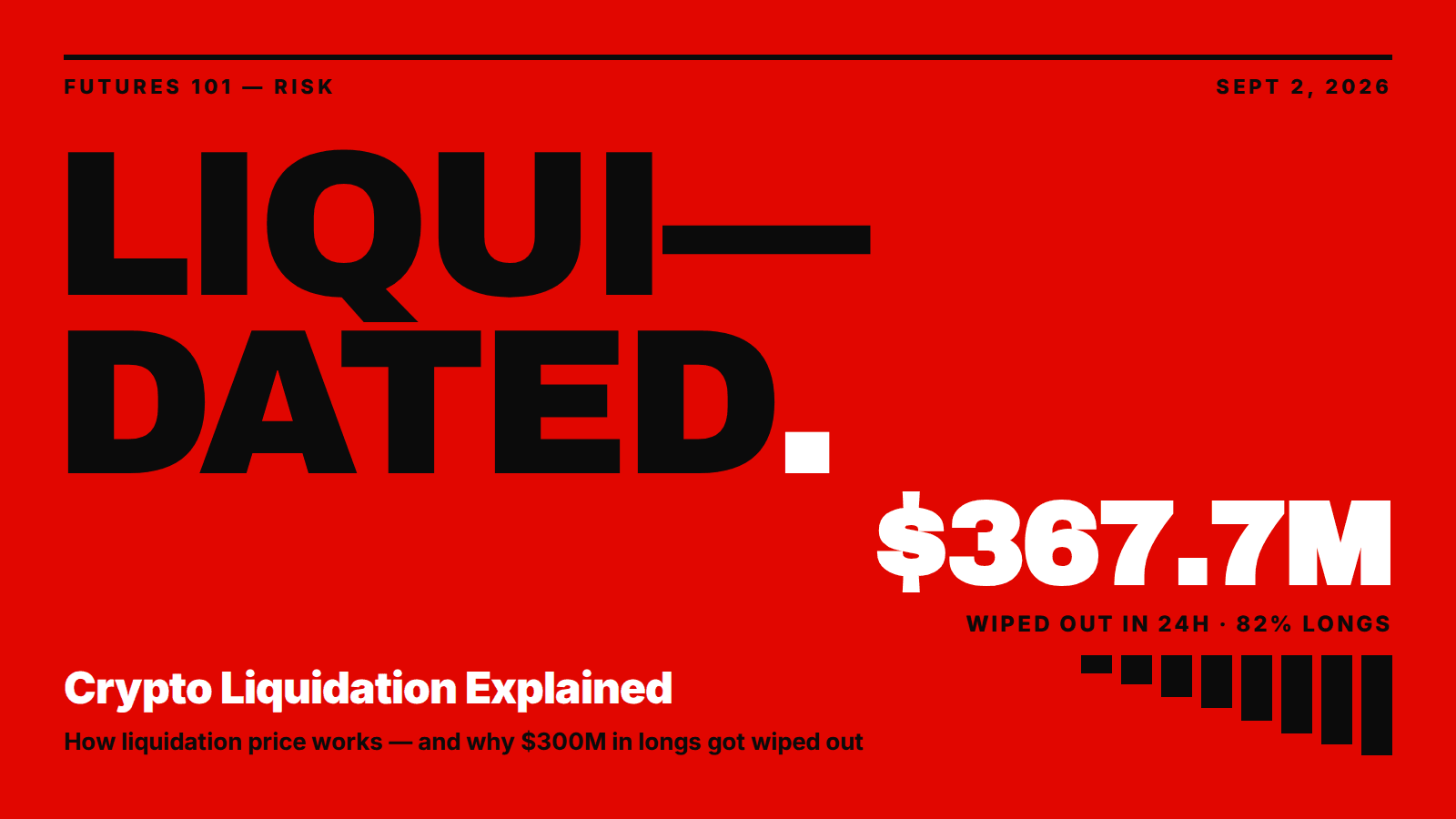
A crypto liquidation happens when a leveraged futures position loses enough that its remaining margin can no longer cover the maintenance requirement, and the exchange closes it by force. On Sept. 2, 2026, that happened to 90,090 traders in 24 hours: $367.7 million was liquidated across the market, and $300.4 million of it came from longs. Two weeks later, the same mechanism hit the other side as Bitcoin crossed $80,000 and wiped out about $170 million in shorts in an hour. This guide explains how liquidation works, shows the liquidation-price math on those real moves, and lists the habits that keep a position from being force-closed.
What Happened in the Sept. 2 Crypto Liquidation
The setup was a crowded long into a macro headwind.
- Trigger: Fed rate-hike odds for the Sept. 16 meeting jumped to 66%, up from about 35% a week earlier, as oil and Treasury yields rose
- Price: Bitcoin failed a retest of $80,000 and dropped to $76,548; ETH fell about 3% to $2,368; SOL lost $100; XRP slid to $1.32
- Total liquidated: $367.73 million in 24 hours
- Longs vs shorts: $300.42 million longs (82%), $67.31 million shorts (18%)
- Largest single order: a $11.99 million ETHUSDT long on Binance
- Sentiment beforehand: the Fear & Greed Index read 70, firmly in "greed"
The last line is the one to remember. Liquidation cascades almost always start from a market that feels comfortable. When most traders are long with leverage and price dips, the first forced sales push price lower, which triggers the next layer of liquidations, and so on. That feedback loop is why a 3% move in ETH can produce a nine-figure liquidation total.
How Crypto Liquidation Works in Futures Trading
Every leveraged futures position has three numbers attached to it:
- Initial margin: the collateral you post to open the trade. At 10x leverage, that is 10% of the position's value.
- Maintenance margin: the minimum collateral the exchange requires to keep the position open, usually a small percentage of position value that rises for larger positions.
- Mark price: the fair-value price the exchange uses to judge your position, typically built from a spot index rather than the last traded price, so one bad print does not liquidate everyone.
When unrealized losses shrink your margin down to the maintenance level, based on the mark price, the liquidation engine takes over the position. You do not get to choose the exit price, and you lose the margin committed to that position.
Margin mode decides how much of your account is at risk:
- Isolated margin: only the margin assigned to that position can be lost. The liquidation price is fixed unless you add or remove margin.
- Cross margin: your whole available futures balance backs the position. The liquidation price sits further away, but a bad trade can drain the entire account.
For a deeper walk-through of how adding collateral changes the math, WEEX's guide on how adjusting margin affects your liquidation price covers long and short examples.
How to Calculate Your Liquidation Price
For a USDT-margined perpetual in isolated mode, a close approximation is:
- Long liquidation price ≈ Entry × (1 − 1/Leverage + Maintenance margin rate)
- Short liquidation price ≈ Entry × (1 + 1/Leverage − Maintenance margin rate)
Fees, funding payments, and tiered maintenance rates move the real number, so always confirm the figure shown on the order screen. The formula is still the fastest way to sanity-check a trade before you place it. Here it is on September's actual price action, assuming a 0.5% maintenance rate.
Example 1: An ETH long if Sept. 2 repeats. ETH traded near $2,600 on Sept. 18. Suppose you go long at $2,600.
- At 10x, liquidation ≈ $2,600 × 0.905 = $2,353
- At 20x, liquidation ≈ $2,600 × 0.955 = $2,483
A return to the Sept. 2 low of $2,368 is an 8.9% drop. The 10x long survives by about $15. The 20x long would be liquidated about $115 earlier, and its owner would never see the bounce.
Example 2: A BTC short into the Fed decision. BTC traded between $75,000 and $75,800 around the Sept. 16 hike. Suppose you shorted at $76,000 expecting a "sell the hike" drop.
- At 20x, liquidation ≈ $76,000 × 1.045 = $79,420
- At 10x, liquidation ≈ $76,000 × 1.095 = $83,220
BTC broke above $80,000 on Sept. 18 and hit about $81,953 that week. The 20x short was liquidated; the 10x short survived with a painful drawdown. Same thesis, same entry, opposite outcomes, decided entirely by leverage.
-- Price
Why Liquidations Cascade: Long Squeeze vs Short Squeeze
A long squeeze and a short squeeze are the same mechanism pointed in different directions.
In a long squeeze, falling price forces leveraged longs to sell, which pushes price lower and liquidates the next tier. That was Sept. 2. In a short squeeze, rising price forces shorts to buy back, which lifts price further. That was Sept. 18, when about $170 million in shorts were liquidated within 60 minutes as BTC cleared $80,000. Earlier, on Sept. 3, a Fed official's comments cut hike odds and roughly $416 million in shorts were liquidated in 24 hours as BTC climbed back to about $80,270.
What experienced traders watch is where the liquidation clusters sit. Round numbers like $75,000 and $80,000 attract stops and liquidation prices, which is why price often accelerates once it touches them. If your liquidation price sits just beyond an obvious level, you are standing where the cascade is most likely to reach.
How to Avoid Liquidation in Crypto Futures
None of these rules are exotic, and most liquidated traders knew them. The difference is applying them before entry.
- Put a stop-loss well inside your liquidation price. A stop lets you choose a small, planned loss; liquidation takes the whole position margin at a price you did not pick. WEEX's take-profit and stop-loss guide explains mark-price vs last-price triggers.
- Pick leverage from volatility, not ambition. If an asset can move 9% in a week, as BTC did in mid-September, 20x leaves you a 4.5% cushion.
- Prefer isolated margin for directional bets. It caps the damage to one position rather than the whole account.
- Don't "defend" a losing trade with fresh margin. Adding collateral moves the liquidation price, but it also increases what you can lose on a trade that is already wrong.
- Watch funding and open interest. Rising open interest with persistently positive funding means longs are crowded, the exact conditions that preceded Sept. 2.
WEEX's article on using liquidation prices as part of a trading plan adds practical ideas such as price alerts near your liquidation level.
Crypto Liquidation: The Bottom Line
A crypto liquidation is not bad luck. It is the predictable result of leverage meeting a normal-sized move. September 2026 showed it twice: $300 million in longs liquidated on a 3%–4% dip, then $170 million in shorts wiped out in an hour on a breakout. Calculate your liquidation price before you enter, set a stop well inside it, and choose leverage that survives the asset's normal weekly range. Whether you trade the WEEX ETH/USDT perpetual or any other pair, make checking the estimated liquidation price in the order panel a habit before you confirm, not an afterthought.
FAQ
1. What does liquidation mean in crypto?
Liquidation is the forced closing of a leveraged futures or margin position when your collateral falls to the maintenance margin level. The exchange closes the position at market, and the margin committed to it is lost.
2. How is liquidation price calculated?
For an isolated USDT-margined position, a long's liquidation price is roughly Entry × (1 − 1/Leverage + maintenance margin rate), and a short's is Entry × (1 + 1/Leverage − maintenance margin rate). The live exchange figure also reflects fees and tiered margin rates.
3. Is cross margin or isolated margin safer?
Isolated margin limits your maximum loss to the margin on that position, which makes it easier to control. Cross margin places the liquidation price further away but puts your whole futures balance at risk if the trade keeps moving against you.
4. Can you lose more than you deposit when liquidated?
On most major exchanges, retail losses in USDT-margined futures are capped at the margin in your futures account, with insurance funds covering shortfalls. In cross mode, however, that can mean losing the entire futures balance, not just one position's margin.
5. Why do liquidations happen so fast?
Liquidations cluster at similar price levels, especially round numbers. When price reaches that zone, forced orders push price further in the same direction, triggering the next group of liquidations in seconds.
Risk Warning
Crypto assets are highly volatile and may result in partial or total loss of capital. Leveraged futures magnify losses, and a liquidation can remove the full margin of a position, or an entire cross-margin balance, within minutes. Liquidation-price formulas in this article are simplified; real outcomes depend on exchange-specific maintenance tiers, fees, funding payments, mark-price methodology, and slippage in fast markets. Past liquidation events do not predict future ones. This article is for information only and is not investment advice.
This content is provided for general informational purposes only and doesn't constitute financial, investment, legal, or tax advice. Any events, rewards, online promotions, or related information mentioned herein should not be considered a recommendation, solicitation, or invitation to purchase, sell, trade, or otherwise deal in any crypto assets. Crypto assets are highly volatile and may result in loss. The availability of WEEX services, products, and related events may vary by region. You are responsible for ensuring that your participation is in accordance with applicable local laws and regulations.
You may also like
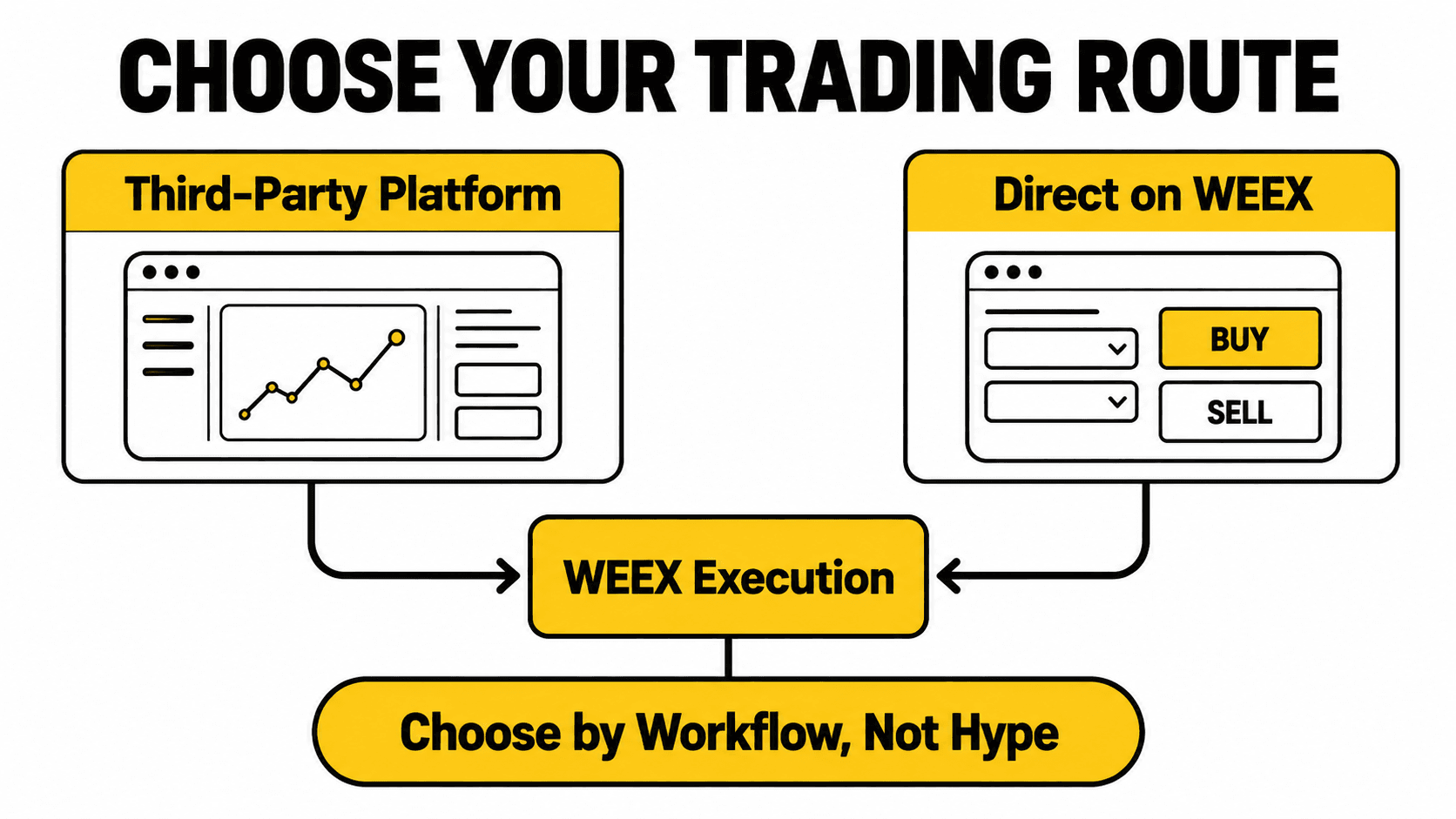
Third-Party Trading Platforms vs Direct WEEX Trading: Fees, Liquidity, Security, and Control
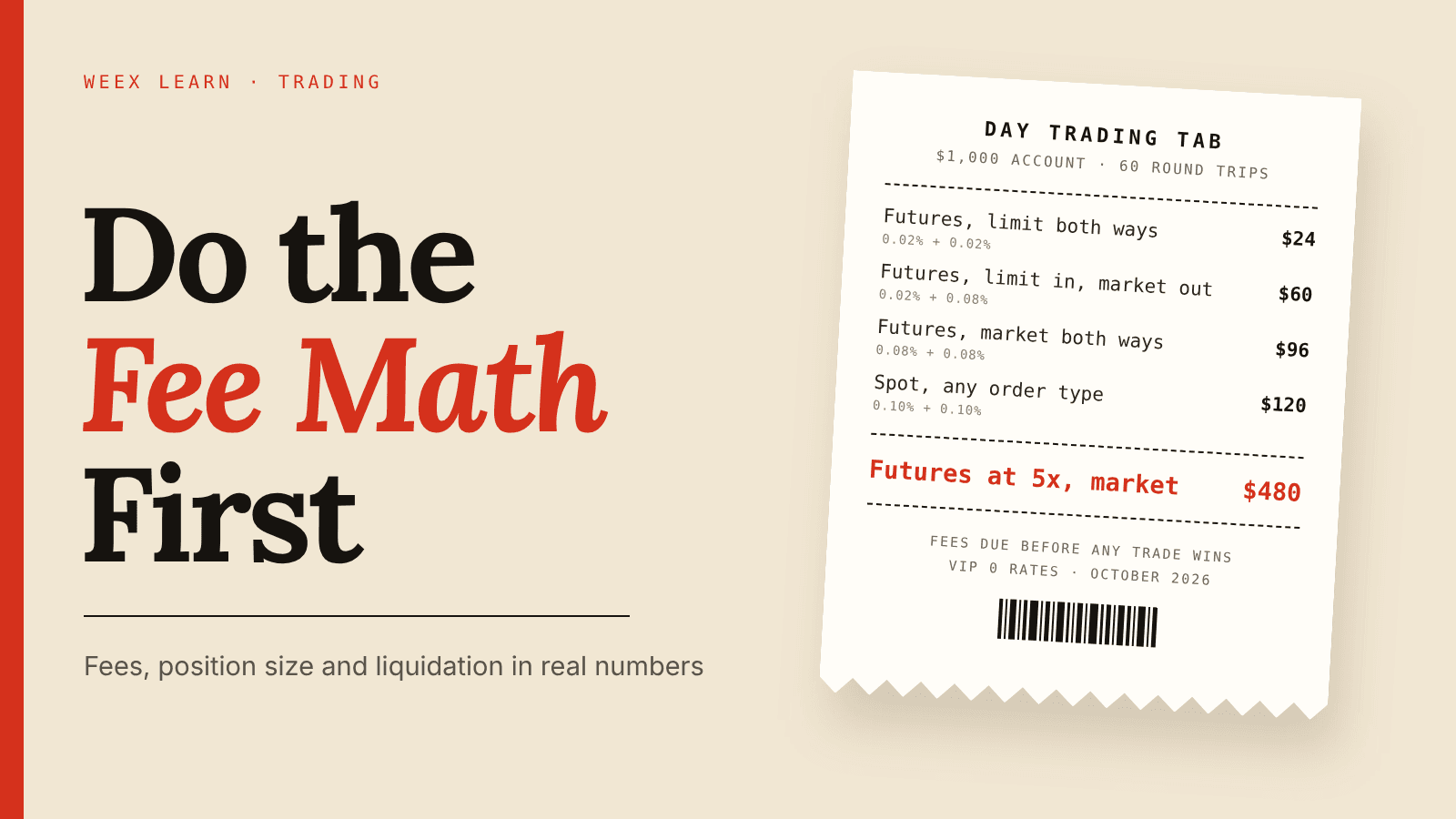
How to Day Trade Crypto for Beginners: Do the Fee Math First
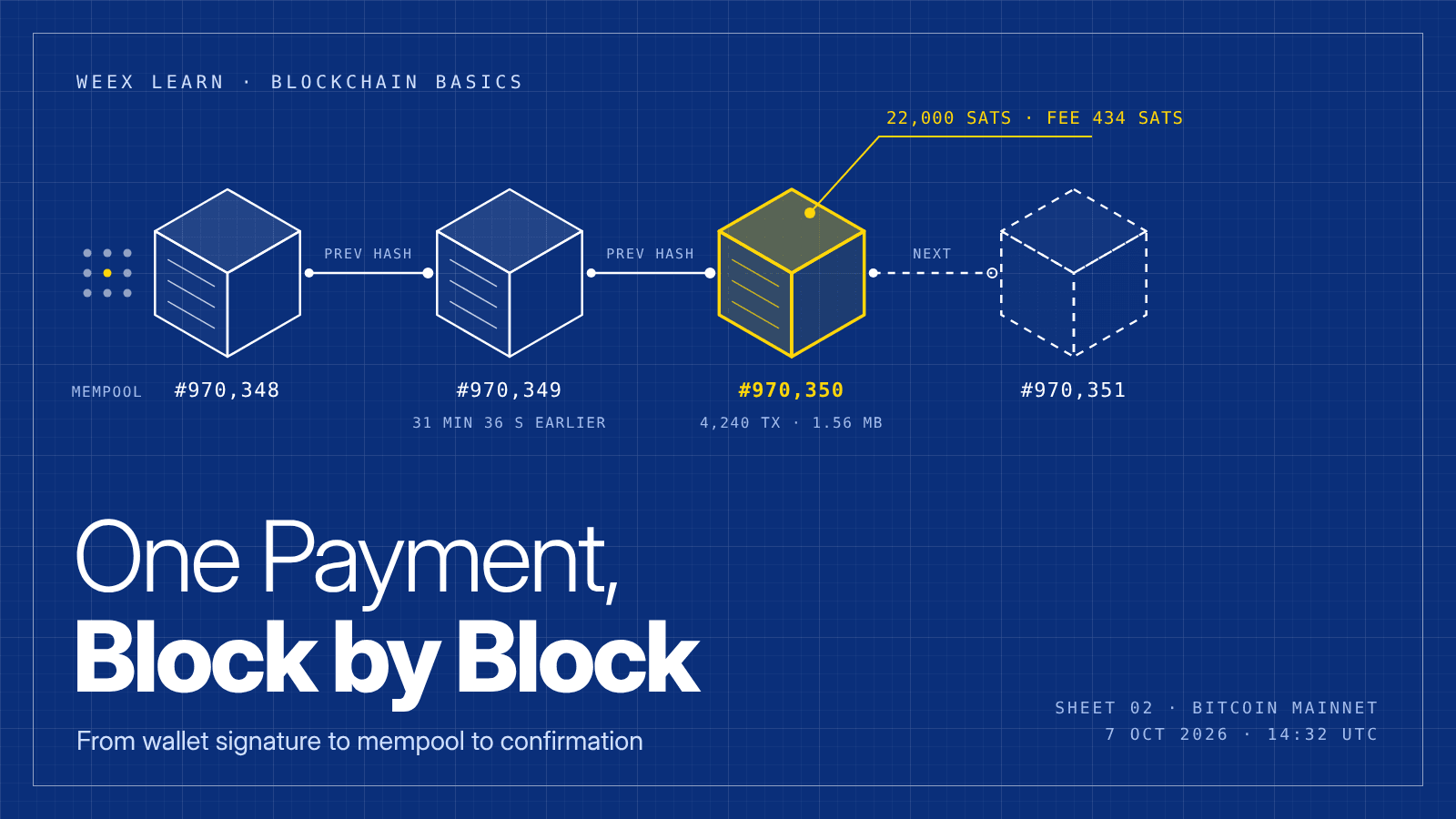
What Is Blockchain and How Does It Work? One Real Payment Traced
What Is a Blockchain Node? Types, 2026 Counts, and Real Costs

TSMC Stock Outlook Ahead of Q3 Earnings: Can AI Demand Push Shares Higher?
Taiwan Stock Market Nears 50,000: Can the TAIEX Break the Milestone After the Holiday?

How to Buy USDT in Thailand: Payment Methods, Fees and Transfer Checks

What Is RLC Crypto? How iExec (RLC) Powers Confidential Computing

Best Crypto Trading Strategies for Beginners: What to Know Before You Trade
PUMP Price Rally: Can Pump.fun Buybacks Outrun Monthly Unlocks?
How to Day Trade Crypto for Beginners: Fees, Hours, Risk Math
Trading Psychology for Beginners: The Math Behind Your Emotions
Best Crypto Apps for Beginners: The Five Features That Actually Matter on Your Phone

WEEX Passkey Now Secures Withdrawals: The 4 Actions It Covers
Stock Market Crash Risk in 2026: The Warning Signs Worth Watching
XST Coin Explained: Two Tokens Share One Ticker, Check Which One
SPY Stock in 2026: What the Rebound to Record Highs Is Hiding
What Is Blockchain and How Does It Work? A Transaction Traced
How to Buy Crypto with PayPal: The Custody Catch Most Beginners Miss
ENA Token Price Up 76% in a Month: The October 5 Unlock Test
MU Stock After a Record Q4: Why Micron Slipped on a Huge Beat

QNT Price Near $295: Does the Bank Deal Justify a 4x Rally?
HBAR Price Spike and Reversal: Long, Short, and Stop-Loss Orders
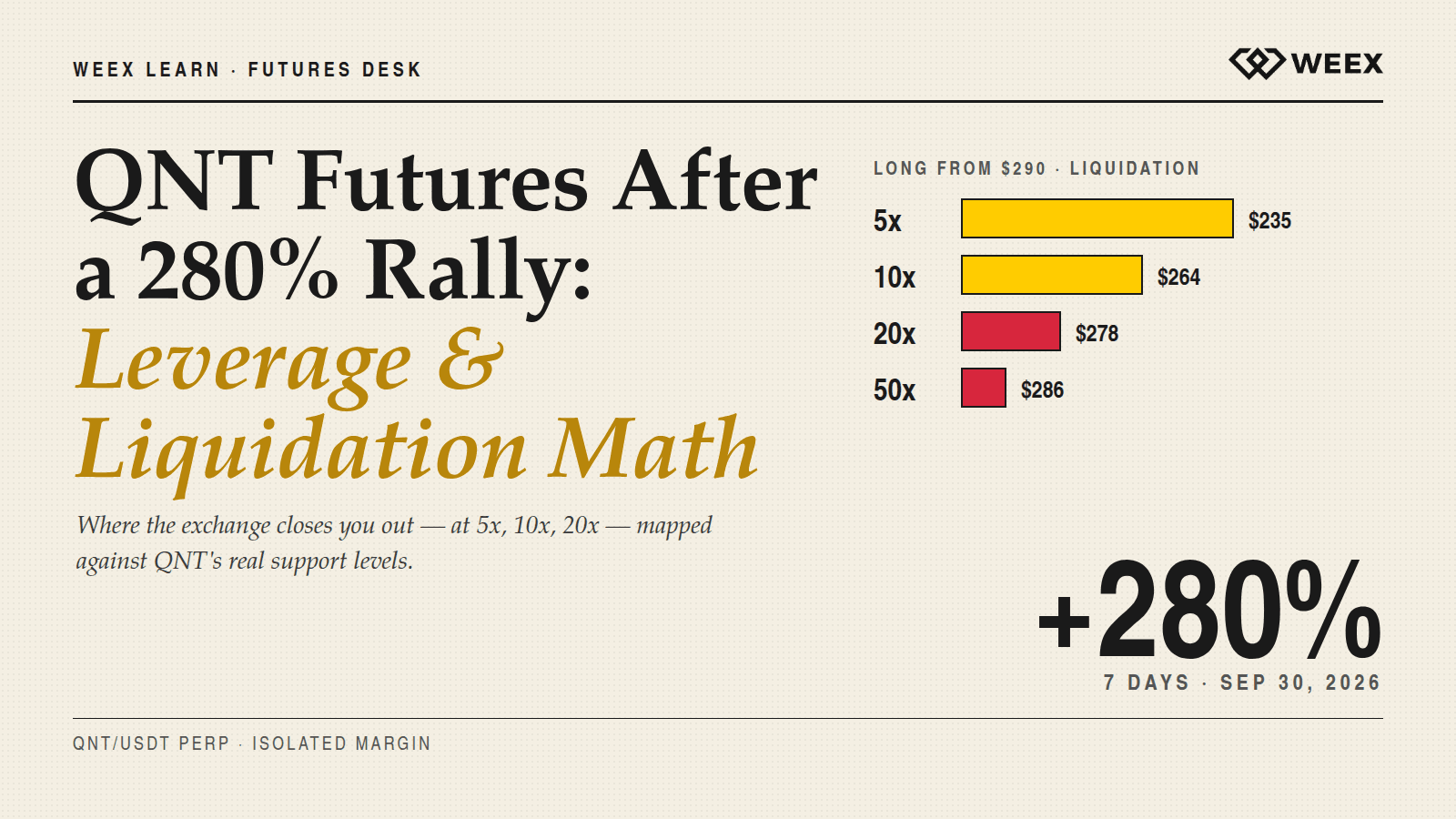
QNT Futures After a 280% Rally: Leverage and Liquidation Math
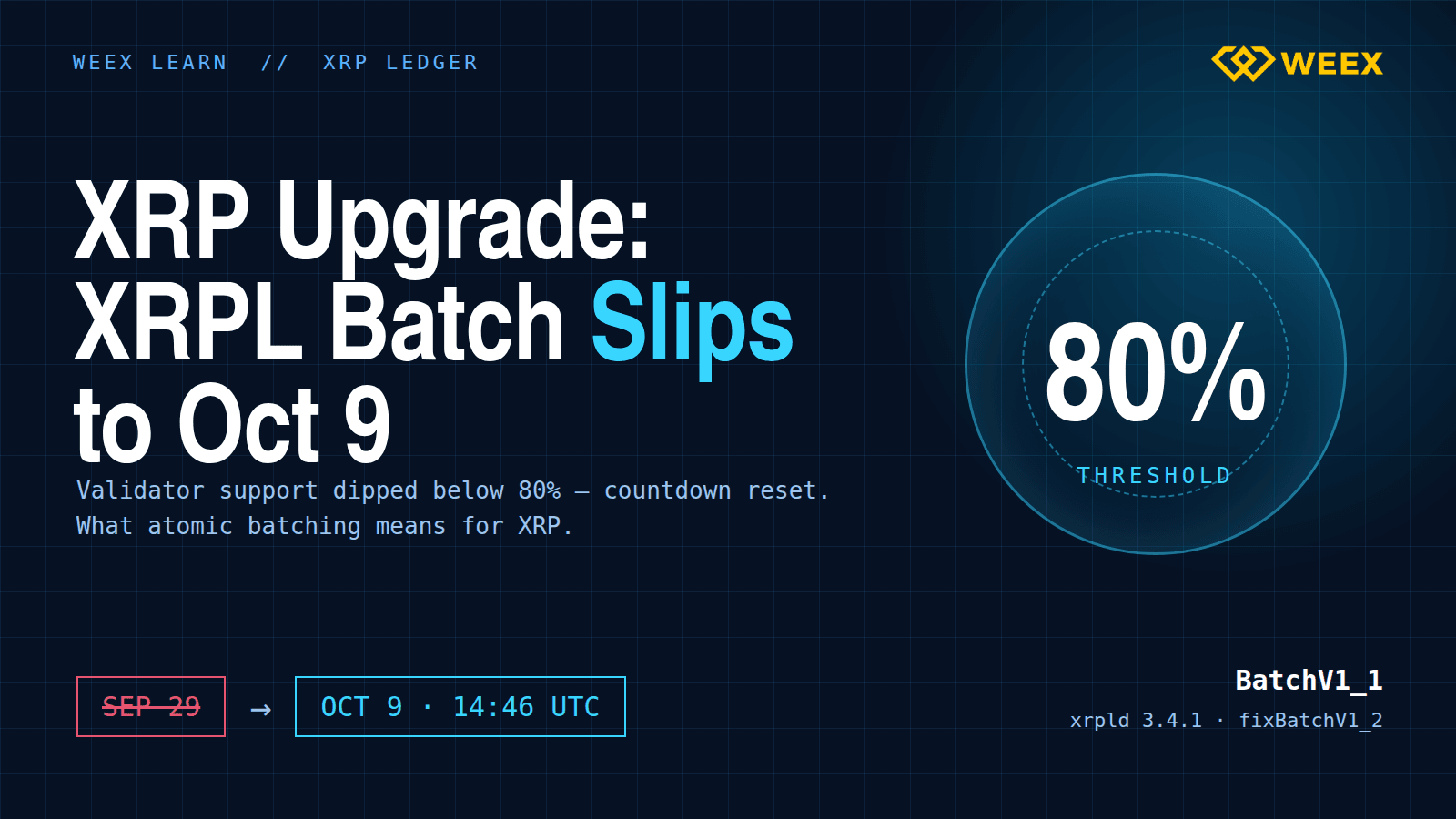
XRP Upgrade Update: XRPL Batch Slips to Oct 9 and What Changes

Safest Crypto Wallet in 2026: Matching Wallet Type to the Threat You're Actually Worried About
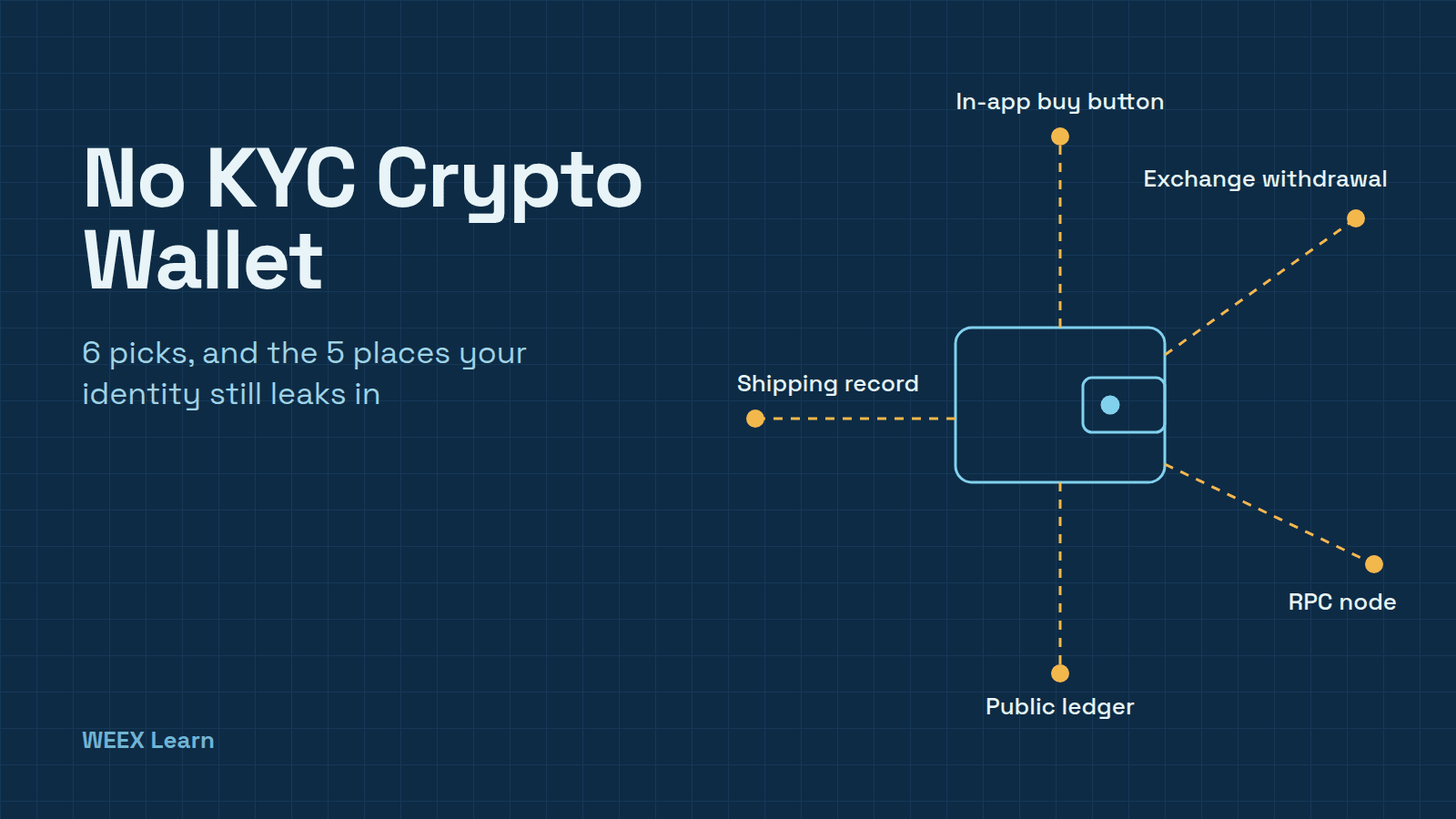
No KYC Crypto Wallet: 6 Picks and 5 Places Your ID Still Leaks
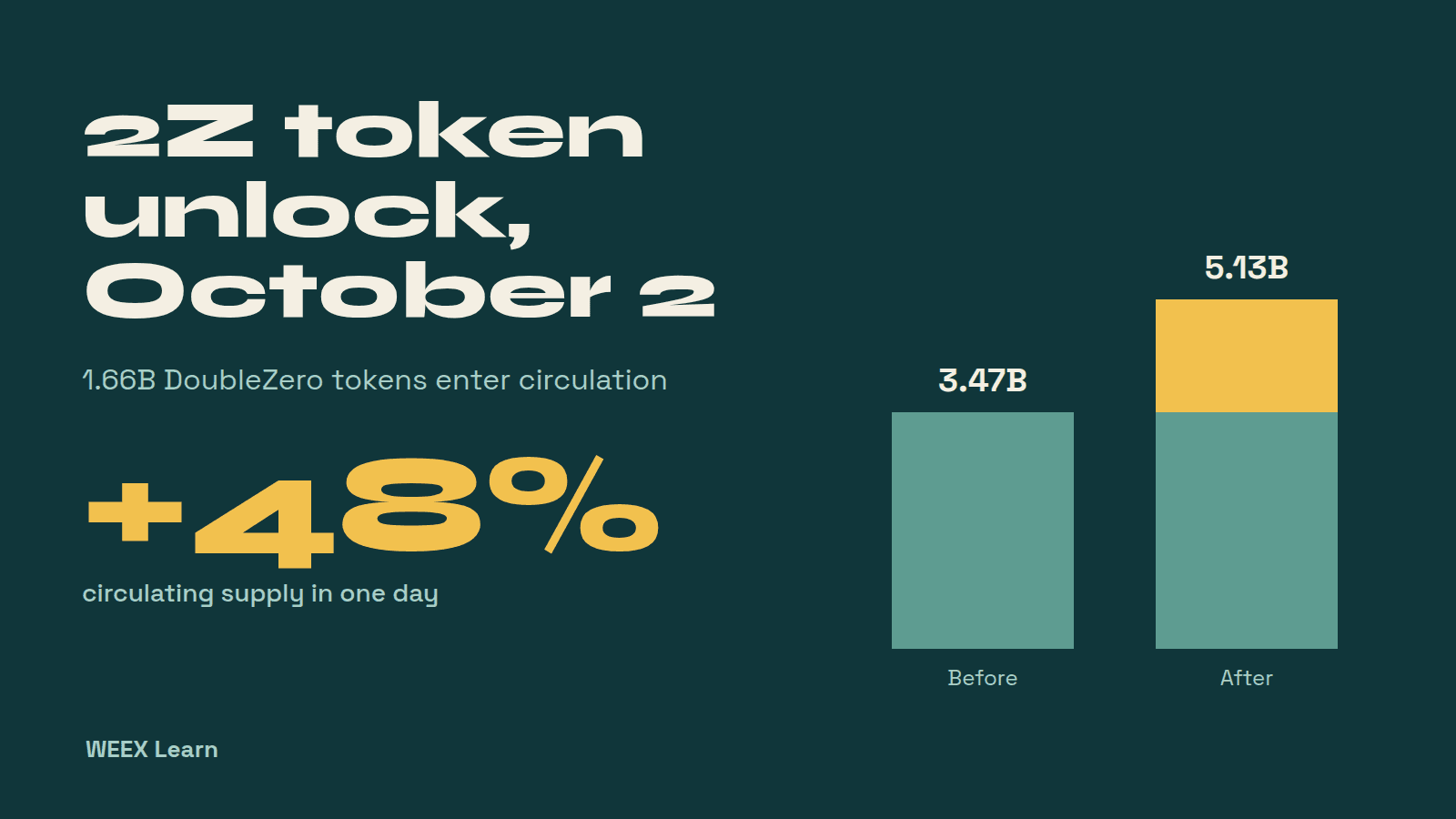
2Z Token Unlock on October 2: What 1.66B DoubleZero Tokens Mean
Best Decentralized Crypto Wallet for Beginners: What Self-Custody Really Asks of You
UNI Futures: How to Set Take-Profit and Stop-Loss After a 2x Run
Third-Party Trading Platforms vs Direct WEEX Trading: Fees, Liquidity, Security, and Control
How to Day Trade Crypto for Beginners: Do the Fee Math First
What Is Blockchain and How Does It Work? One Real Payment Traced
What Is a Blockchain Node? Types, 2026 Counts, and Real Costs
TSMC Stock Outlook Ahead of Q3 Earnings: Can AI Demand Push Shares Higher?
Taiwan Stock Market Nears 50,000: Can the TAIEX Break the Milestone After the Holiday?




