
PEP Earnings: PepsiCo Beats Q3, Cuts Guidance on North America

 Prefer us on Google


Yes, North America volume is still the key to PEP earnings, but the question has changed. PepsiCo (NASDAQ: PEP) reported third-quarter 2026 results before the market opened on Oct. 8, and North America food volume has stopped falling. The cost was a 12% drop in that segment's core operating profit. Revenue of $25.27 billion and core EPS of $2.34 both beat Wall Street estimates, yet management cut full-year core EPS growth guidance to 2.5%–3.5% from the low end of 5%–7%.
PEP stock still closed up 3.73% at $128.34. This article covers when the numbers landed, why guidance fell, how international profit is covering for North America, three scenarios for PEP stock, and what to check before trading PEP spot or futures.
When Did PepsiCo Report Q3 Earnings? Time and Key Numbers
PepsiCo posted its press release, 10-Q and prepared remarks at about 6:00 a.m. ET on Thursday, Oct. 8, 2026 (10:00 UTC, 18:00 UTC+8). The analyst Q&A began at 8:15 a.m. ET. Regular U.S. trading opens at 9:30 a.m. ET, which left a three-and-a-half-hour premarket window between the data and the opening bell.
PepsiCo's third quarter covers the 12 weeks ended Sept. 5, 2026. The figures below come from the company's Form 8-K filed with the SEC on Oct. 8:
- Net revenue: $25.27 billion, up 5.6% year over year, against a consensus of about $25.0 billion
- Organic revenue: up 3.1%, faster than 2.6% in Q1 and 2.4% in Q2
- Core EPS: $2.34, up 2%, against a consensus of about $2.29
- GAAP EPS: $2.23, up 17%, flattered by acquisition-related items and commodity mark-to-market gains
- Core operating margin: 16.9%, down 35 basis points
- Global volume: convenient foods up 1%, beverages up 3%
Of the 5.6% revenue growth, 3.1 points were organic, 1.7 points came from acquisitions and 0.7 points from currency. Roughly four-tenths of the growth, in other words, had nothing to do with selling more or charging more.
Why PepsiCo Cut 2026 Guidance Despite Steadier Volume
Because the volume was bought with price cuts and marketing, and profit did not follow.
PepsiCo Foods North America (PFNA), home to Lay's, Doritos and Quaker, posted revenue of $6.50 billion, flat from a year earlier. Organic volume added 0.5 points and effective net pricing subtracted 1 point. Core operating profit fell 12% to $1.38 billion, and the segment's core operating margin dropped to 21.2% from 24.1%, a decline of about 280 basis points. In February the company cut prices on brands such as Lay's and Doritos by as much as 15%. That bill is now showing up in the income statement.
PepsiCo Beverages North America (PBNA) grew revenue 5% to $7.71 billion, but about 6 points came from acquisitions made in 2025. Organic revenue was flat and volume fell 2%, an improvement on the 4% decline in Q2 but still a decline. CEO Ramon Laguarta told CNBC after the release that the North America business had performed below the company's expectations.
Fiscal 2026 guidance changed as follows:
- Organic revenue: about +3%, previously +2% to +4%
- Net revenue: about +6%, previously +4% to +6%, with the increase coming from currency and acquisitions, each raised by half a point
- Core constant-currency EPS: +1% to +2%, previously the low end of +4% to +6%
- Core EPS: +2.5% to +3.5%, previously the low end of +5% to +7%
- Core effective tax rate: about 21%, previously about 22%
- Cash returns to shareholders: unchanged at $8.9 billion, made up of $7.9 billion in dividends and $1.0 billion in buybacks
Three details in that guidance are easy to miss.
The lower tax rate hides part of the profit cut. A one-point drop in the tax rate should lift EPS. EPS guidance fell anyway, so the downgrade to expected operating profit is larger than the EPS numbers suggest.
The fourth quarter is guided to roughly zero profit growth. Core EPS was $8.14 in 2025, so the new range implies about $8.34 to $8.42 for 2026. With $6.15 earned in the first three quarters, Q4 works out to about $2.19 to $2.28, against $2.26 a year earlier. That is a range of roughly -3% to +1%.
Tariff refunds carried Q3 profit growth. Core operating profit rose 3%, and the company said tariff refunds contributed 4 percentage points. Strip those out and core operating profit slipped about 0.6%.
On costs, PepsiCo said it is identifying further structural cost reductions to be implemented in the coming months, both to offset rising input costs and to fund innovation and brand spending in North America. Reuters also reported in late September that PepsiCo plans to raise prices on some chip brands by a low- to mid-single-digit percentage. Volume won back with price cuts is about to be tested by price increases.
International Markets Carried PepsiCo's Q3 Profit Growth
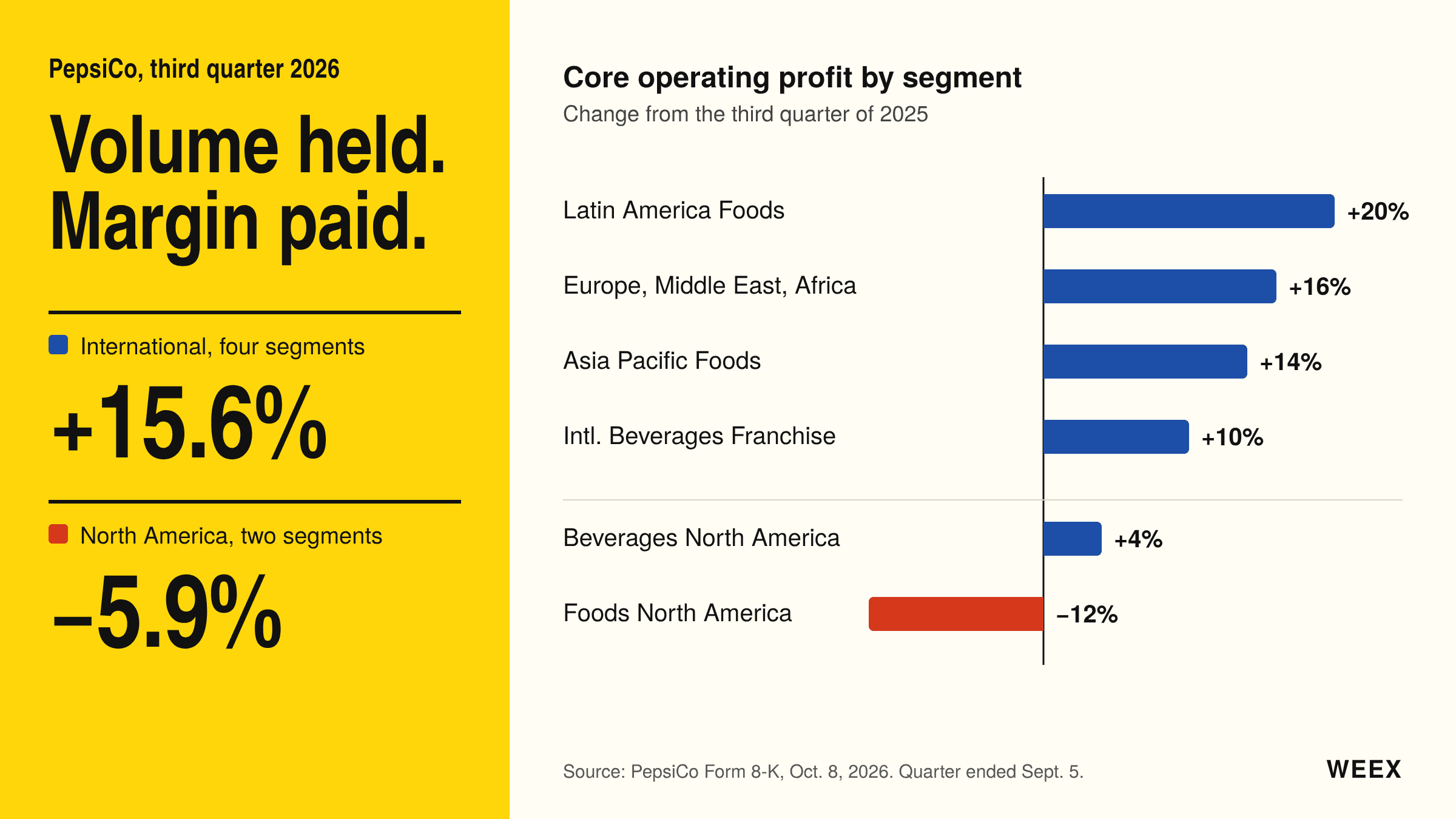
All of PepsiCo's profit growth this quarter came from outside North America. Adding up the segment figures in the 8-K, the four international segments earned $2.31 billion in core operating profit, up 15.6%. The two North America segments earned $2.39 billion, down 5.9%. International now accounts for 49% of segment core operating profit, up from 44% a year ago, on about 44% of revenue.
Q3 by international segment:
- International Beverages Franchise: organic revenue up 7%, volume up 5%, core operating profit up 10%
- Europe, Middle East and Africa (EMEA): organic revenue up 9%, beverage volume up 4%, food volume down 1%, core operating profit up 16%
- Latin America Foods: organic revenue up 6%, volume up 3%, core operating profit up 20%, or 10% in constant currency
- Asia Pacific Foods: organic revenue up 9%, volume up 11%, core operating profit up 14%
The quality of that growth varies. Asia Pacific is volume-led: volume rose 11% while net pricing fell 2 points. EMEA is the reverse, with about 7 of its 9 points of organic growth coming from pricing and only about 1 from volume. Price-led growth is the road North America went down two years ago.
For PEP stock, this mix has two consequences. Results are more exposed to the dollar, and the currency tailwind in full-year guidance has already been raised to about 1.5 points from about 1 point. International strength is also masking the profit decline at home. If overseas growth slows, the gap will show up directly in consolidated results.
-- Price
PEP Stock Forecast: Three Scenarios After Q3 Earnings
PEP closed at $128.34 on Oct. 8, up 3.73%, on volume of about 24 million shares, roughly three times the 8.2 million daily average. The previous close was about $123.73, 26 cents above the 52-week low of $123.47. The market had priced in a bad result before the report, so a revenue beat and a cost-cutting pledge were enough to outweigh the guidance cut. That is the most plausible reading of the day's move. It is not evidence that the fundamentals have turned.
On valuation, the new guidance implies full-year core EPS of about $8.34 to $8.42, which puts the stock at about 15.3 times earnings at $128.34. The annualized dividend is $5.92 per share, a yield of about 4.6% and a payout ratio of about 71%.
Dividend coverage deserves a second look. Free cash flow in the first three quarters was about $5.86 billion, while dividends paid over the same period were $5.94 billion, slightly more than the cash the business generated. PepsiCo kept its target of converting at least 80% of core net income into free cash flow. On the implied earnings, that means about $9.2 billion for the year and about $3.3 billion from Q4 alone.
The three scenarios below multiply the midpoint of implied 2026 core EPS, $8.38, by different earnings multiples. They mark out a range and are not price targets.
- Bull case, about $142 (17x): North America food volume stays positive after the price increases, the cost program arrives with a dollar figure and a timetable, and investors start paying for a 2027 margin recovery.
- Base case, about $126 to $134 (15x to 16x): North America volume stays flat and margins remain under pressure while international keeps growing. The dividend yield supports the stock, which trades around the earnings-day range.
- Bear case, about $117 (14x): Volume turns negative again after the price increases, or input costs rise faster than hedges cover. Q4 core EPS lands at the bottom of the implied range and the stock breaks the 52-week low of $123.47.
In the near term, the most useful reference points are the earnings-day high of $129.50 and low of $124.05. Below that sits the 52-week low at $123.47. The 52-week high of $171.48 is about 34% above the latest close. All prices are Nasdaq quotes as of the Oct. 8, 2026 close.
Four catalysts are worth tracking: the size and detail of the cost program, North America retail data after the price increases, the Q4 report and 2027 guidance early next year, and the next move from activist investor Elliott Management. Elliott holds a stake of about $4 billion and has urged PepsiCo to cut costs, drop underperforming brands and consider spinning off its bottling network. Laguarta told CNBC the company has no current plans to split its snacks and beverage businesses.
How to Trade PEP Stock and Futures: What to Check First
On WEEX, PEP trades two ways: as unleveraged PEP/USDT spot and as PEP-USDT perpetual futures, which can be traded long or short. Both are priced and settled in USDT.
On fundamentals, three numbers drive the earnings trade, in order of importance:
- PFNA core operating margin. It was 21.2% this quarter against 24.1% a year ago. Volume has stopped falling, so the new question is where the margin bottoms.
- North America organic volume. Foods were flat and beverages fell 2%. Whether food volume stays non-negative after the price increases decides whether the price-cut strategy worked.
- Full-year core EPS guidance. It now stands at +2.5% to +3.5%. A second cut within a year would do far more damage than a quarterly EPS miss of a few cents.
Three trading mechanics are worth confirming as well.
Session mismatch. PepsiCo's numbers arrive at 6:00 a.m. ET, and the underlying stock does not open for regular trading until 9:30 a.m. ET. In between, the shares have only thin premarket quotes that can jump on small orders. Check the price source and order-book depth on the trading page before placing an order in that window.
Size of the move versus leverage. Options were pricing a move of about 3.5% in either direction for earnings week. The stock closed up 3.73%, and the gap between the day's high and low was about 4.4%. That same 4.4% equals about 22% of margin at 5x leverage, about 44% at 10x and about 88% at 20x. A position can be right on direction and still be liquidated intraday.
Funding rate and carry. The futures page shows the funding rate and a countdown to settlement. Funding can drift when positioning gets crowded around earnings, so check it before holding through a settlement. Spot has no funding rate and no liquidation, but whether dividends and other shareholder rights pass through to holders depends on the platform's trading rules.
One thing traders often miss: the earnings-day move depends on the gap between results and expectations, not on the results alone. PepsiCo cut guidance and still closed higher because the stock was already sitting on its 52-week low. A rule of "buy the beat, sell the guidance cut" would have been wrong on both sides this time.
🔥 Dice Rush: Wall Street Tycoon is live now. Roll the dice, pick a U.S. stock and share a seven-figure prize pool! Join the event
The event runs from Oct. 7 00:00 to Nov. 3 23:59 (UTC+8). Completing stock spot or futures trading tasks earns dice, and a daily matchup pits two U.S. stocks against each other, settled on percentage change during regular trading hours.
Is North America Volume Still the Key to PEP Stock?
Volume itself is no longer the open question: North America foods were flat and the beverage decline narrowed to 2% from 4%. What PEP earnings answered this quarter was a different question, namely what it costs to hold volume steady. The answer was nearly three points of PFNA margin and about 40% of the full-year core EPS growth guidance.
Where PEP stock goes next depends on whether volume survives the price increases, whether the cost program gets a number before the Q4 report, and whether international keeps supplying nearly half of profit. A multiple just above 15 times earnings and a 4.6% yield show that a good deal of pessimism is already in the price. The implied guidance of roughly zero profit growth in Q4 shows management is not ready to call a turn either.
To follow or trade the next leg, PEP spot and futures quotes are available on WEEX. Put PFNA margin, North America volume and full-year EPS guidance on the watchlist for the next report.
FAQ
1. Did PepsiCo beat Q3 2026 earnings estimates?
Yes on the quarter, no on the outlook. Revenue of $25.27 billion and core EPS of $2.34 beat consensus of about $25.0 billion and $2.29. PepsiCo then lowered fiscal 2026 core EPS growth guidance to 2.5%–3.5% from the low end of 5%–7%.
2. Why did PEP stock rise after PepsiCo cut guidance?
PEP closed at about $123.73 the day before the report, within cents of its 52-week low of $123.47, so expectations were already low. A revenue beat, positive global volume and a pledge of new structural cost cuts lifted the stock 3.73% to $128.34 on Oct. 8.
3. When is PepsiCo's next earnings report?
PepsiCo has not announced a date for its Q4 2026 results. The previous fourth-quarter report came out on Feb. 3, 2026, so early February 2027 is the likely window, with fiscal 2027 guidance expected at the same time.
4. What is PEP's dividend?
The quarterly dividend is $1.48 per share, or $5.92 annualized, a yield of about 4.6% at the $128.34 close. PepsiCo has raised its annual dividend for 54 consecutive years and plans to return $7.9 billion in dividends and $1.0 billion in buybacks in 2026.
This content is provided for general informational purposes only and doesn't constitute financial, investment, legal, or tax advice. Any events, rewards, online promotions, or related information mentioned herein should not be considered a recommendation, solicitation, or invitation to purchase, sell, trade, or otherwise deal in any crypto assets. Crypto assets are highly volatile and may result in loss. The availability of WEEX services, products, and related events may vary by region. You are responsible for ensuring that your participation is in accordance with applicable local laws and regulations.
You may also like
ETH Futures: Why Ether Is Falling Faster Than Bitcoin This Week
Third-Party Trading Platforms vs Direct WEEX Trading: Fees, Liquidity, Security, and Control
How Copy Trading, Signal, and Telegram Trading Tools Can Build With WEEX Broker
How Quant Trading Platforms and Bots Can Build With WEEX Broker
How Trading Platforms and Terminals Can Connect to WEEX Broker

How to Buy USDT in Thailand: Payment Methods, Fees and Transfer Checks

What Is RLC Crypto? How iExec (RLC) Powers Confidential Computing

What Is WEEX Fast Connect? How OAuth Connects Third-Party Trading Platforms

How to Become a WEEX Broker: Application, API Setup and Go-Live
What Is WEEX Broker? API Program, Commissions and How It Works
CAP Price Up 23%: Why Short Liquidations Don't Explain the Rally
WEEX TOKEN2049 Day 2 Live Preview: KOLs, AWS, PingCAP and Andrew
Why Does Bitcoin (BTC) Drop? How to Read a BTC Liquidation Heatmap Without Guessing the Bottom

What Is a Decentralized Crypto Exchange (DEX)? How It Works, Costs, Risks, and When to Use One
HPE Stock Hits a Record on $1.2B AI Order: Is It Still Cheap?
MU Stock After a Record Q4: Why Micron Slipped on a Huge Beat
Bitcoin Futures at $83K: PnL and Position Sizing Into Jobs Week
What Is STOCKER? Stockereum, Stock-Paired Meme Tokens, and Risks
QNT Futures After a 280% Rally: Leverage and Liquidation Math
WIF and POPCAT Price Rally: Can the Solana Meme Rotation Hold?
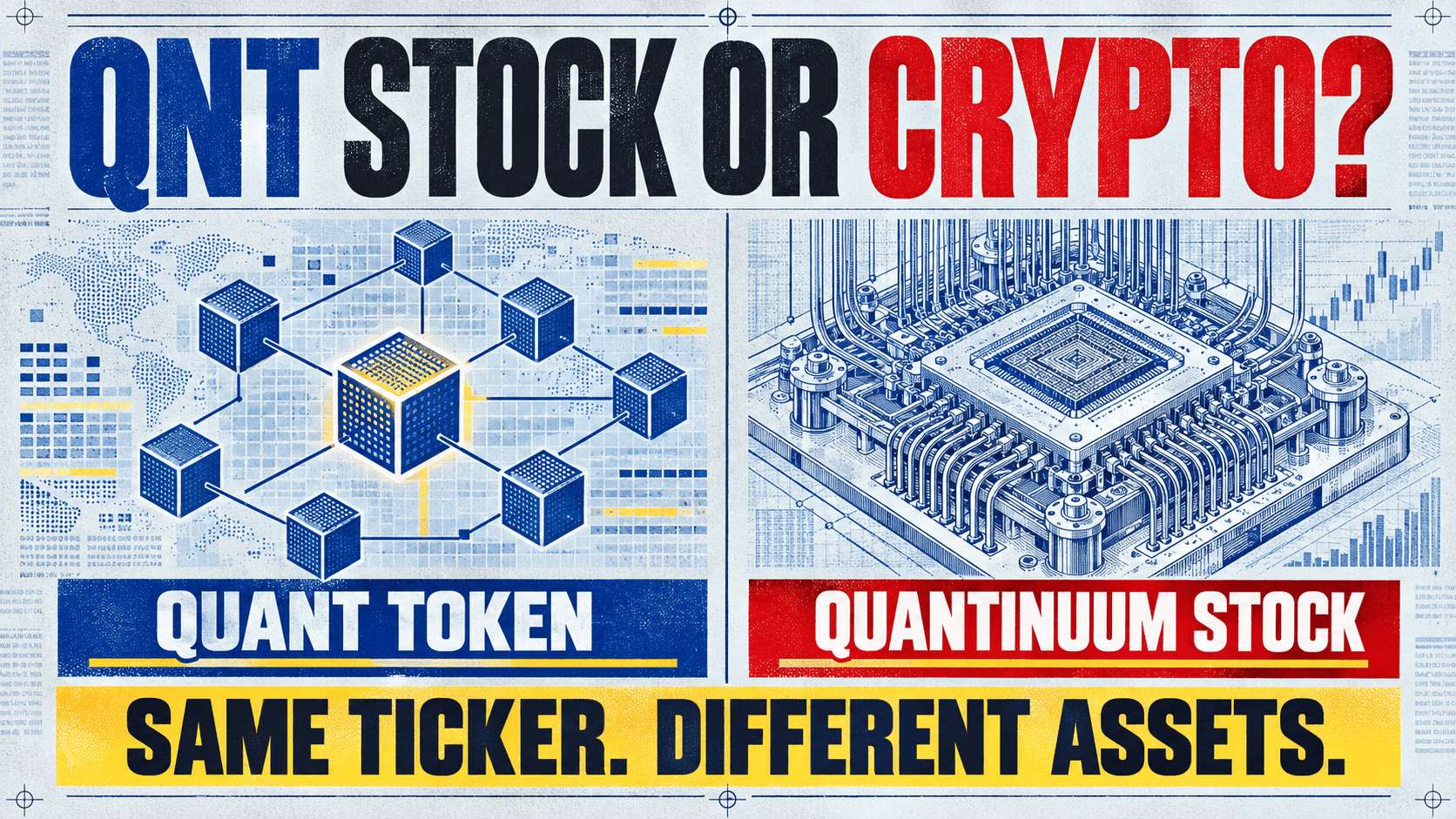
Is QNT a Stock or Crypto? Quant (QNT) and Quantinuum Stock Are Not the Same Asset
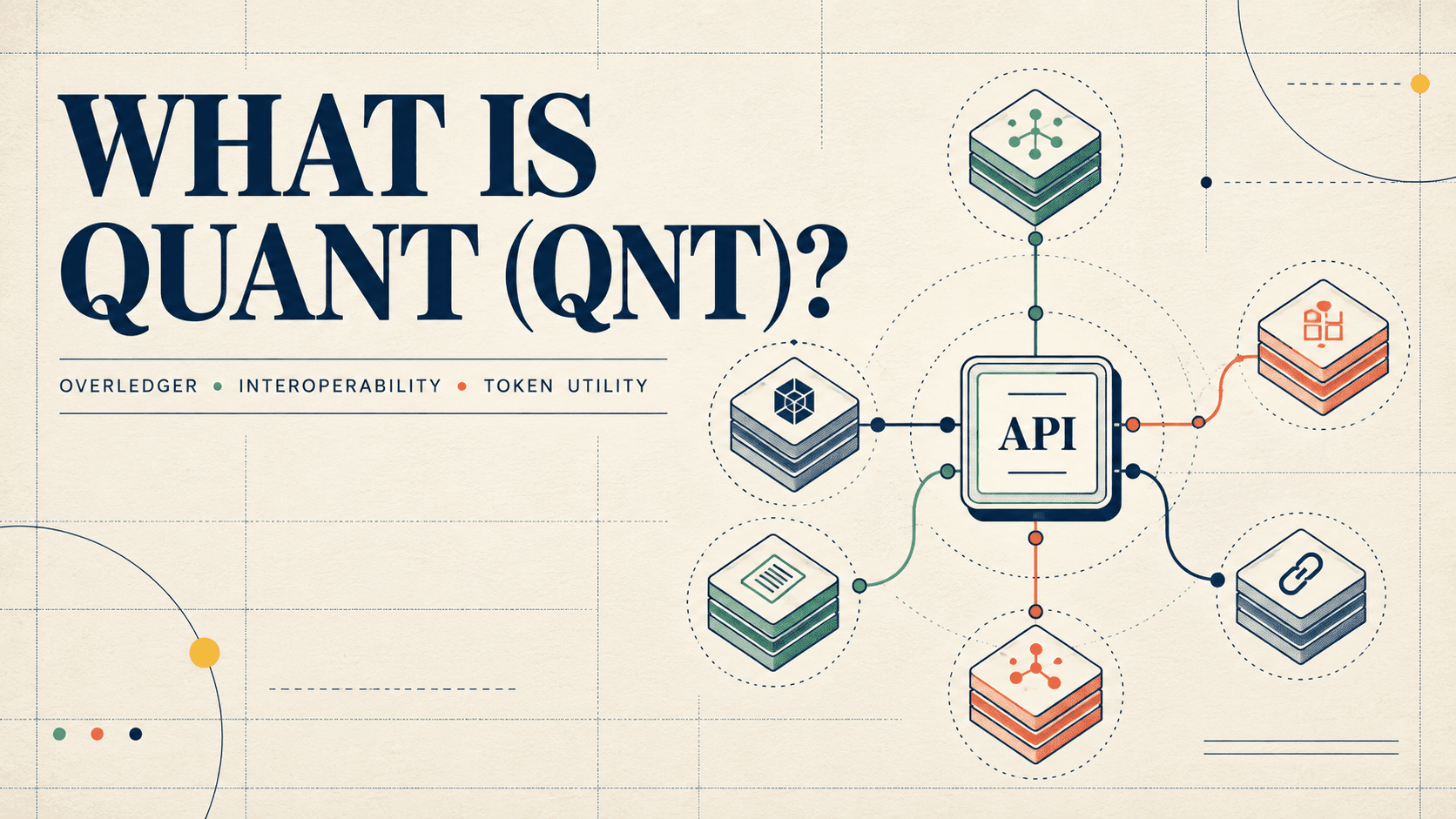
What Is Quant (QNT) Crypto? How Overledger Works, QNT Utility, and Token Supply Explained

Taiwan's Travel Rule Starts in October: What Domestic Crypto Transfers Will Require
Italian Crypto Tax Return 2026: Filing Deadline, Forms and Gains Rate
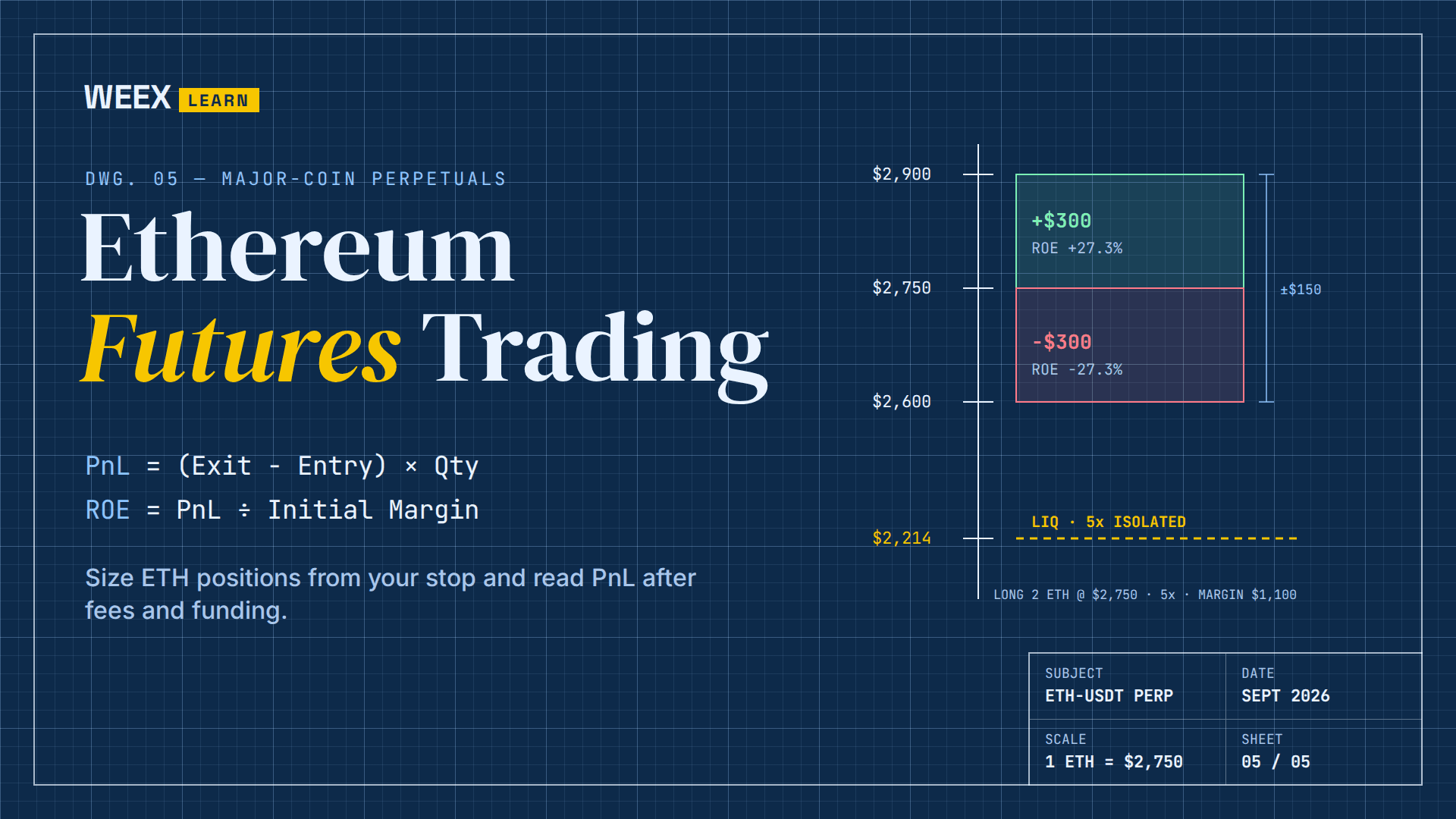
Ethereum Futures Trading: How to Size ETH Positions and Read PnL
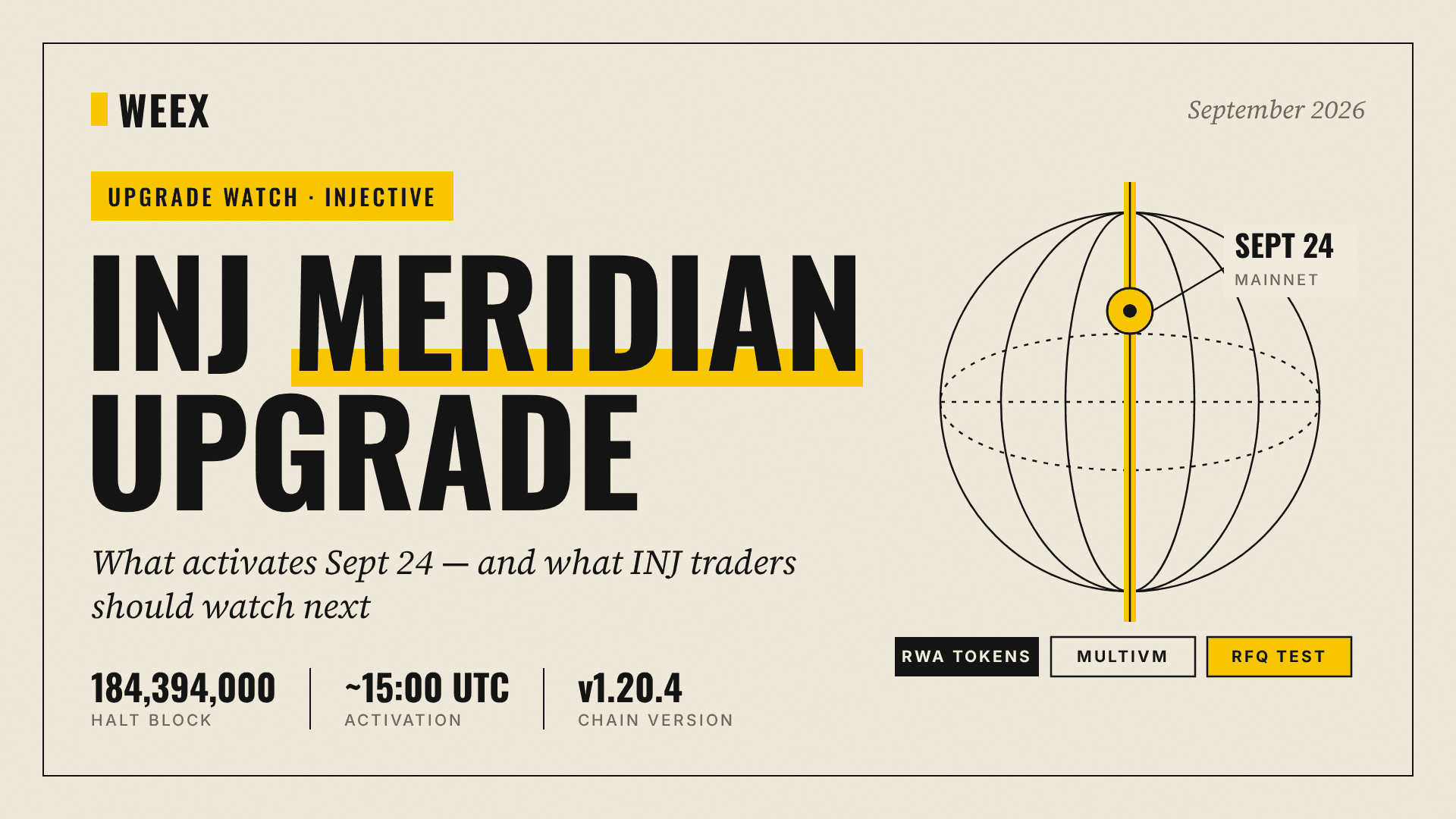
INJ Meridian Upgrade: What Activates Sept 24 and What to Watch

How to Connect Phantom Wallet to a Solana DApp
Funding Rate Crypto: What BTC and ETH Are Paying Right Now
Crypto Liquidation: The Exact Price That Wipes Out Your Position

How to Trade on Hyperliquid: A Step-by-Step Guide
ETH Futures: Why Ether Is Falling Faster Than Bitcoin This Week
Third-Party Trading Platforms vs Direct WEEX Trading: Fees, Liquidity, Security, and Control
How Copy Trading, Signal, and Telegram Trading Tools Can Build With WEEX Broker
How Quant Trading Platforms and Bots Can Build With WEEX Broker
How Trading Platforms and Terminals Can Connect to WEEX Broker
How to Buy USDT in Thailand: Payment Methods, Fees and Transfer Checks
Contents
Popular coins
Latest articles


