
What Is Orca (ORCA) Crypto? The Solana DEX, USDY Liquidity, and the ORCA Name Confusion

 Prefer us on Google


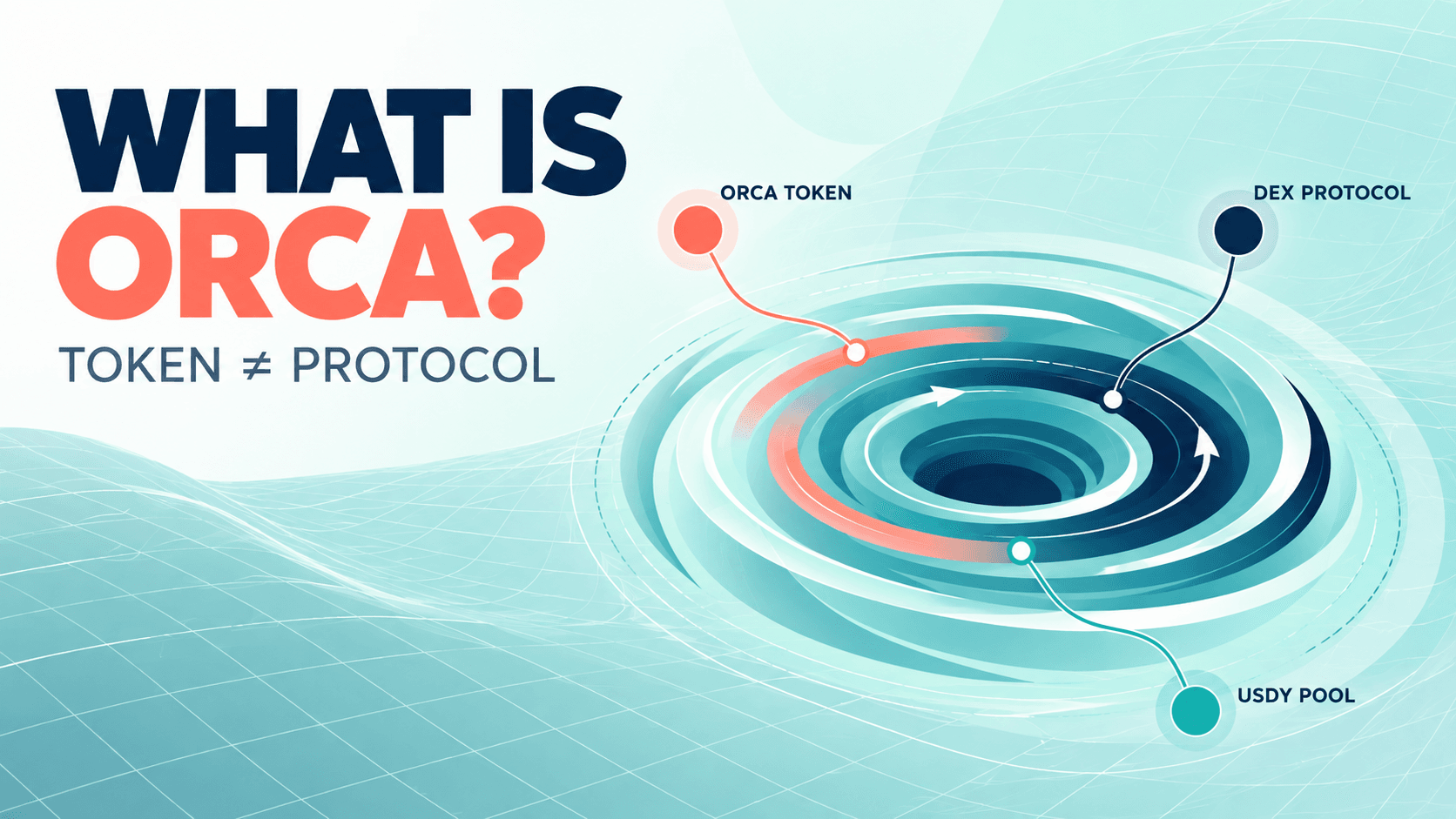
Orca (ORCA) is the governance token associated with Orca, a Solana-based decentralized exchange and liquidity protocol. Orca lets users swap assets through automated market maker pools and lets liquidity providers concentrate capital within chosen price ranges. The key clarification is that Orca is the protocol, ORCA is its token, and USDY is a separate tokenized-dollar-yield asset that can trade in an Orca liquidity pool. They are connected through liquidity, but they are not the same investment or product.
The most misleading shortcut is to assume that every large pool or tokenized-asset launch on Orca automatically creates direct value for ORCA holders. It may strengthen the protocol’s relevance and fee base, but the holder benefit depends on governance-approved fee distribution, buyback mechanics, and real liquidity use. That distinction is exactly where a useful ORCA analysis begins.
What Is Orca (ORCA) Crypto?
Orca is a decentralized exchange, or DEX, originally built on Solana. It is designed for on-chain token swaps and liquidity provision. Rather than matching buyers and sellers through a central order book, it uses smart-contract pools that hold two assets and quote prices automatically.
ORCA is the protocol’s governance token. Holding ORCA can give users a role in governance decisions, while the protocol’s evolving token design also links some fee-funded mechanisms to xORCA staking and buybacks.
Orca’s own website describes the protocol as Solana’s liquidity layer and reports more than $500 billion in cumulative trading volume, more than $500 million in liquidity-provider fees earned, more than $236 million in TVL, and more than $250 million in daily trade volume at the data cutoff. These figures describe the protocol’s on-chain activity, not the market capitalization or price of the ORCA token.
Orca (ORCA) in One Table
| Term | What It Means | What It Is Not |
|---|---|---|
| Orca | A Solana DEX and liquidity infrastructure protocol | A centralized exchange or a single cryptocurrency |
| ORCA | The governance token associated with the Orca protocol | A claim on every asset traded in Orca pools |
| Whirlpools | Orca’s concentrated-liquidity pool design | A guaranteed-yield product |
| USDY | Ondo’s U.S. Dollar Yield tokenized note | The ORCA token or an Orca-issued stablecoin |
| xORCA | A staking-related mechanism funded through protocol-fee design | The same asset as spot ORCA |
This distinction matters because the keyword “Orca crypto” can refer to several things in one search. A reader may want the ORCA token, a Solana swap venue, a particular ORCA/USDC pool, or a pool containing a real-world asset such as USDY. Search results often group them together even though their risks, mechanics, and value drivers are different.
How Orca’s Concentrated Liquidity Model Works
Orca uses concentrated liquidity, commonly called a CLMM model. In a traditional automated market maker, liquidity is spread across a very wide range of possible prices. In a concentrated-liquidity pool, liquidity providers choose a narrower range where they expect most trading to occur.
If the market price stays inside that chosen range, the capital is active and can earn a share of swap fees. If the market price moves outside it, that position may stop earning fees until the liquidity provider adjusts the range or the price returns.
This structure can make capital more efficient because a smaller amount of liquidity can be positioned near the current market price. It can also make liquidity provision more demanding. A provider is not simply depositing two tokens and forgetting about them; range selection and price movement matter.
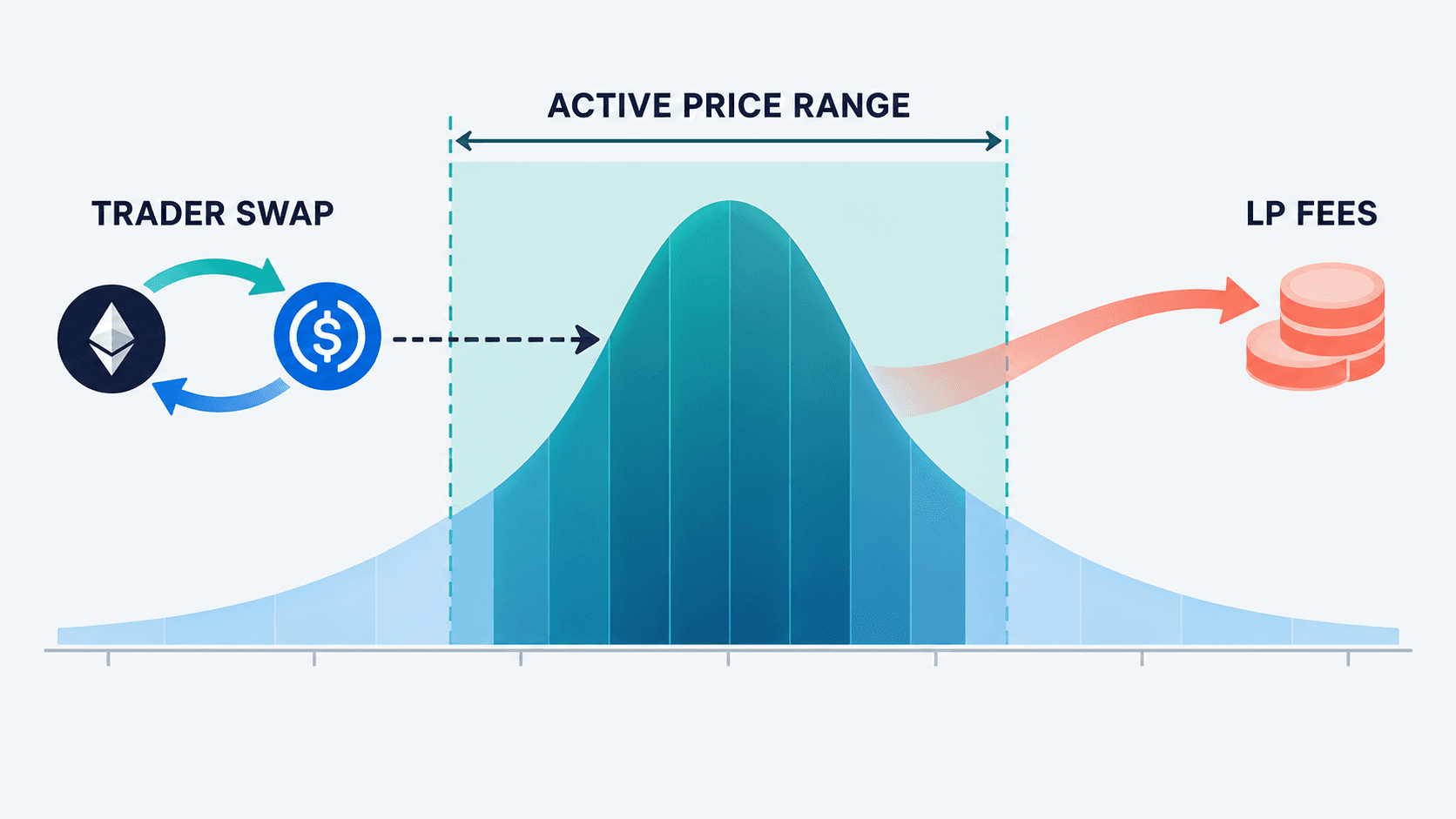
For traders, concentrated liquidity can improve execution when a pool is well funded near the active price. For liquidity providers, the relevant question is not only “What APR is shown?” but also whether fee income exceeds price risk, range-management costs, and impermanent-loss exposure.
-- Price
What Is the Difference Between Orca (ORCA) and USDY?
USDY is not an Orca product and it is not the ORCA token. It is Ondo’s U.S. Dollar Yield tokenized note. Ondo states that USDY is backed by short-term U.S. Treasuries and bank demand deposits, subject to the product’s terms, structure, and eligibility requirements.
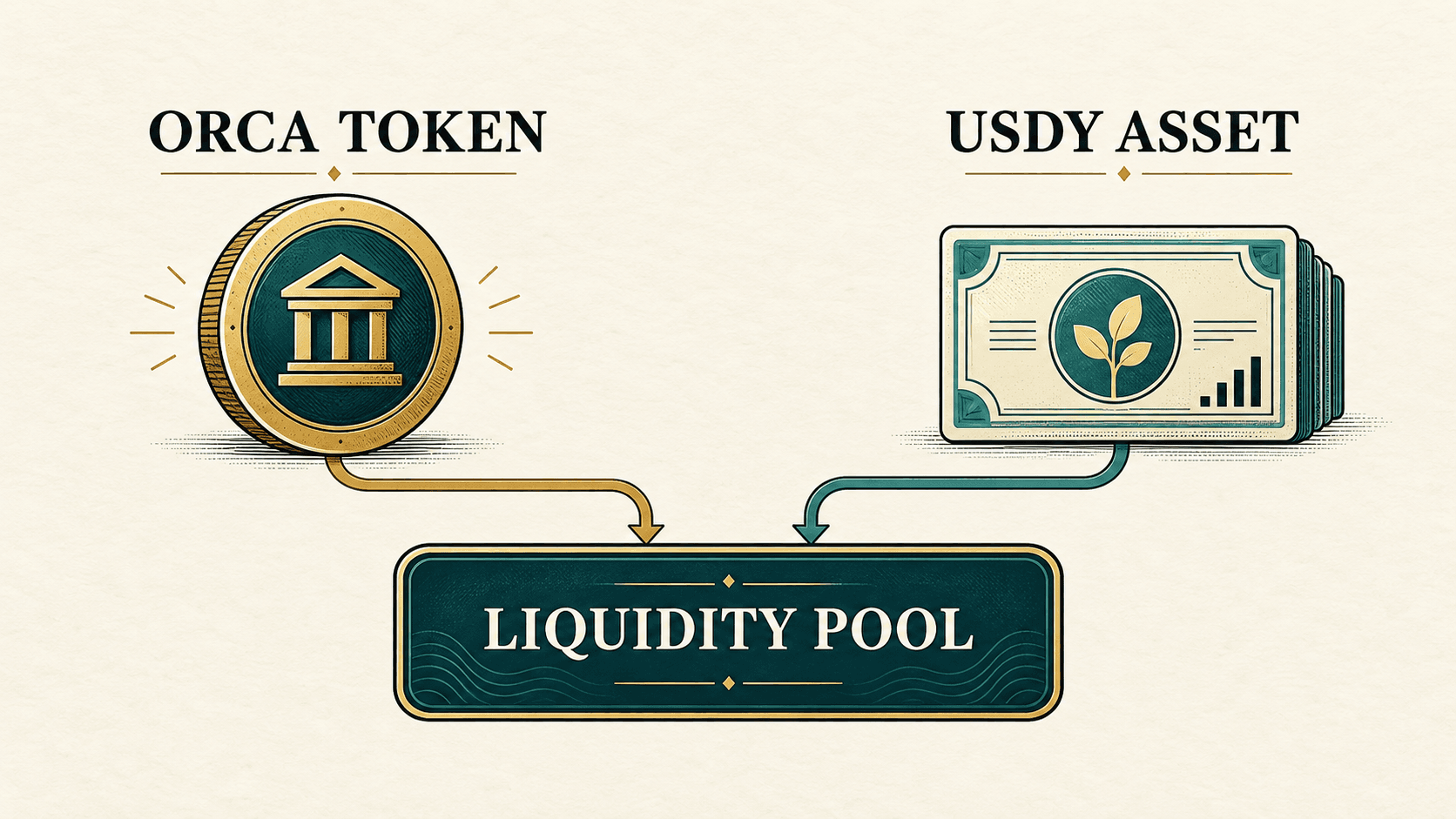
A USDY/USDC pool on Orca means that traders can use Orca’s infrastructure to exchange USDY and USDC. In that relationship:
- Ondo is associated with the USDY asset.
- Orca provides the on-chain liquidity venue.
- Liquidity providers supply assets to a pool.
- ORCA is the governance token associated with the Orca protocol.
The connection can still be strategically meaningful. Real-world assets need usable secondary-market liquidity to become more than static on-chain wrappers. An active liquidity venue can make settlement, swaps, and portfolio movement easier. Orca’s June 2026 permissioned-pool announcement is particularly relevant here because it described infrastructure intended for regulated assets and issuer-defined eligibility requirements.
But that does not mean USDY liquidity automatically becomes ORCA revenue or token demand. The transmission path is indirect: more high-quality assets may increase Orca usage; more usage can increase protocol fees; and governance determines how those fees are allocated.
Why USDY Liquidity Matters to Orca
USDY is an example of the kind of asset that tests whether a DEX can support more than speculative token trading. A pool involving a tokenized yield-bearing dollar asset has different needs from a volatile memecoin pair. Users may care about pricing, liquidity depth, compliance boundaries, redemption mechanics, eligibility, and whether the pool is suitable for the asset’s intended market.
This is why Orca’s movement toward permissioned liquidity infrastructure is more important than a generic “RWA narrative.” Its official announcement with Streamex describes a compliance-enforcement layer where issuers can define who is eligible to hold or transact regulated tokens, while Orca provides concentrated secondary-market liquidity.
That model does not make every pool permissioned, and it does not turn all Orca activity into regulated-asset trading. It demonstrates that Orca is trying to solve a harder problem: how to provide on-chain liquidity for assets that cannot always operate under the same rules as a permissionless meme-token pool.
For ORCA holders, the practical question is whether this expansion creates recurring and economically meaningful protocol use. A prestigious asset or issuer name is not enough. The relevant evidence would be sustained pool activity, fee generation, and a governance structure that transmits part of that economic activity into ORCA-related value capture.
How Does the Orca (ORCA) Token Create Value?
The ORCA token is primarily a governance asset, but its value proposition has evolved beyond voting alone. Orca’s staking page states that users can stake ORCA to receive xORCA and earn rewards funded by protocol fees.
In late September 2026, an Orca governance proposal outlined a potential new protocol-fee allocation. If passed, the proposed framework would direct 10% of protocol fees toward programmatic ORCA purchases deposited into the xORCA pool, another 10% toward a team-managed buyback account, and 80% toward team operations, development, and growth.
This proposal is important because it shows the difference between protocol success and token value capture. A DEX can report large volume but still provide limited direct value to its governance token if fees are not routed into a holder-relevant mechanism. Conversely, a buyback or staking-reward mechanism may sound attractive but still depends on actual fees, governance approval, execution, and the wider market environment.
| Value Driver | Why It Could Matter for ORCA | What to Verify |
|---|---|---|
| Trading activity | More swaps can produce more pool and protocol fees | Whether volume is persistent and economically valuable |
| Liquidity-provider demand | More liquidity can improve routing and execution | Whether liquidity remains after incentives decline |
| xORCA mechanism | Fee-funded rewards can connect protocol fees to stakers | Actual fee allocation and staking terms |
| Buybacks | Open-market purchases can create additional token demand | Governance approval, caps, execution, and transparency |
| RWA infrastructure | Permissioned pools can broaden use cases | Actual issuer adoption and sustained pool liquidity |
This is a stronger framework than simply calling ORCA “a Solana DEX token.” It makes the research task concrete: watch the protocol’s fee base, the governance decisions, the pool mix, and the implementation of approved token economics.
Orca (ORCA) Governance Proposal: Why It Is a Live Issue
The September 29 governance proposal would make material changes to how Orca resources are managed. It discusses modifying fee distribution, funding continuing operations, establishing buyback channels, moving treasury resources into a strategic account, and shifting governance structure.
Importantly, a governance proposal is not the same thing as an implemented tokenomics change. It must go through the protocol’s approval process. Readers should therefore avoid treating proposed buybacks or revised allocations as guaranteed.
The proposal is still useful as an analytical signal. It suggests that Orca’s community and operating team are focused on a question many mature DeFi protocols face: how to balance tokenholder rewards, operating capacity, treasury management, and product growth.
The answer will shape ORCA’s utility more than broad Solana enthusiasm alone. If governance produces a clearer, transparent, and enforceable relationship between fee generation and tokenholder mechanisms, the market can evaluate that model. If the structure becomes less accountable or less tied to observable protocol results, tokenholders should treat that as a governance risk rather than ignore it.
How to Trade Orca (ORCA) on WEEX Futures
WEEX has a verified ORCA/USDT perpetual futures market. Because a futures pair is available, it is the relevant WEEX market to reference before a spot market.
To access the contract, sign in to WEEX and open the ORCA/USDT perpetual futures page. Before placing an order, check that the market is active, review the funding information, select margin mode and leverage, then choose the order type and position size.
The contract page retrieved during this review displayed a circuit-breaker notice stating that opening and closing positions could be temporarily disabled while only order cancellation was available. This is why readers should check the live contract status rather than rely on an old listing notice.
No active ORCA-specific campaign or fee discount was independently verified at the data cutoff. General charges should be checked through the official WEEX fee schedule before trading.
What Risks Should You Understand Before Using Orca?
Orca’s user experience may be simpler than many advanced DeFi interfaces, but the underlying risks remain technical and financial.
For swaps, users should review the token mint, route, price impact, and wallet permissions. A token with a familiar name can still be a copycat asset if the mint address is not verified.
For liquidity provision, the central risk is not only smart-contract risk. Concentrated liquidity can leave a position entirely in one asset when price moves outside the chosen range. A high displayed fee rate does not guarantee a positive net return.
For ORCA token holders, governance is a real risk and opportunity. Fee allocation, buyback policy, treasury management, and voting rights can change the token’s economic design. The relevant question is whether changes are approved transparently and whether the proposed mechanisms actually operate as described.
Our View: Orca’s Real Opportunity Is Better Market Structure
Orca is more interesting than a standard DEX-token story because it sits at the intersection of Solana liquidity, concentrated market making, and potentially more complex financial assets such as tokenized real-world instruments.
But ORCA should not be valued as if every pool automatically benefits the token. The critical issue is the quality of liquidity and the governance route from protocol fees to tokenholder value. USDY liquidity, permissioned-pool infrastructure, and tokenized-asset interest can strengthen Orca’s role as market infrastructure. The durable ORCA thesis depends on whether that infrastructure produces transparent, recurring fee generation and whether governance converts it into credible value capture.
FAQ
1. What Is Orca (ORCA) Crypto?
Orca is a decentralized exchange and liquidity protocol built for Solana. ORCA is the governance token associated with the protocol. It is separate from the pools and assets traded through Orca.
2. Is Orca (ORCA) a Solana DEX?
Yes. Orca is a Solana-based DEX that uses automated market maker pools and concentrated-liquidity technology for on-chain swaps and liquidity provision.
3. Is USDY the Same as Orca (ORCA)?
No. USDY is Ondo’s U.S. Dollar Yield tokenized note, while ORCA is the governance token of the Orca protocol. USDY can trade in an Orca liquidity pool, but that does not make the two assets the same.
4. How Does Orca (ORCA) Make Money for Liquidity Providers?
Liquidity providers can earn a portion of swap fees when their capital is active within the selected price range. Actual results depend on trading activity, price movement, range management, fees, and impermanent-loss exposure.
5. Can You Trade Orca (ORCA) on WEEX?
Yes. ORCA/USDT perpetual futures are listed on WEEX. Check the live contract page for current trading availability, funding, leverage settings, and any temporary market controls before entering an order.
Sources
- Orca, Official Protocol Overview and Liquidity Statistics, accessed October 6, 2026.
- Orca, Concentrated Liquidity Documentation, accessed October 6, 2026.
- Orca, Permissioned RWA Trading Infrastructure Announcement, accessed October 6, 2026.
- Orca Governance Forum, Tokenholder Proposal: Resourcing Orca for Its Next Phase, published September 29, 2026.
- Ondo Finance, USDY Overview, accessed October 6, 2026.
- WEEX, ORCA/USDT Perpetual Futures, accessed October 6, 2026.
This content is provided for general informational purposes only and doesn't constitute financial, investment, legal, or tax advice. Any events, rewards, online promotions, or related information mentioned herein should not be considered a recommendation, solicitation, or invitation to purchase, sell, trade, or otherwise deal in any crypto assets. Crypto assets are highly volatile and may result in loss. The availability of WEEX services, products, and related events may vary by region. You are responsible for ensuring that your participation is in accordance with applicable local laws and regulations.
You may also like
XST Coin Explained: Two Tokens Share One Ticker, Check Which One
Where Is XST Actually Trading Now? A Look at Volume Distribution After the Crash
XST Coin Liquidity Risk: What Low DEX Depth Actually Means for Buyers Who Want to Exit

XST Coin Price Prediction: What Happens to AI Narrative Tokens After the Initial Hype Fades
What Is XST Coin and Should You Buy It? A No-Nonsense Guide for Crypto Investors
XST Coin vs Akash Network: How Two AI Infrastructure Tokens Compare

What Is XST Coin? A $54M Valuation on $760,000 of Liquidity
Why Is STRK Up Over 25%? Starknet's Layer 1 Idea, the Quantum Roadmap and the Risks Behind the Jump
Third-Party Trading Platforms vs Direct WEEX Trading: Fees, Liquidity, Security, and Control
How Copy Trading, Signal, and Telegram Trading Tools Can Build With WEEX Broker
What Is Derive (DRV)? Why the Token Jumped About 25% After Citrini Research's Altcoin Portfolio Report
How Quant Trading Platforms and Bots Can Build With WEEX Broker
How Trading Platforms and Terminals Can Connect to WEEX Broker

How to Use an APR Boost on WEEX Auto Earn Without Wasting It
How to Buy Presale Crypto: Step by Step Guide for Beginners
Ethereum Glamsterdam Hits 200M Gas on Sepolia: What Changes After the Upgrade?
ENA Token Price Drops After October 5 Unlock: What Happened to Ethena?
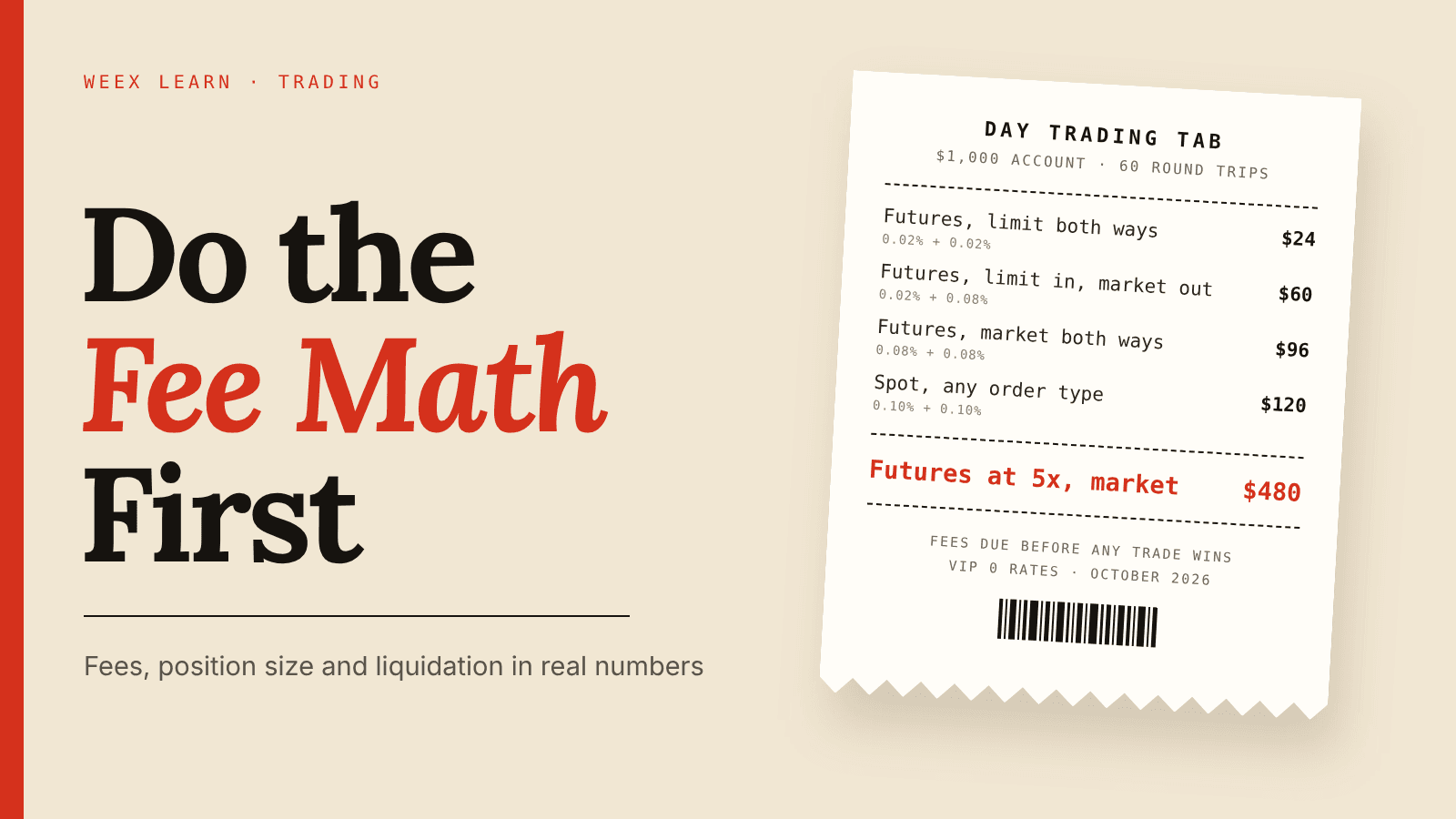
How to Day Trade Crypto for Beginners: Do the Fee Math First
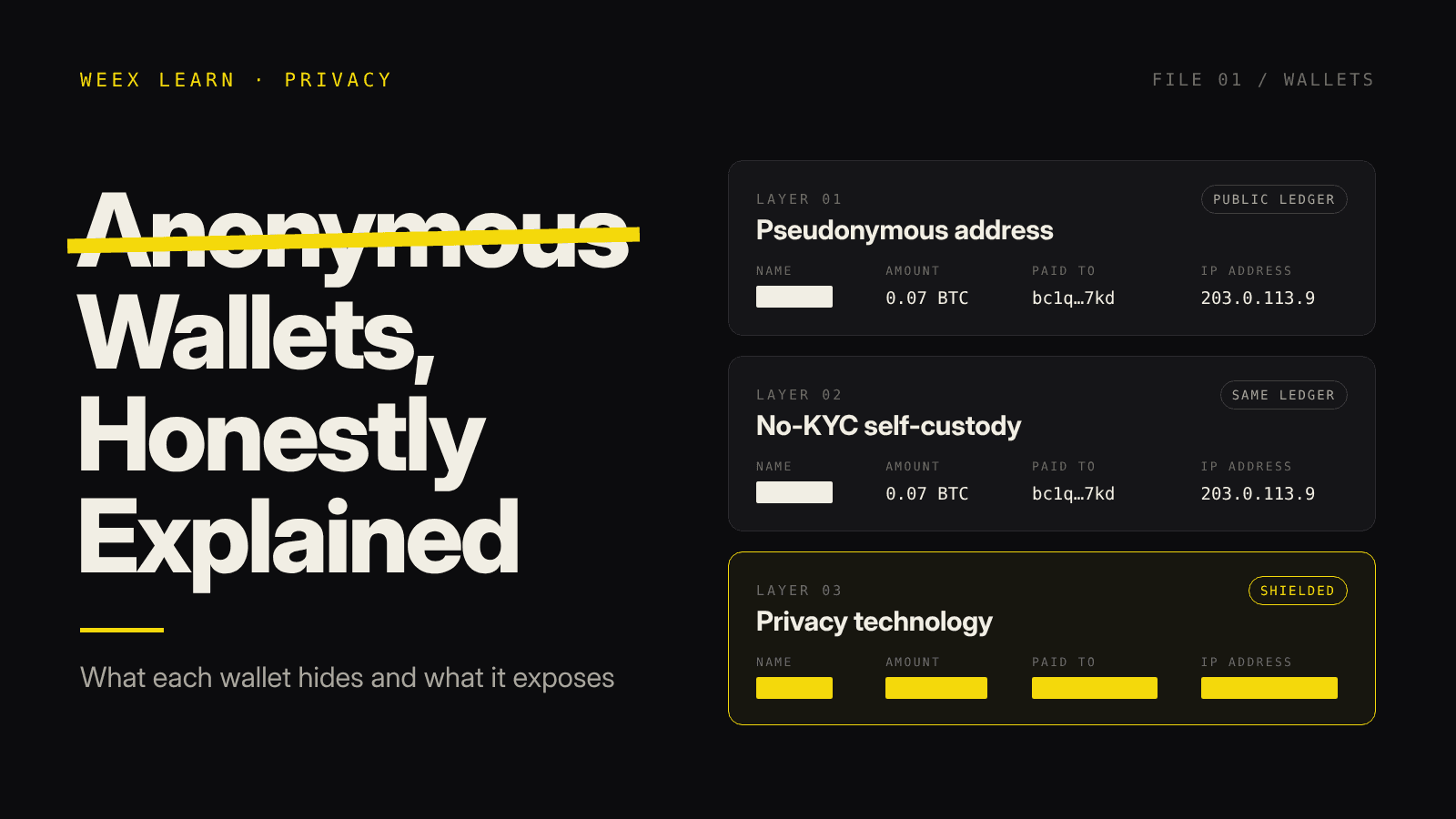
Anonymous Crypto Wallet: What Each One Hides and Where It Fails
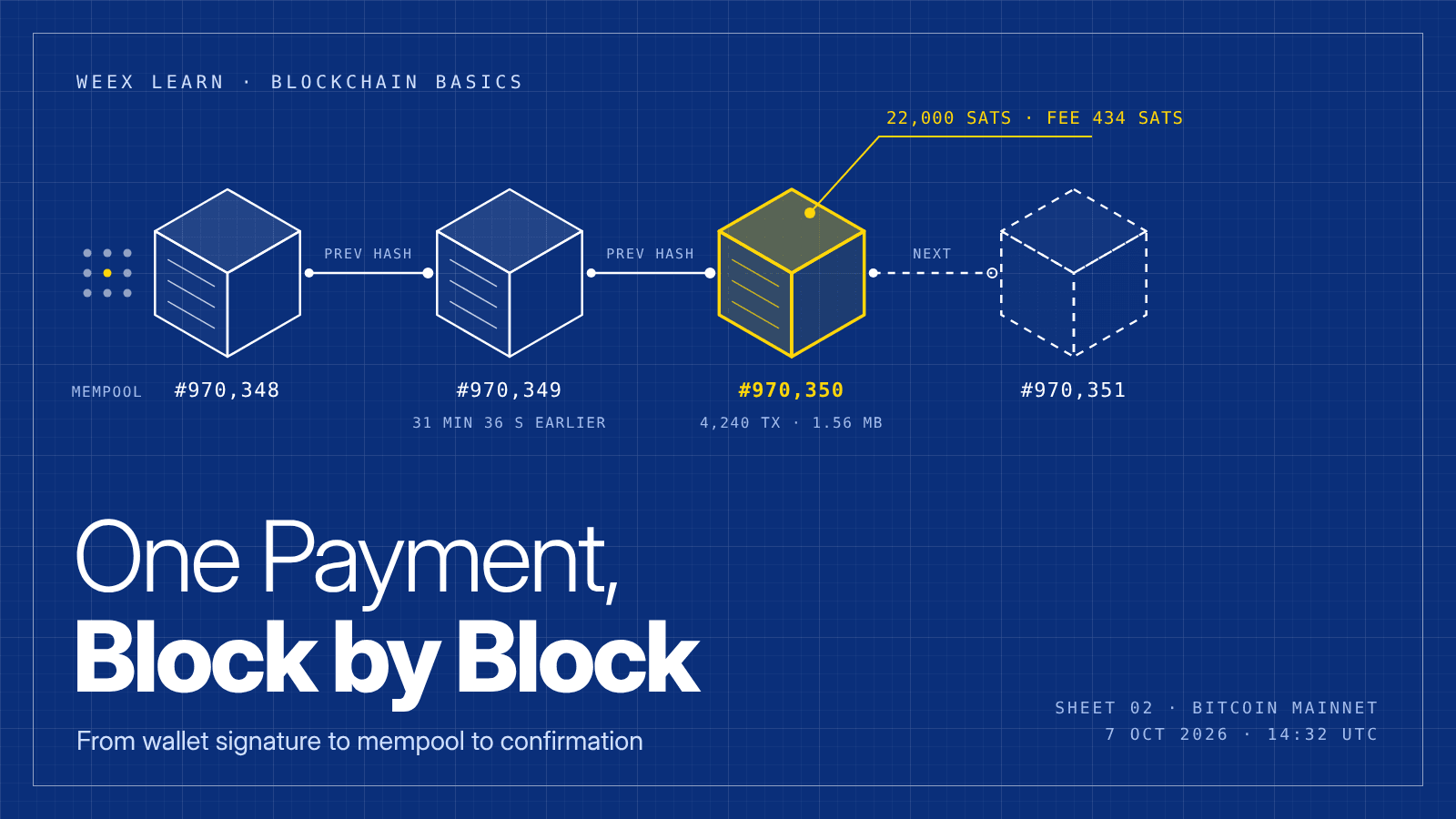
What Is Blockchain and How Does It Work? One Real Payment Traced
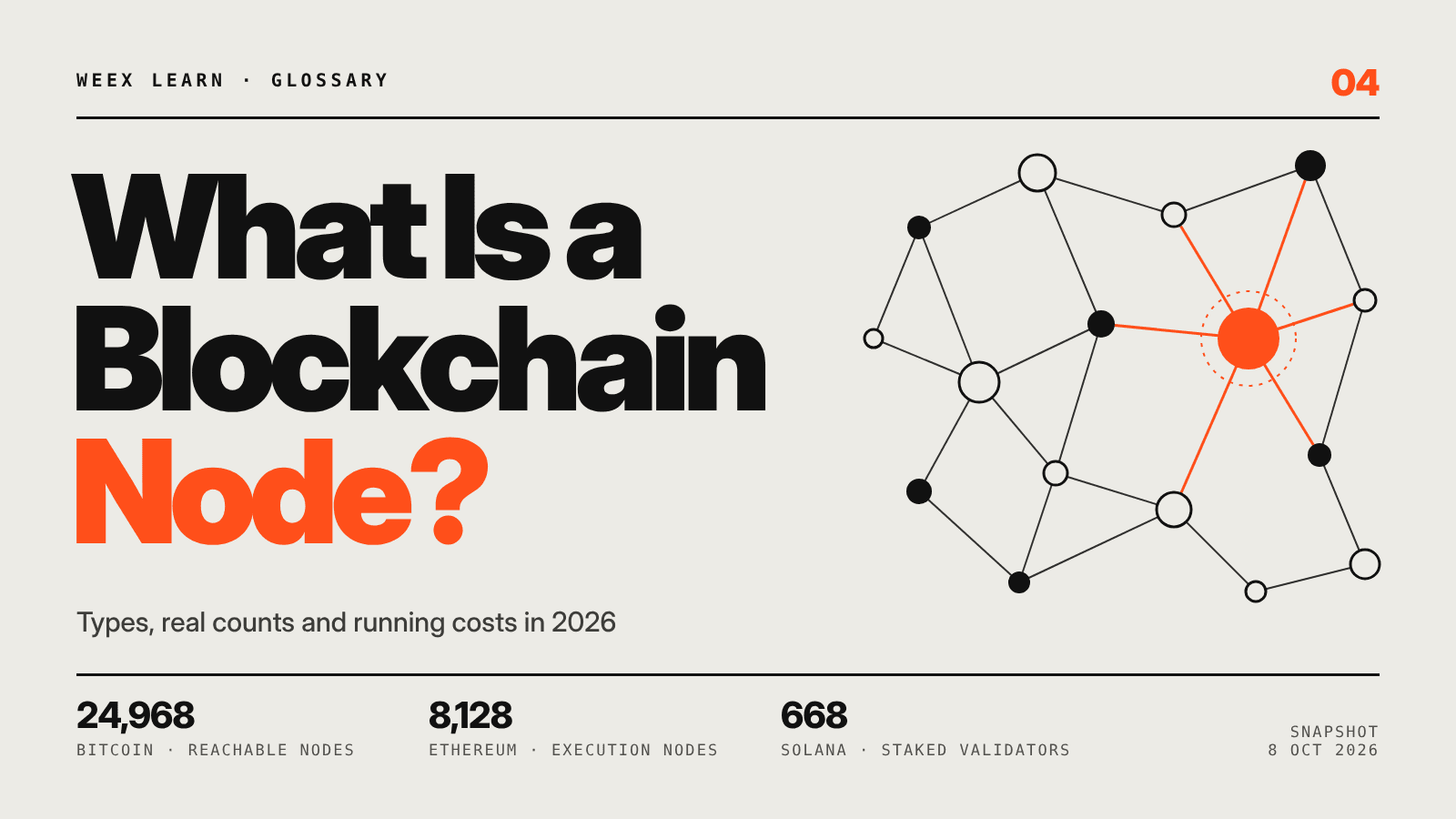
What Is a Blockchain Node? Types, 2026 Counts, and Real Costs
How to Buy New Crypto Before Listing: 5 Routes and Their Traps

What Is Staking? 4 Myths to Clear Up Before You Stake Crypto
TSMC Stock Outlook Ahead of Q3 Earnings: Can AI Demand Push Shares Higher?
Taiwan Stock Market Nears 50,000: Can the TAIEX Break the Milestone After the Holiday?
How to Buy USDT in Thailand: Payment Methods, Fees and Transfer Checks

What Is RLC Crypto? How iExec (RLC) Powers Confidential Computing
What Is Blockchain Interoperability? How Cross-Chain Bridges and Messaging Work
How to Buy Crypto With a Prepaid Card: Step-by-Step Guide

What Is WEEX Fast Connect? How OAuth Connects Third-Party Trading Platforms
XST Coin Explained: Two Tokens Share One Ticker, Check Which One
Where Is XST Actually Trading Now? A Look at Volume Distribution After the Crash
XST Coin Liquidity Risk: What Low DEX Depth Actually Means for Buyers Who Want to Exit
XST Coin Price Prediction: What Happens to AI Narrative Tokens After the Initial Hype Fades
What Is XST Coin and Should You Buy It? A No-Nonsense Guide for Crypto Investors
XST Coin vs Akash Network: How Two AI Infrastructure Tokens Compare
Contents
Popular coins
Latest articles


