
Coincheck FLR DAI Delisting Dates and Holder Checklist

 Prefer us on Google


Coincheck announced on 28 September 2026 that it is discontinuing FLR and DAI, with external transfers ending at 14:00 JST on 2 November 2026. FLR is already unavailable for buying and selling in both the Coincheck Sales service (販売所) and the Coincheck Exchange (取引所), and DAI trading on the Exchange ends earlier, at 14:00 JST on 26 October 2026. Balances left after the deadline are sold and converted into yen from 3 November 2026.
FLR and DAI stop at different times
As of the notice date, 28 September 2026, FLR is not offered for buying or selling in either the Sales service or the Exchange, and it is not available through Coincheck Lending or as a settlement asset in Coincheck NFT. DAI is not offered in the Sales service either. Before the deadlines a holder can still sell DAI on the Exchange or send FLR or DAI out externally; for FLR, an external transfer is the only remaining option (Coincheck notice on the discontinuation of Flare (FLR) and Dai (DAI) services, published 28 September 2026).
| Asset | Status as of 28 September 2026 | Exchange trading ends | Incoming deposits end | External transfers end |
|---|---|---|---|---|
| FLR (Flare) | Not offered for buying or selling in the Sales service or the Exchange | Already unavailable when the notice was published | No date given in the notice | 14:00 JST, 2 November 2026 |
| DAI (Dai) | Not offered in the Sales service | 14:00 JST, 26 October 2026 | 14:00 JST, 26 October 2026 | 14:00 JST, 2 November 2026 |
All times here are presented as Japan time; the notice gives times without a timezone, and Coincheck operates on Japan time. The planned discontinuation date is 2 November 2026, and Coincheck says the schedule may change, with any change announced through its official X account (@CoincheckStatus). The notice also states that DAI arriving after 14:00 on 26 October 2026 cannot be credited to an account (Coincheck notice on the discontinuation of Flare (FLR) and Dai (DAI) services, published 28 September 2026).
The notice lists no incoming deposit cutoff for FLR. FLR can no longer be bought or sold on Coincheck, so an external transfer is the only way to move a remaining balance before the transfer deadline (same notice, published 28 September 2026).
What happens to balances left after the deadline?
A balance does not simply disappear on 2 November 2026. From 3 November 2026 Coincheck will sell any remaining FLR or DAI at a time and by a method it considers appropriate and reflect the proceeds as yen in the account. Coincheck expects the yen to be reflected in mid-November 2026, and says the timing may shift with market liquidity. During the sale, the asset quantity may display as zero and the history may show a negative record (Coincheck notice on the discontinuation of Flare (FLR) and Dai (DAI) services, published 28 September 2026).
Receiving that yen depends on keeping the account open. The notice states that if you close your Coincheck account before the yen is reflected — including while closure is still pending — you will not receive the converted yen (same notice, published 28 September 2026).
There is one exception. If Coincheck judges that selling an asset is difficult, it will hold the asset and respond to a holder's return claim by sending it to the address specified. The period for making such a claim is five years from the discontinuation date, and after those five years Coincheck says it may be unable to return the asset even if asked (same notice, published 28 September 2026).
Registering a destination address has a waiting period
For security reasons, Coincheck says a newly registered destination address cannot be used for transfers until a certain period has passed. The notice does not state how long that period is. Registering an address immediately before the deadline risks a transfer not completing before 14:00 JST on 2 November 2026. Register the destination address and complete the transfer well before the deadline (Coincheck notice on the discontinuation of Flare (FLR) and Dai (DAI) services, published 28 September 2026).
If the destination is a crypto-asset exchange service provider in Japan, the service must appear in the “Service name” list on Coincheck's transfer screen; if it is absent, it cannot be specified as a recipient. The notice lists other providers handling FLR and DAI as of 25 September 2026, but also says that, depending on Travel Rule compatibility, a transfer from Coincheck may be unavailable even when another provider appears in that list (same notice, published 28 September 2026).
The registration of a provider in Japan can be checked in the Financial Services Agency's "List of Registered Crypto-asset Exchange Service Providers in Japan" (1 September 2026, FSA register of crypto-asset exchange service providers). Registration is what is required to operate a crypto-asset exchange business in Japan; it does not establish that a provider supports FLR or DAI, a particular network, or that a transfer will complete. WEEX does not appear in that register (as of 1 September 2026). For a private wallet (self-custody wallet), check the supported network and address format in Coincheck's official guidance.
-- Price
Selling DAI before the deadline: order-book risk
Because DAI is not offered in the Sales service, selling it on Coincheck means using the Exchange order book. The notice says a market order can execute at an unexpected price depending on the state of the order book, and it names limit orders and moving to another crypto-asset exchange provider as options — neither of which guarantees that an order fills or that a transfer completes (Coincheck notice on the discontinuation of Flare (FLR) and Dai (DAI) services, published 28 September 2026).
A checklist counted back from the deadlines
The dates below come from the notice. All times are Japan Standard Time.
| Deadline | What to do |
|---|---|
| 28 September 2026 (notice date) | Read the notice on Coincheck's official site and establish where your FLR or DAI is held: Sales service, Exchange, Coincheck Lending or Coincheck NFT |
| 13:00 JST, 26 October 2026 | Existing DAI-denominated listings and offers on Coincheck NFT are cancelled at this point |
| 14:00 JST, 26 October 2026 | DAI cutoffs: Exchange trading, use in Coincheck NFT, new Coincheck Lending applications, and lending and repayment all stop; DAI in a Lending account is moved to the trading account the same day (planned) |
| 14:00 JST, 2 November 2026 | External transfers of FLR and DAI end. A newly registered destination address has a waiting period, so register it early |
| From 3 November 2026 | Coincheck sells the remaining balance and converts it into yen (reflection expected in mid-November) |
| Until the yen is reflected | Do not close the account; closing before reflection means not receiving the converted yen |
If you hold DAI in Coincheck Lending, the notice says the DAI remaining on the lending stop date (14:00 JST, 26 October 2026) is moved to the trading account the same day, and must then be sent externally before 14:00 JST on 2 November 2026 (same notice, published 28 September 2026).
Beware messages that borrow this announcement
Unsolicited messages about exchange service changes arrive by email, SMS or social media. Do not open links in a message you did not expect; open the notice or announcement directly in Coincheck's official app or on its official site. Never disclose your password, one-time code, recovery phrase or private key — including to anyone contacting you as Coincheck. Use only the contact points listed in Coincheck's official guidance.
Frequently asked questions
Do the assets disappear on 2 November?
No. Coincheck sells them and converts the proceeds into yen, at a time and by a method it considers appropriate; the yen is expected to be reflected in mid-November 2026, and the timing may shift with market liquidity. If Coincheck judges that selling is difficult, it holds the asset and responds to return claims for five years from the discontinuation date (Coincheck notice, published 28 September 2026).
What if DAI arrives after 26 October?
The notice states that DAI credited to Coincheck after 14:00 JST on 26 October 2026 cannot be reflected in the account, so confirm that a deposit has arrived before that time (same notice, published 28 September 2026).
What if I have not chosen a destination yet?
The notice names other crypto-asset exchange providers and a private wallet (self-custody wallet) as options. For a provider in Japan, check registration in the FSA list and then check whether that provider supports FLR or DAI and the transfer network in its own guidance. Registration does not guarantee asset support or that a transfer completes (FSA register, 1 September 2026).
Why are the two assets being discontinued?
The notice cites falling market liquidity, and for DAI also declining continuity of the issuer's project. It names no specific law or individual regulatory action as the reason (same notice, published 28 September 2026).
Primary sources
- Coincheck notice on the discontinuation of Flare (FLR) and Dai (DAI) services (published 28 September 2026)
- Financial Services Agency, "List of Registered Crypto-asset Exchange Service Providers in Japan" (1 September 2026)
This article is general information about a change to an exchange's services and is not investment, legal or tax advice. Check dates, times and steps in Coincheck's own announcements.
Published: 28 September 2026 · Published by WEEX · WEEX editorial standards
This content is provided for general informational purposes only and doesn't constitute financial, investment, legal, or tax advice. Any events, rewards, online promotions, or related information mentioned herein should not be considered a recommendation, solicitation, or invitation to purchase, sell, trade, or otherwise deal in any crypto assets. Crypto assets are highly volatile and may result in loss. The availability of WEEX services, products, and related events may vary by region. You are responsible for ensuring that your participation is in accordance with applicable local laws and regulations.
You may also like
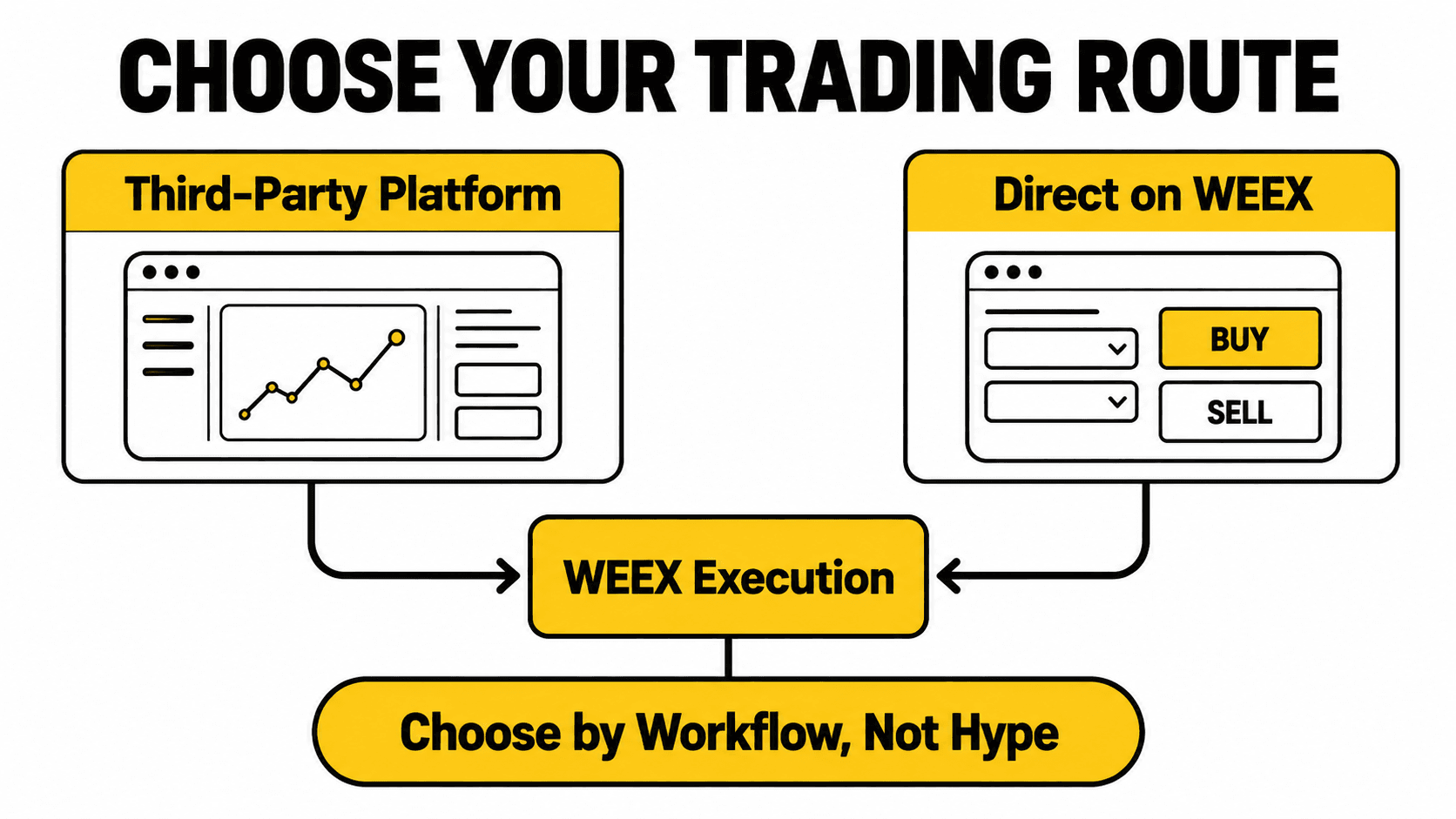
Third-Party Trading Platforms vs Direct WEEX Trading: Fees, Liquidity, Security, and Control
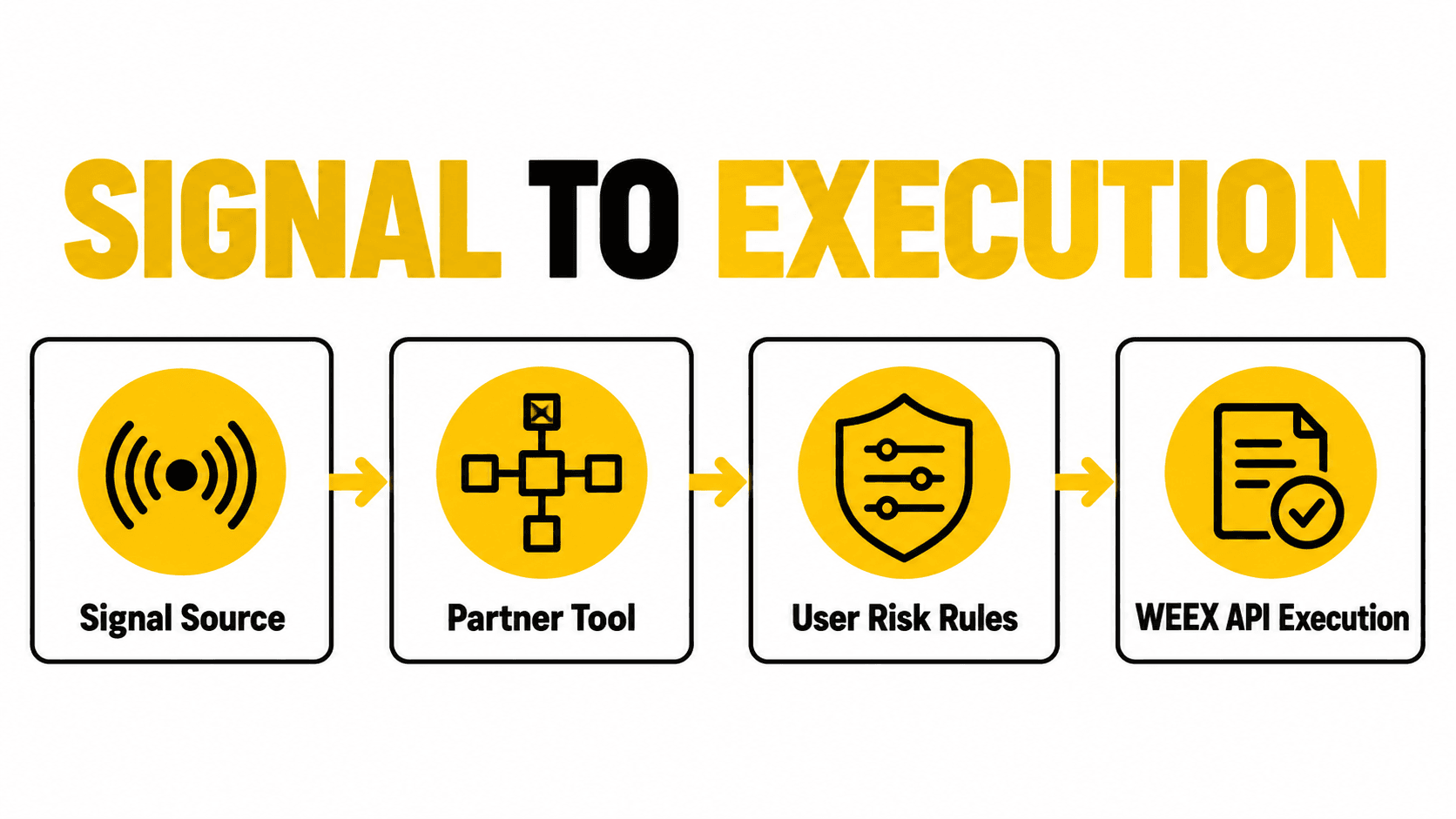
How Copy Trading, Signal, and Telegram Trading Tools Can Build With WEEX Broker
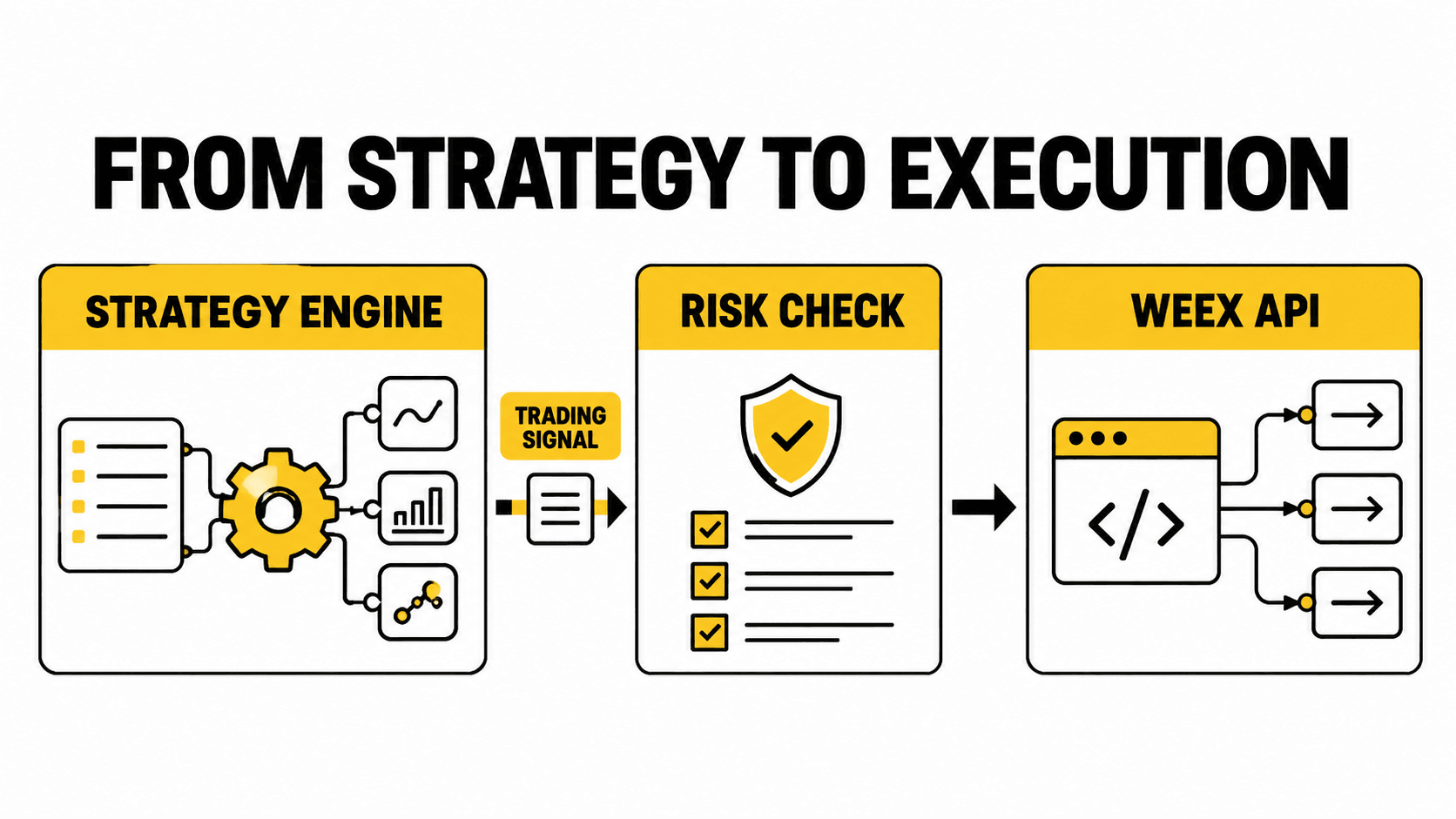
How Quant Trading Platforms and Bots Can Build With WEEX Broker
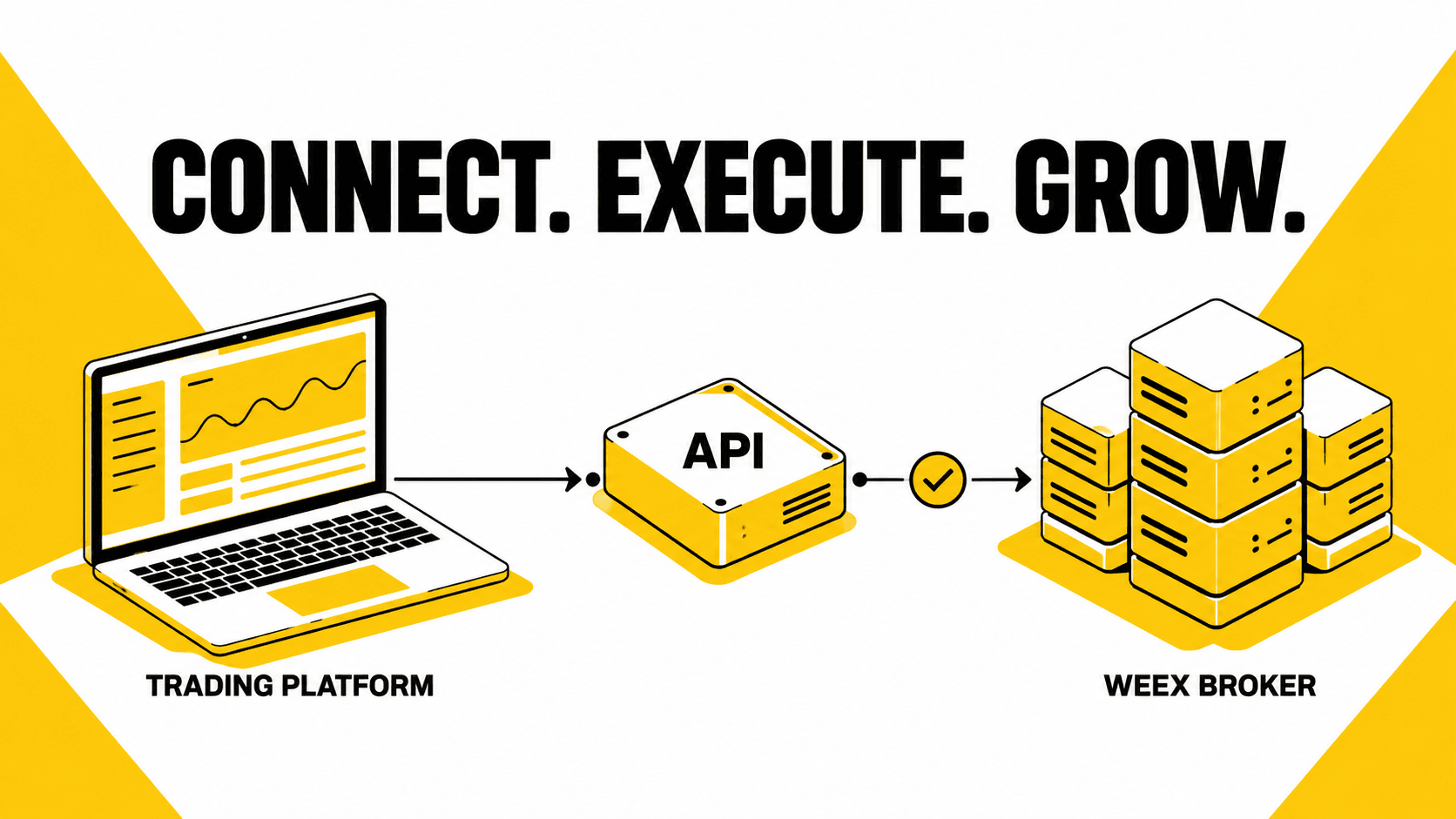
How Trading Platforms and Terminals Can Connect to WEEX Broker

How to Use an APR Boost on WEEX Auto Earn Without Wasting It
How to Buy Presale Crypto: Step by Step Guide for Beginners
Ethereum Glamsterdam Hits 200M Gas on Sepolia: What Changes After the Upgrade?
ENA Token Price Drops After October 5 Unlock: What Happened to Ethena?
How to Day Trade Crypto for Beginners: Do the Fee Math First
Anonymous Crypto Wallet: What Each One Hides and Where It Fails
What Is Blockchain and How Does It Work? One Real Payment Traced
What Is a Blockchain Node? Types, 2026 Counts, and Real Costs
How to Buy New Crypto Before Listing: 5 Routes and Their Traps
What Is Staking? 4 Myths to Clear Up Before You Stake Crypto
TSMC Stock Outlook Ahead of Q3 Earnings: Can AI Demand Push Shares Higher?
Taiwan Stock Market Nears 50,000: Can the TAIEX Break the Milestone After the Holiday?
How to Buy USDT in Thailand: Payment Methods, Fees and Transfer Checks
What Is RLC Crypto? How iExec (RLC) Powers Confidential Computing
What Is Blockchain Interoperability? How Cross-Chain Bridges and Messaging Work
How to Buy Crypto With a Prepaid Card: Step-by-Step Guide

What Is WEEX Fast Connect? How OAuth Connects Third-Party Trading Platforms
How Do WEEX Broker Commissions Work? Direct vs Indirect Commission Explained
Best Crypto Trading Strategies for Beginners: What to Know Before You Trade
WEEX API for Quantitative Trading: Use Cases, Market Data and Automated Trading
WEEX API Documentation: How to Get Started With the WEEX Trading API
What Is WEEX API? Features, Trading Tools and How It Works
WEEX Auto Earn vs Staking: Flexibility, APR, and Lock Terms
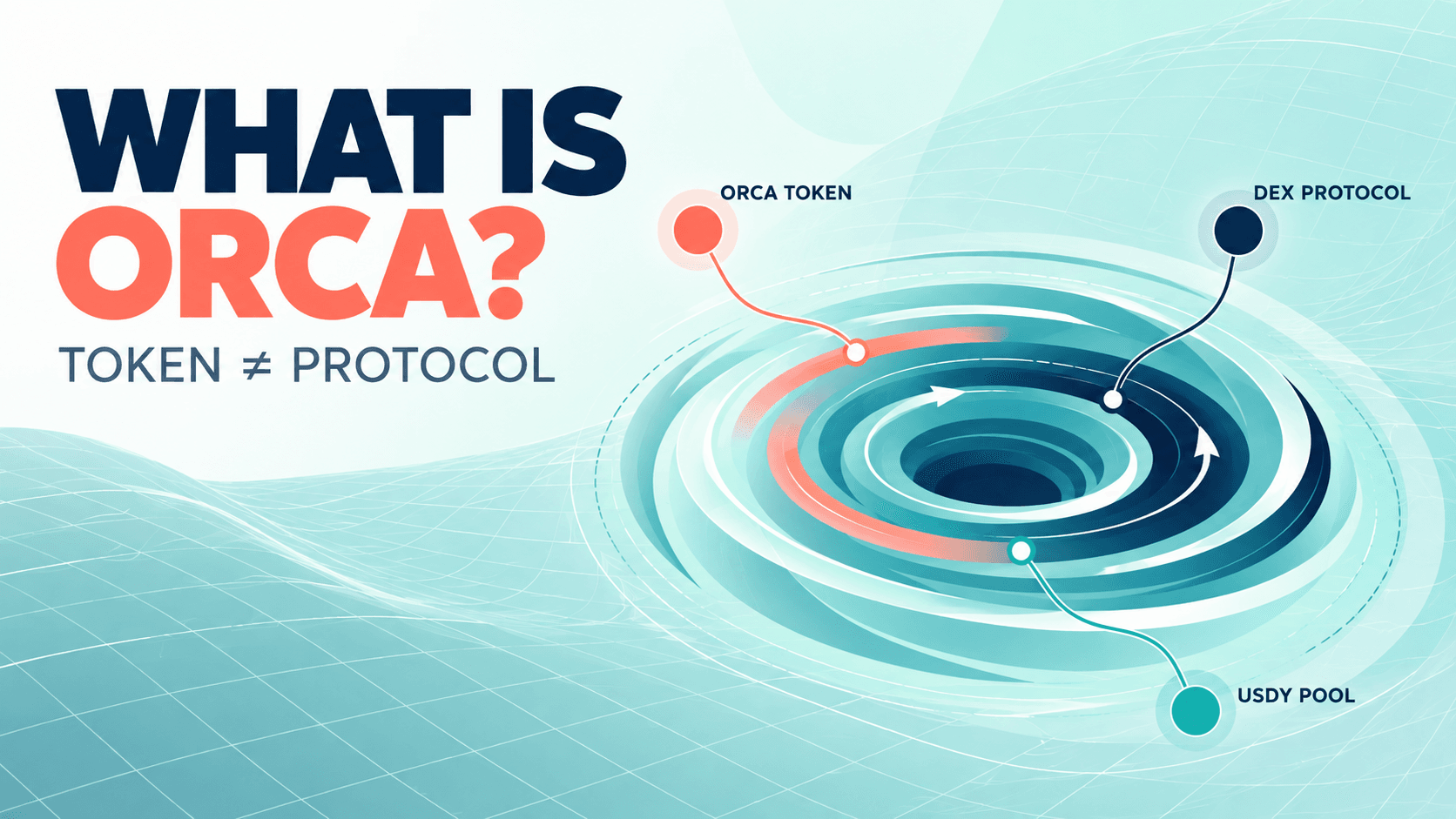
What Is Orca (ORCA) Crypto? The Solana DEX, USDY Liquidity, and the ORCA Name Confusion

What Is Artificial Superintelligence Alliance (FET) Crypto? The ASI Token, Migration Status, and Real-World Demand Test
WEEX TOKEN2049 Day 1 Live Preview: Booth, MBTI and AI Demo
Third-Party Trading Platforms vs Direct WEEX Trading: Fees, Liquidity, Security, and Control
How Copy Trading, Signal, and Telegram Trading Tools Can Build With WEEX Broker
How Quant Trading Platforms and Bots Can Build With WEEX Broker
How Trading Platforms and Terminals Can Connect to WEEX Broker
How to Use an APR Boost on WEEX Auto Earn Without Wasting It
How to Buy Presale Crypto: Step by Step Guide for Beginners





